
Recognizing signs of sleep apnea in daily fatigue is the first step toward better health and well-being. Imagine constantly feeling tired, despite getting enough hours of sleep, or struggling to concentrate at work or school. This persistent tiredness could be a sign of sleep apnea, a common sleep disorder that affects millions worldwide. This article explores the link between sleep apnea and daily fatigue, providing insights into the various symptoms, potential causes, and practical solutions to address the problem. We will delve into the common and less common signs of sleep apnea related to fatigue, and discuss the steps you can take to identify and address the issue effectively. We’ll cover diagnostic tools, treatment options, and ultimately, how to take control of your sleep and energy levels.
Understanding the Connection Between Sleep Apnea and Fatigue
What is Sleep Apnea?
Sleep apnea is a sleep disorder characterized by pauses in breathing during sleep. These pauses, often lasting for seconds or minutes, can disrupt the natural sleep cycle, depriving the body of essential oxygen. While sleep apnea can manifest in various ways, one of the most common symptoms is excessive daytime sleepiness. This persistent tiredness, regardless of how many hours you sleep, is frequently linked to the fragmented and low-quality sleep caused by sleep apnea episodes.
The Impact of Sleep Apnea on Daily Life
Related Post : Underlying Causes Disrupting Peaceful Night Breathing
Chronic sleep deprivation from sleep apnea can have a significant impact on daily life. Individuals experiencing sleep apnea often report difficulty concentrating, memory problems, and decreased productivity at work or school. Mood swings and irritability are also common, often leading to strained relationships and decreased quality of life. Sleep apnea sufferers may also experience reduced cognitive function and impaired decision-making ability, impacting various aspects of daily life, including work, personal relationships, and even driving.
The Role of Fatigue in Diagnosing Sleep Apnea
Persistent fatigue, often a hallmark of sleep apnea, is often the first noticeable symptom. While fatigue can stem from various factors, significant, unexplainable fatigue should prompt further investigation. The persistent tiredness associated with sleep apnea goes beyond simple tiredness; it often leads to significant functional impairment and reduces quality of life. Many people dismiss chronic fatigue as a normal part of life, overlooking the potential underlying issue of sleep apnea.
Recognizing Common Symptoms of Sleep Apnea
Frequent Snoring and Gasping for Air
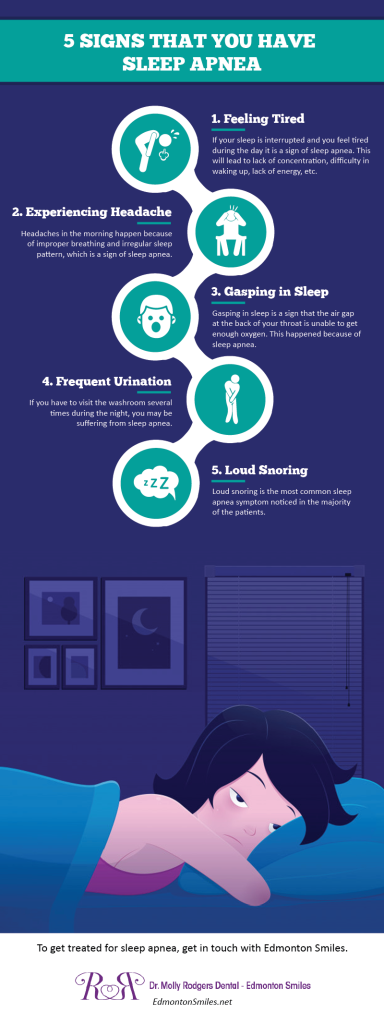
One of the most prevalent signs of sleep apnea is loud snoring. Snoring, in itself, isn’t necessarily a cause for alarm, but frequent snoring accompanied by pauses in breathing (apneas) may indicate an underlying sleep apnea condition. In addition to snoring, individuals with sleep apnea may also experience gasping or choking sounds during sleep. These sounds are a clear indication that the airways are intermittently obstructed during sleep, disrupting restful sleep patterns and ultimately causing fatigue.
Excessive Daytime Sleepiness
Experiencing excessive sleepiness during the day, despite a full night’s sleep, is a common symptom. This persistent fatigue makes everyday tasks challenging, hindering cognitive function and daily activities. If you consistently feel tired, even after sleeping for eight hours, this may be a warning sign of an underlying sleep issue requiring investigation.
Frequent Headaches and Morning Fatigue
Frequent headaches, particularly upon waking up, can be a sign of sleep apnea. The interrupted breathing patterns during sleep can lead to decreased blood oxygen levels, resulting in a cascade of effects, including headaches, and persistent fatigue upon waking. If you experience these headaches regularly, especially accompanied by morning fatigue, consulting a doctor is recommended to determine the root cause.
Identifying Potential Causes and Risk Factors
Obesity and Weight Gain
Obesity is a significant risk factor for sleep apnea. Excess weight, especially around the neck area, can narrow the airways, making it more difficult for air to pass freely during sleep. Studies have shown a strong correlation between obesity and sleep apnea, underscoring the importance of maintaining a healthy weight to reduce sleep apnea risk.
Age and Gender
Age and gender can also play a role. While sleep apnea can affect people of all ages, it’s more prevalent in middle-aged adults and men than women. Factors such as hormonal changes and age-related anatomical changes can contribute to the development of sleep apnea.
Medical Conditions and Medications
Certain medical conditions and medications can increase the risk of sleep apnea. Conditions like nasal congestion, enlarged tonsils or adenoids, and certain cardiovascular issues can contribute to airway obstruction during sleep. Additionally, some medications can have a sedative effect, potentially worsening sleep apnea symptoms.
Diagnosing Sleep Apnea and Seeking Treatment
Sleep Studies and Evaluations
Accurate diagnosis of sleep apnea requires a comprehensive sleep study or evaluation. These studies, conducted in a sleep laboratory, monitor breathing patterns, heart rate, and brain activity throughout the night to assess the presence and severity of sleep apnea episodes. The results of these studies will help to identify the specific type and severity of sleep apnea and help medical professionals to develop personalized treatment plans.
Treatment Options
Treatment options for sleep apnea vary based on the individual’s specific condition. Lifestyle modifications, such as weight loss and regular exercise, can help improve symptoms in many cases. In other cases, CPAP (Continuous Positive Airway Pressure) therapy may be prescribed to maintain an open airway during sleep. Surgical interventions, such as uvulopalatopharyngoplasty (UPPP), may be considered in some cases.
The Importance of Professional Guidance
Addressing sleep apnea requires professional guidance. A medical expert can accurately diagnose the condition and recommend appropriate treatment options. Seeking medical advice is crucial to ensure a personalized treatment plan that addresses the specific needs and circumstances of each individual.
Managing and Preventing Future Fatigue
Lifestyle Changes
Adopting healthy lifestyle habits can significantly contribute to managing sleep apnea and associated fatigue. Weight management through balanced nutrition and regular exercise is crucial. Avoiding alcohol and sedatives before bed, and ensuring a consistent sleep schedule, can also help improve sleep quality.
Maintaining a Healthy Diet
A balanced and nutritious diet plays a key role in promoting overall health, including sleep quality. Focusing on whole foods, lean protein, and plenty of fruits and vegetables can contribute to better sleep and reduced fatigue. Avoiding processed foods, sugary drinks, and excessive caffeine can also improve sleep quality.
Regular Exercise
Incorporating regular exercise into your routine can positively impact sleep quality. Physical activity promotes better sleep and improves overall well-being. However, exercising too close to bedtime may hinder sleep onset. Timing your workouts effectively can contribute to managing sleep apnea-related fatigue.
Seeking Support and Resources
Joining Support Groups
Support groups provide valuable resources and an understanding community. Connecting with others who are experiencing similar challenges related to sleep apnea can offer encouragement, shared experiences, and insights for coping with the condition. This support can alleviate feelings of isolation and foster a sense of community.
Educational Materials and Web Resources
Numerous educational materials and websites offer valuable information about sleep apnea and its associated symptoms. These resources can increase awareness, provide details about treatments, and share useful coping mechanisms.
Seeking Expert Advice
Consultations with sleep specialists and doctors specializing in sleep disorders offer critical insights and support for individuals experiencing symptoms of sleep apnea. These experts can recommend appropriate tests, provide detailed diagnoses, and design personalized treatment plans tailored to an individual’s needs.
The Impact on Your Overall Health
Cardiovascular Risks
Untreated sleep apnea is a significant risk factor for developing cardiovascular issues. The constant disruption of breathing patterns during sleep leads to fluctuating blood oxygen levels, placing stress on the heart and blood vessels. This can increase the risk of high blood pressure, stroke, and heart disease.
Cognitive Impairment
The consistent sleep deprivation caused by sleep apnea can negatively impact cognitive function. Individuals may experience decreased alertness, memory problems, and difficulty concentrating. This cognitive impairment can interfere with daily activities and overall productivity.
Mental Health Issues
Sleep apnea can contribute to or worsen mental health issues like anxiety and depression. The chronic fatigue and sleep deprivation associated with sleep apnea can disrupt mood regulation and increase susceptibility to mental health conditions.
Exploring Potential Treatments and Solutions
CPAP Therapy
Continuous Positive Airway Pressure (CPAP) therapy is a common treatment for sleep apnea. A CPAP machine delivers a constant flow of air pressure through a mask worn during sleep, keeping the airways open and preventing breathing interruptions. This therapy can significantly improve sleep quality and reduce fatigue.
Oral Appliances
Oral appliances are custom-fitted devices worn at night to reposition the lower jaw and tongue, creating more space for the airway. These appliances can effectively manage mild to moderate sleep apnea cases.
Lifestyle Modifications
Changes in lifestyle, such as weight management, regular exercise, and avoiding alcohol and sedatives before bed, can play a crucial role in managing sleep apnea and associated fatigue. These lifestyle changes can have a positive impact on overall health and sleep quality.
The Importance of Early Diagnosis
Long-Term Implications
Left untreated, sleep apnea can have serious long-term health consequences. Chronic fatigue, cardiovascular problems, and cognitive impairments can negatively impact daily life. Early diagnosis is crucial for preventing these issues.
Early Intervention Strategies
Implementing early intervention strategies allows for prompt treatment and better management of sleep apnea. This can significantly improve sleep quality, reduce fatigue, and potentially prevent long-term health complications.
Importance of a Supportive Network
Building a supportive network with family, friends, and healthcare professionals can provide crucial encouragement and guidance throughout the sleep apnea management journey. This supportive network can provide emotional and practical support, promoting a positive and productive approach to treatment and overall well-being. It may include seeking counseling or support groups as needed, to manage the emotional aspect of sleep apnea and its impact on daily life. Enlisting support from friends and family is key to navigating the various aspects of managing this condition effectively. Creating a safe and empathetic network surrounding the individual can reduce feelings of isolation and encourage compliance with a treatment plan. This shared journey and mutual support can improve treatment outcomes and overall well-being while living with sleep apnea.
In conclusion, recognizing signs of sleep apnea in daily fatigue is crucial for early intervention and improved health. By understanding the symptoms, seeking professional medical advice, and exploring potential solutions, individuals can address this potentially serious condition effectively. Don’t let fatigue control your life. Schedule a consultation with your doctor today to discuss your concerns about sleep apnea and find the best course of action for your needs.