
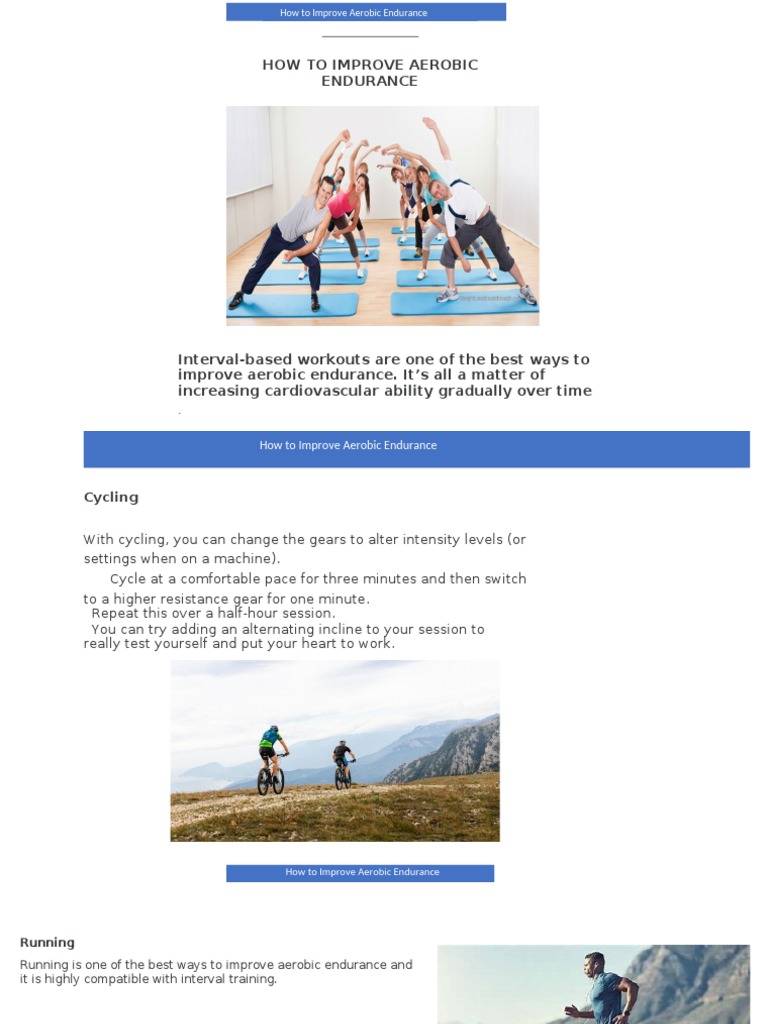
Exercise routines play a crucial function in boosting calorie burn and enhancing endurance. Whether you’re aiming to shed extra pounds, improve athletic performance, or simply maintain a healthy lifestyle, the right exercise routine can make a world of difference. This thorough guide explores various exercise routines and their impact on calorie expenditure and endurance building. We will delve into the science behind effective routines, offer practical examples, and outline a personalized approach to maximizing your outcomes. The structure of this article will be as follows: a detailed description of the science behind varied exercise routines, practical examples to illustrate specific workout routines, and personalized strategies for effective execution of the program.
Understanding the Science of Effective Exercise Routines
Metabolic Rate and Calorie Burning:
Effective exercise routines are designed to elevate your metabolic rate, which is the rate at which your body burns calories to function. High-intensity workouts, such as interval training, and strength training routines contribute significantly to this heightened metabolic rate even after the workout is finished. This is often referred to as the afterburn effect or EPOC (excess post-exercise oxygen consumption). Studies have shown that regular strength training routines can boost your resting metabolic rate, meaning you burn more calories even when you’re not exercising. This sustained elevated metabolic state is crucial for long-term weight management and improved endurance.
Types of Exercise and Their Impact:
Various types of exercise routines target varied energy systems and muscle groups. Cardio exercises like running, swimming, and cycling primarily rely on aerobic metabolism, burning calories and improving cardiovascular health. Strength training, on the other hand, targets specific muscle groups to boost strength, power, and endurance. A balanced approach that combines cardio and strength training routines is often more beneficial for overall health and fitness objectives, maximizing calorie burn and muscle development.
Variables Influencing Calorie Burn:
Several factors influence the number of calories burned during exercise. These include exercise intensity, duration, and individual factors such as age, sex, and weight. A personalized exercise routine that takes these factors into account is vital for optimal outcomes. For instance, a 150-pound individual will burn fewer calories during a 30-minute jog than a 200-pound individual. Likewise, sprinting will burn more calories in the same time frame than jogging.
Creating Personalized Exercise Routines
Assessing Your Fitness Level and objectives:
Before starting any new exercise routine, it’s essential to assess your current fitness level and establish clear fitness objectives. This assessment helps create a routine that is both challenging and sustainable. Are you a complete beginner, or do you already have a consistent workout schedule? A beginner routine needs to focus on building a foundation of strength and endurance gradually, whereas experienced individuals may have more options, such as increasing weights or intensity for maximum impact.
Incorporating Cardio and Strength Training
Balancing Cardio and Strength Training:
Combining cardio and strength training exercises is a winning plan. Cardiovascular exercise, such as jogging or cycling, is essential for improving endurance and cardiovascular health. Strength training helps build muscle, which boosts your resting metabolic rate. A balanced routine can outcome in improved overall fitness and weight management, as well as improved mood. The inclusion of exercises that work varied muscle groups ensures a complete body workout.
Sample Workout Routines:
Here are some sample workout routines, focusing on both cardio and strength training to offer a foundation:
- Day 1: Cardio Focus – 30-minute moderate-intensity cardio, such as brisk walking or jogging, followed by 20 minutes of stretching.
- Day 2: Strength Training Focus – Perform 3 sets of 10-12 repetitions for each exercise, focusing on major muscle groups. Consider exercises like squats, lunges, push-ups, and rows. A qualified trainer can help in tailoring the routine.
Maintaining Consistency and Motivation
Importance of Consistency:
Consistency is key to seeing outcomes from any exercise routine. Consistency helps build sustainable habits, which are crucial for long-term achievement. Consistency in exercise routines contributes to building a healthy lifestyle. Try to schedule your workouts in a way that seamlessly fits into your daily schedule.
Tips for Motivation:
Staying motivated during your workout journey is crucial. Find an exercise buddy for support, track your progress, and reward yourself for milestones achieved. Rewarding yourself helps to keep the momentum going. A workout buddy can offer motivation and support, while tracking progress allows you to visually see your achievements and stay motivated.
Related Post : Sustainable Habits Encouraging Long-Term Fat Reduction
Additional Considerations
Nutrition and Recovery:
Exercise routines are most effective when paired with a healthy diet and sufficient recovery. Adequate nutrition offers the necessary fuel for your workouts, while sufficient sleep and rest allow your body to recover and repair. This balance will have the most impact on your body. Prioritize protein-rich meals to support muscle repair and growth. Focus on whole foods and limit processed foods and sugary drinks to support optimal performance.
Importance of Listening to Your Body
Recognizing Your Physical Limits:
It’s crucial to listen to your body and understand its signals. Rest and recovery are just as crucial as exercise. Recognize signs of overexertion, such as pain or excessive fatigue. Pushing your body too hard can lead to injuries and setbacks, so it is vital to listen to your body and give it the time it needs to recover.
Adjusting Your Routine:
Adjust your routine as needed. If you’re experiencing pain, modify or adjust exercises to avoid further injury. As you progress and gain strength and endurance, your routine needs to adjust along with you. Don’t be afraid to modify exercises to accommodate your individual needs. Seek professional guidance as needed.
Conclusion:
FAQ
In summary, incorporating effective exercise routines is key to maximizing calorie burn and boosting endurance. By understanding your body’s needs and tailoring workouts to your objectives, you can achieve significant outcomes. Remember to listen to your body, stay consistent, and adjust your plan as needed. Ready to discover your personalized workout plan for optimal calorie burning and endurance building? Visit our website to explore complimentary workout resources and expert guidance. We’re here to support your journey!