
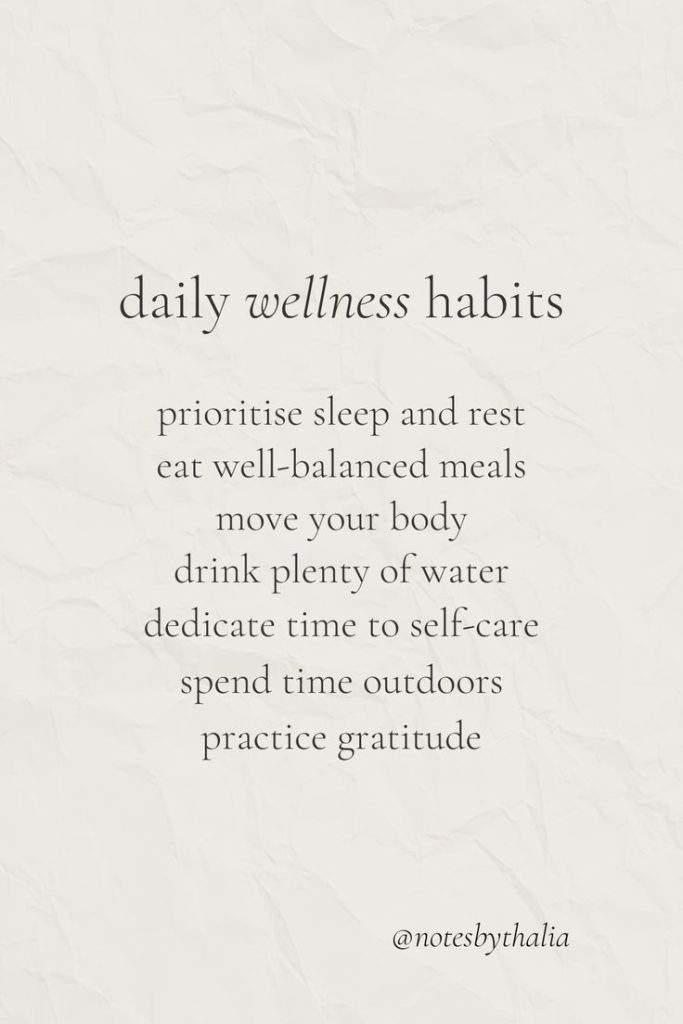
Daily habits are the building blocks of long-term wellness and vitality. Imagine waking up each morning feeling refreshed and energized, ready to tackle the day with focus and enthusiasm. This isn’t a fantasy, it’s a reality achievable through conscious, healthy daily habits. Many people struggle with maintaining consistent, positive habits, often due to time constraints, stress, or a lack of clear strategies. This article explores actionable daily habits that contribute to long-term wellness and vitality, providing concrete strategies and actionable steps you can implement in your daily life. We will explore nutrition, movement, mindfulness, and social connection. Let’s dive in!
Nourishing Your Body: Fueling Long-Term Wellness
Prioritizing a Balanced Diet
Maintaining a balanced diet is crucial for long-term wellness. What you eat directly impacts your energy levels, mood, and overall health. Studies show that a diet rich in fruits, vegetables, whole grains, and lean proteins can significantly improve physical and mental health. A balanced approach to nutrition goes beyond simply consuming healthy foods; it also involves portion control and mindful eating.
The Importance of Hydration
Proper hydration is essential for every bodily function. Water helps regulate body temperature, transport nutrients, and eliminate waste products. Dehydration can lead to fatigue, headaches, and decreased cognitive function. Aim to drink plenty of water throughout the day, and listen to your body’s thirst cues.
Healthy Snacking Habits
Snacking can be a crucial part of maintaining consistent energy levels throughout the day. Unhealthy snacking habits, however, can lead to weight gain and nutritional deficiencies. Instead of reaching for processed snacks, opt for healthy alternatives like fruits, vegetables with hummus, or a handful of nuts. Conscious snacking choices contribute to balanced energy levels and a healthier body composition.
Moving Your Body: Physical Activity for Wellness
Incorporating Regular Exercise
Regular physical activity is a cornerstone of maintaining physical health. Engaging in regular exercise is not just about physical appearance but also a vital component of mental health. Numerous studies have demonstrated the positive correlation between exercise and stress reduction and improved mood.
Choosing Activities You Enjoy
Finding physical activities you enjoy is key to maintaining consistency. Whether it’s brisk walking, dancing, swimming, or team sports, the key is to find something you find enjoyable. This boosts the likelihood that you will consistently incorporate this habit into your routine.
The Impact of Exercise on Mental Well-being
Physical activity has a profound impact on mental well-being. Exercise releases endorphins, which have mood-boosting effects. Furthermore, exercise can help improve sleep quality, reduce stress, and enhance cognitive function.
Cultivating Mindfulness: Mental Wellness Through Awareness
Practicing Meditation and Mindfulness
Incorporating mindfulness practices into your daily routine can significantly improve mental clarity and emotional regulation. Meditation and mindfulness exercises help in focusing your attention on the present moment, reducing stress and promoting emotional well-being. Even short mindfulness exercises can have a notable positive impact.
Reducing Stress and Anxiety
Chronic stress can severely impact physical and mental well-being. Effective stress management involves determineing stressors and developing coping mechanisms. Regular mindfulness practice helps individuals develop emotional regulation strategies that reduce stress.
Prioritizing Self-Care
Self-care is a crucial component of daily habits. It encompasses activities that nurture and rejuvenate your mind and body. Engaging in activities like taking baths, reading, pursuing hobbies, or spending time in nature can promote mental well-being and reduce stress.
Prioritizing Sleep Hygiene: The Importance of Rest
Establishing a Consistent Sleep Schedule
A consistent sleep schedule is essential for optimal physical and mental health. Going to bed and waking up around the same time every day, even on weekends, regulates your body’s natural sleep-wake cycle. This promotes better sleep quality and consistent energy levels.
Creating a Relaxing Bedtime Routine
Establish a relaxing bedtime routine to signal to your body that it’s time to sleep. Activities such as taking a warm bath, reading a book, or practicing gentle stretching can promote relaxation and prepare your body for sleep.
Optimizing Your Sleep Environment
Creating a conducive sleep environment is crucial for sound sleep. Make sure your bedroom is dark, quiet, and cool. Minimize exposure to electronic devices before bed to avoid disrupting your sleep-wake cycle.
Fostering Connections: The Power of Social Interaction
Building Strong Relationships
Social connections are vital for both physical and mental well-being. Maintaining strong relationships with family, friends, and community members offers emotional support and reduces feelings of loneliness and isolation.
Engaging in Meaningful Activities
Engage in activities that bring you joy and connection with others. This can include volunteering, joining clubs, attending social events, or simply spending time with loved ones.
Recognizing the Impact of Social Support
Social support networks play a key function in maintaining well-being and coping with stress. Strong social connections offer a sense of belonging, encouragement, and emotional resilience.
In conclusion, daily habits are the cornerstone of long-term wellness and vitality. By prioritizing these practices, you’re not just improving your physical health, but also boosting your mental well-being and overall quality of life. Embrace these daily habits, and unlock your potential for a healthier, happier, and more fulfilling life. Consider scheduling a consultation with a healthcare professional for personalized guidance on implementing these habits in your daily routine and for any underlying health concerns. Take the first step towards a healthier you today!