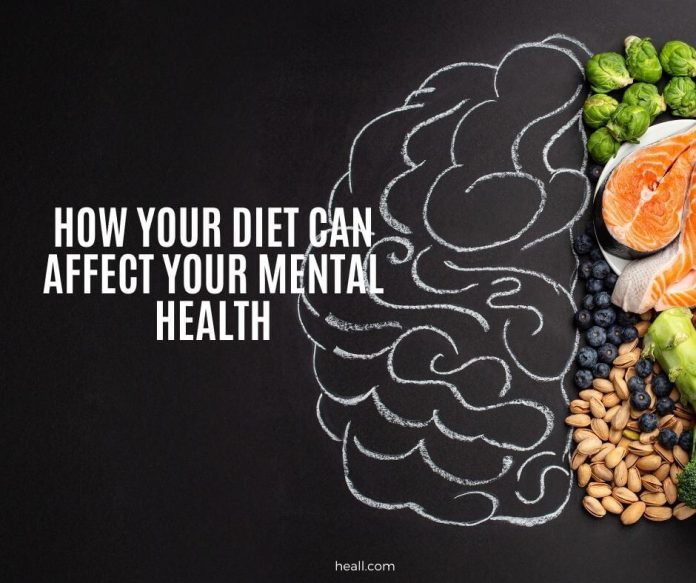

How popular diets affect mental and physical health differently is a complex issue with significant implications for overall well-being. Many people turn to dieting as a way to improve their health, but the effects can be quite varied and sometimes unpredictable. From weight loss to specific health conditions, various dietary approaches can have diverse outcomes on one’s mental and physical health. This article explores how different popular diets affect the mental and physical well-being of individuals. We’ll delve into the specific effects of popular diets, the potential pitfalls, and discuss the importance of individual needs and personalization. The structure will cover the most common diets, explore their pros and cons, and consider the interplay between mental and physical health.
Understanding the Diverse Impacts of Popular Diets
The Wide Spectrum of Dietary Approaches
Popular diets range from restrictive, low-calorie plans to those that emphasize specific food groups or macros. Understanding their impact on mental and physical health requires a nuanced approach, acknowledging the individual variability within each approach. Factors like individual metabolism, genetic predispositions, and underlying health conditions play a role in how a diet affects an individual. A vegan diet, for example, can potentially lead to vitamin B12 deficiencies if not carefully managed, while a ketogenic diet might cause temporary side effects like headaches due to electrolyte imbalance. These potential effects must be carefully evaluated by healthcare professionals and individuals.
The Psychological and Emotional Toll of Restrictive Diets
The Stress of Limiting Food Intake
Some popular diets, particularly those focused on rapid weight loss, can significantly impact mental health. Restrictive diets often lead to feelings of deprivation, hunger, and anxiety. This psychological stress can manifest as irritability, mood swings, and difficulty concentrating. The constant worry about food choices and the pressure to adhere to strict rules can create an unhealthy relationship with food, potentially escalating into an eating disorder. Long-term adherence to such diets may lead to nutritional deficiencies, further compounding the negative effects on mood and cognitive function.
The Physical Manifestations of Dietary Choices
Short-Term and Long-Term Health Consequences
Diets can impact physical health in both the short and long term. Some diets, like the Mediterranean diet, are linked to improved cardiovascular health, while others, like the Paleo diet, might be associated with increased risks of nutrient deficiencies. For example, the Atkins diet, while potentially effective for some in the short-term for weight management, can be associated with increased cholesterol levels if not monitored properly. Nutritional deficiencies can lead to various health problems, from fatigue to weakened immune function. It’s important to consider the long-term consequences of adhering to any diet, and seek medical guidance where necessary.
The Importance of Personalized Dietary Plans
Tailoring Diets to Individual Needs
A one-size-fits-all approach to dieting is rarely effective. Personalized dietary plans consider individual needs and goals, taking into account factors such as health conditions, lifestyle, and preferences. A registered dietitian can help create a plan that meets your specific requirements, ensuring adequate nutrient intake and avoiding potential health risks. They can also assist with addressing any underlying medical conditions that might affect diet choice or impact outcomes.
The Role of Exercise and Lifestyle in Diet Success
The Synergistic Effects of Diet and Exercise
Diets aren’t solely responsible for health outcomes. The role of exercise and an overall healthy lifestyle are vital. A balanced approach that combines a healthy diet with regular physical activity and stress management techniques often yields the most positive results. For example, incorporating regular walks into a vegan diet can enhance energy levels and promote overall well-being. Combining a diet and an exercise program, which include stress reduction, can improve the effectiveness of any diet plan.
In summary, popular diets can significantly impact both physical and mental well-being, though the effects vary greatly depending on the diet and individual. A balanced approach that prioritizes whole foods, sustainable habits, and mental well-being is crucial for long-term health. Understanding how different diets affect you personally is essential. Consult with a healthcare professional or registered dietitian to create a personalized plan that aligns with your individual needs and goals. They can help you navigate potential pitfalls and maximize the positive impacts of your chosen diet on your overall health.