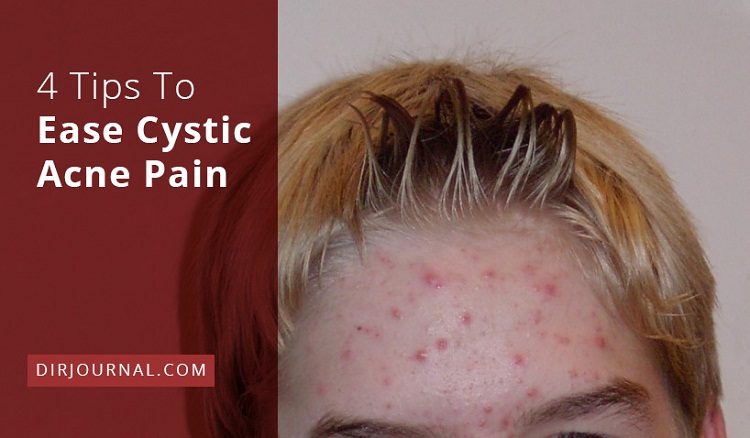
Cystic acne pain and inflammation can be incredibly distressing, impacting not only physical well-being but also emotional confidence. Understanding the underlying causes and implementing appropriate treatment strategies is crucial for managing these distressing symptoms. This comprehensive guide delves into the various causes, identifying factors that trigger inflammation and pain, and exploring practical, effective methods for soothing the discomfort. We’ll explore different treatment options ranging from topical therapies and lifestyle changes to potentially necessary medical interventions. We’ll also cover how to effectively manage the associated scarring.
Understanding Cystic Acne
The Underlying Causes
Cystic acne, a more severe form of acne, is characterized by painful, inflamed lesions that extend deep beneath the skin’s surface. These lesions often form due to a combination of factors, including hormonal fluctuations, bacterial overgrowth, and inflammation. Genetics can play a significant role, influencing how susceptible a person is to developing cystic acne. Additionally, poor hygiene practices can exacerbate the problem, allowing bacteria to flourish. Certain medications, including some oral contraceptives or corticosteroids, might trigger cystic acne in certain individuals.
Identifying the Triggers
Related Post : Choosing the Right Acne Skincare Products? Avoiding Mistakes.
Hormonal Factors
Hormonal imbalances, particularly during puberty, menstruation, and pregnancy, can contribute significantly to cystic acne outbreaks. Fluctuations in androgens, such as testosterone, trigger the overproduction of sebum, which can clog pores and increase inflammation. Stress also plays a vital role in acne flare-ups, triggering a hormonal cascade that exacerbates these conditions. Understanding the specific triggers in your case is crucial for developing a personalized strategy for managing your cystic acne.
Lifestyle Factors
Lifestyle factors can have a significant influence on the development and severity of cystic acne. Poor dietary habits, such as consuming a diet high in processed foods and sugar, can worsen inflammation and lead to increased acne flare-ups. Lack of sleep and inadequate hydration can also negatively affect your skin’s health, increasing susceptibility to inflammation. The interplay between diet, stress, and hormonal fluctuations should be considered when evaluating the causes of your acne.
Managing Inflammation and Pain
Topical Treatments
A range of topical treatments can effectively address inflammation and pain associated with cystic acne. Topical retinoids, salicylic acid, and benzoyl peroxide are common ingredients in acne treatments which help to exfoliate the skin, reduce bacterial growth, and control inflammation. The selection of the appropriate topical treatment depends on factors such as the severity and type of acne and individual skin sensitivity.
Seeking Medical Intervention
Oral Medications
In severe cases, oral medications, such as antibiotics and isotretinoin, may be necessary to control the inflammation and reduce the frequency of outbreaks. Isotretinoin, a powerful medication, is often used in severe cases. This medication can have significant side effects, hence, it should only be considered after careful evaluation and consultation with a dermatologist. Oral contraceptives can also help regulate hormonal imbalances in some cases, but this approach is highly personalized and requires medical supervision. Consult a dermatologist or a qualified healthcare professional for appropriate assessment and recommendations.
Lifestyle Adjustments
Making positive lifestyle adjustments can dramatically improve skin health and reduce the severity of cystic acne. A balanced diet rich in fruits, vegetables, and whole grains, combined with adequate hydration, can contribute to overall skin health. Regular exercise and stress reduction techniques can also play a critical role in regulating hormonal balance and minimizing acne flare-ups. Prioritizing stress relief through mindfulness, yoga, or other relaxation techniques can significantly aid the healing process.
Preventing Recurrence
Maintaining a Consistent Skincare Routine
Developing and maintaining a consistent skincare routine is crucial for preventing cystic acne recurrences. Cleansing the face gently, using appropriate moisturizers, and avoiding harsh scrubbing are important steps. Using acne-specific products containing ingredients such as salicylic acid or benzoyl peroxide is also essential. Following a consistent skincare routine can contribute to preventing further breakouts and maintaining overall skin health.
Avoiding Irritants
Identify and avoid potential irritants such as harsh chemicals, fragrances, and certain fabrics that can aggravate acne. Choose gentle and hypoallergenic products tailored to your skin type. If your condition worsens or if you experience persistent discomfort or persistent outbreaks, consult a medical professional for proper diagnosis and guidance. Knowing your skin’s unique characteristics can aid in preventing further flare-ups.
In conclusion, managing cystic acne pain and inflammation requires a multi-pronged approach, combining topical treatments, lifestyle adjustments, and potentially medical intervention. Prioritize a consistent skincare routine, stress reduction techniques, and a balanced diet to alleviate symptoms. Remember, seeking professional medical advice is crucial if your condition worsens or if you experience persistent discomfort. By understanding your unique needs and working closely with a dermatologist, you can develop a personalized strategy for managing your cystic acne and achieving lasting relief. Consult a dermatologist for a diagnosis and tailored treatment plan to address your specific needs and potential underlying causes. This personalized approach can lead to significant improvements in your skin health and quality of life.