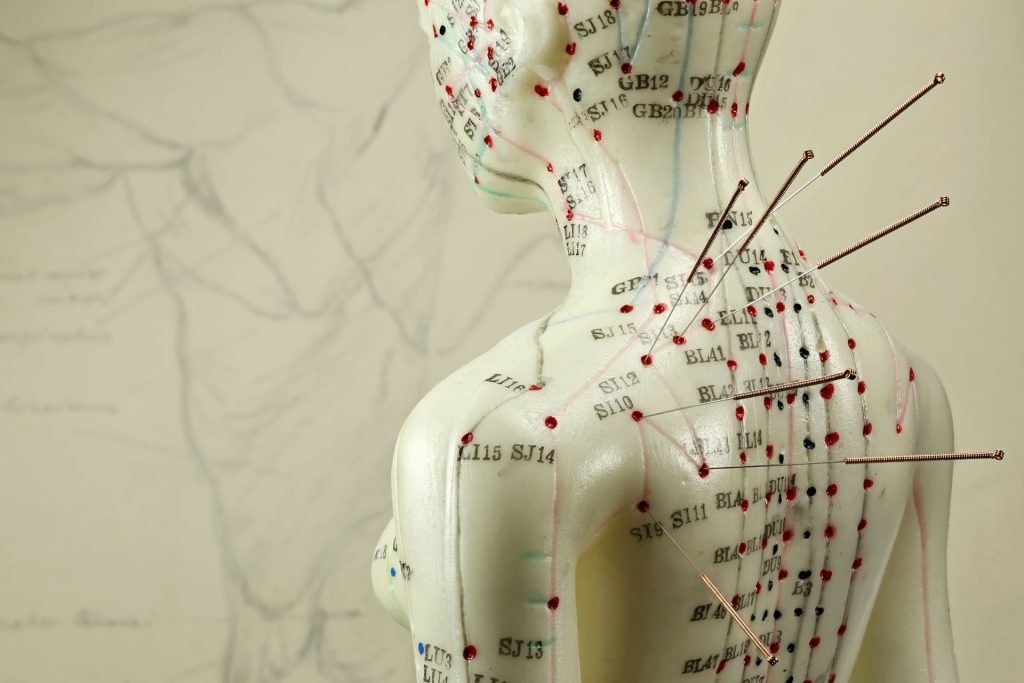
Unsure if acupuncture works for your chronic pain? Exploring its effectiveness is crucial in determining whether this ancient practice holds merit for managing your discomfort. Acupuncture, a cornerstone of Traditional Chinese Medicine (TCM), involves inserting thin needles into specific points on the body, believed to stimulate energy flow and alleviate pain. Many individuals seek acupuncture as a complementary therapy for chronic pain, and understanding its potential benefits and limitations can be empowering. This article will explore the research surrounding acupuncture’s effectiveness for chronic pain, examining the underlying theories, potential mechanisms, and important considerations before embarking on this path. We’ll also touch on the safety of acupuncture, and explore the role of an acupuncturist in ensuring a beneficial experience. This comprehensive guide will walk you through the key aspects, so you can make an informed decision regarding your health journey.
Understanding the Foundations of Acupuncture
The Historical Context and Principles of TCM
Acupuncture, rooted in Traditional Chinese Medicine (TCM), has a rich history spanning thousands of years. Based on the concept of Qi (vital energy) flowing through meridians within the body, acupuncture aims to restore balance and harmony. According to TCM, imbalances in Qi can lead to pain and other ailments. Practitioners believe that inserting needles at specific points along these meridians can stimulate the flow of Qi, thereby alleviating discomfort and promoting overall well-being. This ancient practice has evolved and adapted over centuries, incorporating new insights and research findings while still adhering to its fundamental principles.
Evaluating the Scientific Evidence
Exploring Clinical Trials and Studies
While acupuncture’s rich history lends credibility, rigorously designed clinical trials are vital to assess its modern efficacy. Recent studies have produced mixed results. Some studies suggest that acupuncture may be effective for certain types of chronic pain, such as lower back pain, neck pain, and even headaches. However, it is important to note that more extensive and comprehensive studies involving larger sample sizes are often needed to draw definitive conclusions. A lack of consistent results underscores the need for more quality research.
Exploring the Potential Mechanisms
How Acupuncture Might Alleviate Chronic Pain
The exact mechanisms through which acupuncture may alleviate chronic pain are not fully understood. However, research suggests several possibilities, including the release of endorphins, modulation of the nervous system, and stimulation of nerve pathways. These effects are thought to help reduce pain perception and promote healing. Further investigation into these potential pathways is ongoing and could unlock a deeper understanding of acupuncture’s effectiveness.
Examining Acupuncture’s Role in Pain Management
Integrating Acupuncture into a Comprehensive Strategy
Acupuncture, when integrated into a comprehensive pain management strategy, might offer additional benefits. Often, doctors suggest incorporating acupuncture alongside conventional therapies like physical therapy, medication, or lifestyle adjustments. In some cases, acupuncture has proven to enhance the effects of these conventional treatments. Individual responses to acupuncture will vary greatly and this should be evaluated with a medical professional.
Related Post : Fear of Needles Preventing Your Acupuncture Treatment? Understanding the Process.
Considering Potential Risks and Side Effects
Safety Concerns and Precautions
As with any medical treatment, acupuncture does carry potential risks and side effects. While generally considered safe when performed by qualified practitioners, potential complications include bruising, bleeding, infection at the insertion site, or allergic reactions to needles. It’s critical to choose a licensed and experienced acupuncturist to minimize these risks. Consult with your doctor before starting acupuncture to determine if it is appropriate for you and to discuss potential interactions with other medications or treatments.
Finding a Qualified Acupuncturist
Selecting a Skilled and Licensed Practitioner
Finding a qualified and experienced acupuncturist is essential for ensuring a safe and effective acupuncture experience. Look for practitioners who are licensed and certified in your area and have a good reputation. A consultation with the practitioner can help determine if acupuncture is suitable for your specific needs. Check if they use sterile equipment and maintain proper hygiene standards.
The Role of Lifestyle Factors
Understanding the Interplay of Diet, Exercise, and Stress
Acupuncture’s effectiveness can be impacted by lifestyle choices. Maintaining a balanced diet, regular exercise, and stress reduction techniques can greatly enhance the overall effects of acupuncture and improve well-being. Incorporating these practices can potentially complement the benefits of acupuncture and help manage chronic pain effectively.
Acupuncture and other Complementary Therapies
Integrating alternative healing practices
Acupuncture is often employed as part of a holistic approach to wellness. Complementary therapies like yoga, meditation, or massage may offer additional pain relief and improve overall well-being alongside conventional methods.
Conclusion
The Future of Acupuncture Research
Determining the effectiveness of acupuncture for chronic pain requires further investigation through well-designed studies and ongoing research. By studying the underlying mechanisms of how acupuncture works and continuing to investigate its potential, we might be able to clarify its role in pain management. This exploration will be beneficial for future patients needing pain relief options. Explore these options to make an informed decision about your health journey.
In conclusion, acupuncture’s effectiveness for chronic pain remains a subject of ongoing research and debate. While anecdotal evidence and some studies suggest potential benefits, more rigorous, large-scale clinical trials are needed to solidify its role as a primary or complementary treatment. If you’re considering acupuncture for chronic pain, it’s crucial to consult with your doctor or a qualified acupuncturist to discuss potential benefits, risks, and alternative treatments, and to ensure it aligns with your overall health plan. Explore these options to make an informed decision about your health.