Unsure about the best allergy medication? Finding the right treatment for your allergy symptoms can feel overwhelming. Allergies can range from annoying seasonal sniffles to severe reactions, making it essential to find the best allergy medication that suits your individual needs and minimizes uncomfortable side effects. Understanding the different types of allergy medications available, how they work, and the specific triggers for your allergy is crucial for achieving effective and lasting relief. In this comprehensive guide, we’ll explore various allergy medication options, the factors to consider when choosing the best fit, and practical tips for managing your allergies effectively. This guide covers common allergy medications, how they work, potential side effects, and long-term strategies for managing your symptoms.
Understanding the Spectrum of Allergies
Various Forms of Allergies
Allergies manifest in diverse ways, from mild seasonal discomfort to severe reactions requiring immediate medical attention. This spectrum of symptoms significantly affects daily life, impacting sleep, productivity, and overall well-being. Understanding the specific types of allergies you experience is paramount to finding the best treatment. Common allergy types include seasonal allergies (hay fever), food allergies, and environmental allergies, each with unique triggers and symptoms. Identifying these specific triggers is the first step towards effective allergy management.
Types of Allergy Medications
Common Over-the-Counter Remedies
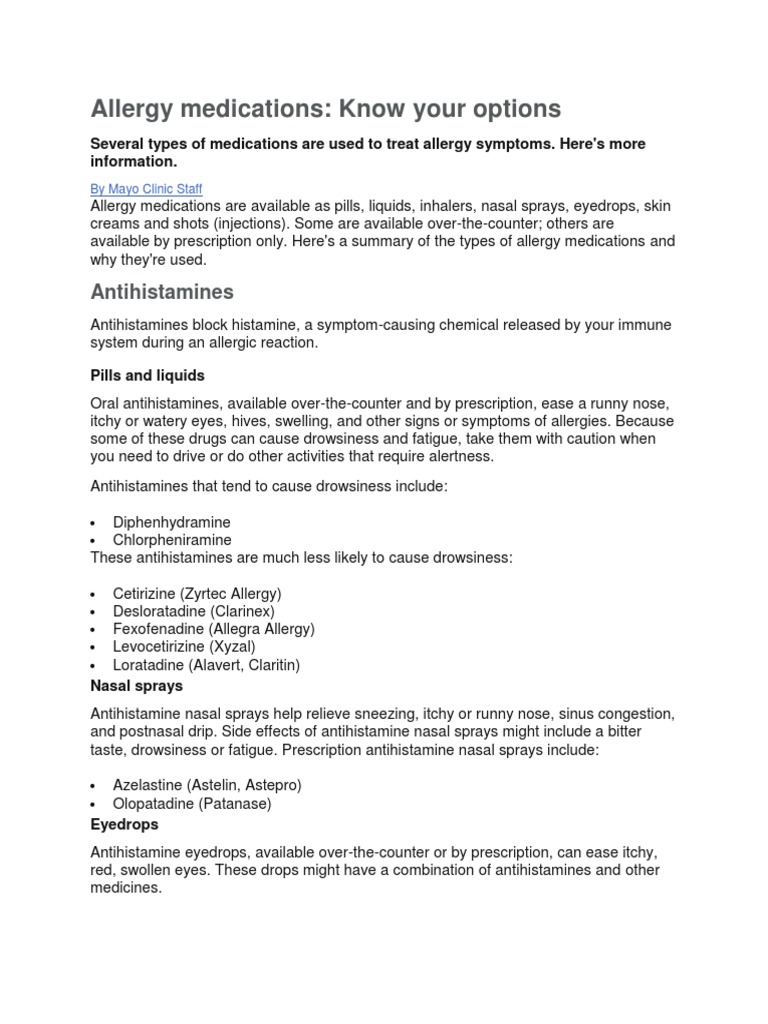
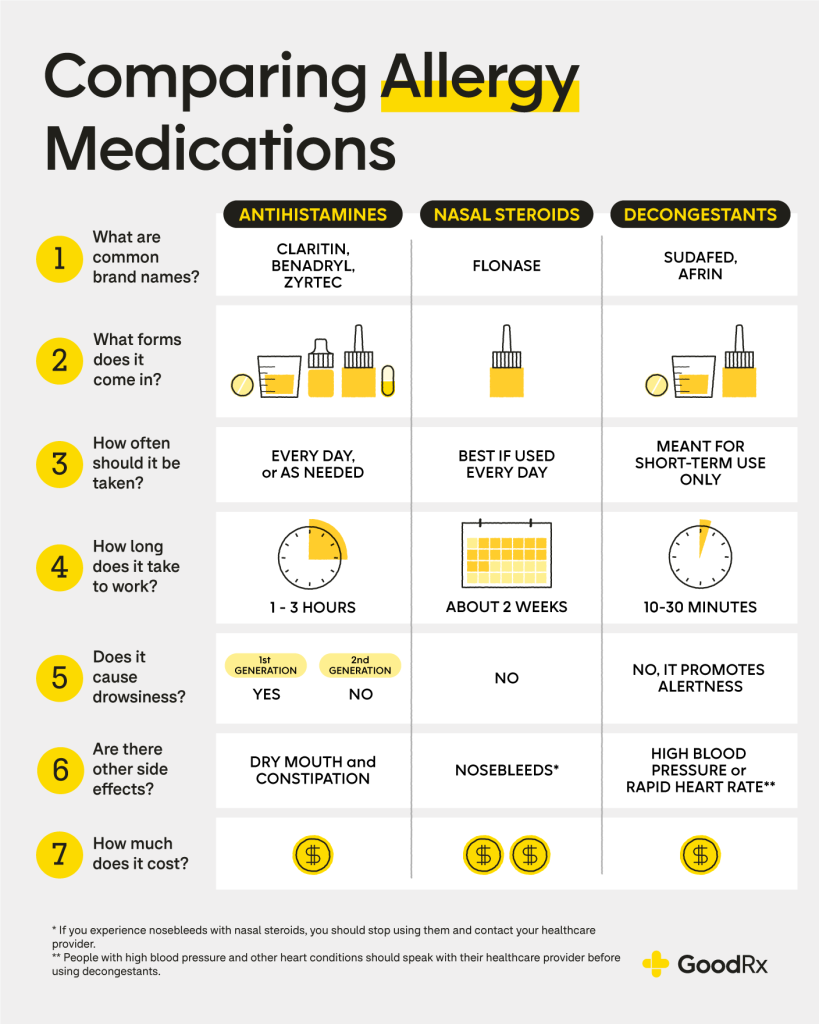
Over-the-counter (OTC) allergy medications are a common first line of defense against mild to moderate allergy symptoms. These medications often contain antihistamines, which work by blocking the effects of histamine, a chemical released during an allergic reaction. Common OTC options include cetirizine (Zyrtec), fexofenadine (Allegra), and loratadine (Claritin). While these medications offer relief for many, they may not be effective for all, especially those with severe allergies or persistent symptoms. OTC medications are generally safe for most individuals, but it’s essential to consult your physician if you have concerns about drug interactions or other health conditions.
Related Post : Persistent Sneezing and Itching? Understanding Your Allergy Triggers.
Prescription Allergy Medications
When Stronger Measures are Needed
Prescription allergy medications are often prescribed for more severe or persistent allergy symptoms that don’t respond well to OTC treatments. These medications can include corticosteroids, which reduce inflammation, and leukotriene inhibitors, which target specific inflammatory pathways. Prescription medications are often more potent and may have more significant side effects, which is why careful monitoring and consultation with a healthcare provider are crucial. Factors like the severity of your allergy, your overall health, and other medications you might be taking need to be considered when choosing a prescription allergy treatment.
Allergy Shots and Immunotherapy
A Long-Term Approach to Allergy Relief
Immunotherapy, often delivered via allergy shots, is a long-term strategy to reduce or eliminate allergy symptoms. By gradually exposing the body to increasing doses of the allergen, immunotherapy trains the immune system to tolerate the allergen. This gradual desensitization can significantly reduce or eliminate the allergic reaction. This treatment approach requires time and commitment, but it can offer substantial long-term relief for many individuals. Before considering immunotherapy, discuss the potential benefits, risks, and suitability with your physician.
Finding the Right Fit
Considering Individual Needs
Finding the best allergy medication for you involves understanding your individual needs and the specific symptoms you experience. Factors like the severity of symptoms, frequency of reactions, and the specific allergens you’re sensitive to are important considerations. A consultation with your doctor can provide crucial insights to develop a tailored plan that aligns with your unique needs. Consulting a physician provides personalized recommendations and addresses any potential contraindications or interactions with other medications.
Additional Considerations
Addressing the root cause of allergies
Identifying and addressing the root causes of allergies can be an essential part of a comprehensive management strategy. Understanding specific triggers, such as pollen, dust mites, or certain foods, allows for proactive measures, such as reducing exposure to those triggers, to potentially lessen or eliminate allergy symptoms.
Long-Term Management
Building a Comprehensive Approach
Developing a long-term allergy management strategy involves a combination of medication, avoidance of triggers, and possibly other strategies. Regular check-ups with your physician, and an understanding of your individual response to treatments, are important to achieve lasting relief from your allergies.
Lifestyle Modifications
Supplementing Medication with Lifestyle Changes
Modifying your lifestyle can complement allergy medication to improve symptom management. Avoiding triggers, such as specific foods, pollen, or dust, can significantly reduce the frequency and intensity of allergic reactions.
Important Considerations
Addressing Underlying Health Concerns
Allergies are often closely related to other health conditions. If you’re experiencing allergies in tandem with other medical issues, discussing this with your physician is critical to developing a comprehensive health plan that incorporates both concerns.
In conclusion, choosing the right allergy medication involves careful consideration of individual needs, symptoms, and potential side effects. Consult your doctor for personalized recommendations and explore different options to find the best allergy treatment for you. Don’t hesitate to ask questions and advocate for your health to ensure you get optimal relief from your allergy symptoms. Remember, consistency and adherence to your treatment plan are key to long-term management of allergies.