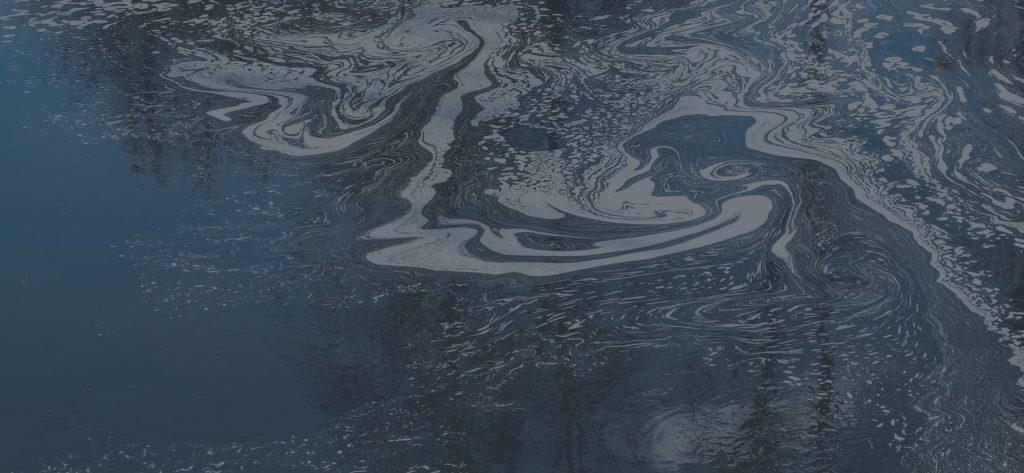
Water contamination is a global crisis, posing significant threats to human health and the environment. Imagine a world where access to clean water is limited, where the everyday activity of drinking water becomes a risk, or where entire ecosystems suffer irreparable damage. This complex problem is affecting communities worldwide, impacting countless lives, and highlighting the need for urgent action. Water contamination encompasses a broad scope of issues from agricultural runoff to industrial discharge, from sewage leakage to natural disasters. In this article, we will delve into the various facets of water contamination, exploring its causes, consequences, and potential solutions. We’ll explore what causes this issue, why it’s a serious concern globally, and how to take steps to mitigate the issue. This article is structured as follows: first, we define water contamination, then investigate its primary causes and global effects, and finally, we offer actionable solutions to tackle the problem.
Understanding Water Contamination
Defining the Problem
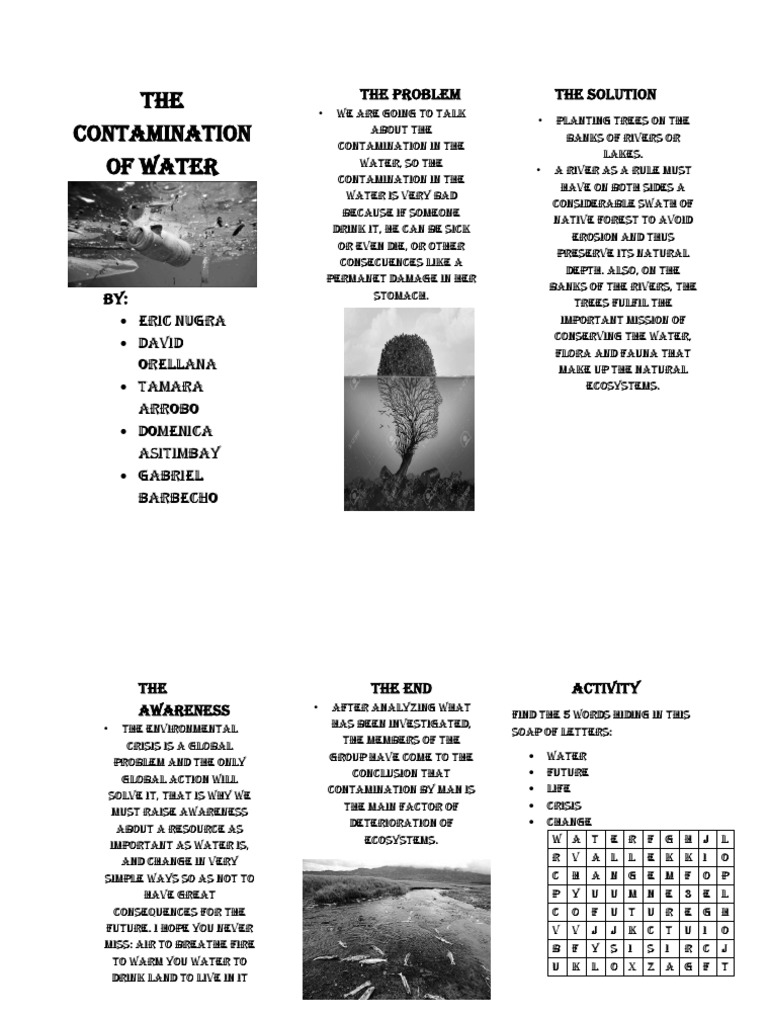
Water contamination occurs when harmful substances—chemicals, pathogens, or other pollutants—enter water sources, rendering them unsafe for human consumption and ecological health. This contamination can manifest in various forms, from visible discoloration to the presence of invisible toxins. Contamination can originate from a myriad of sources, impacting drinking water supplies, rivers, lakes, and even groundwater reserves. The consequences of contaminated water extend beyond human health issues, impacting ecosystems and agricultural practices.
Causes of Water Contamination
Industrial Discharge
Industrial facilities often release toxic chemicals and heavy metals into water bodies. The discharge of untreated industrial waste can lead to severe water contamination. For example, the release of mercury from mining operations can contaminate nearby rivers and lakes, poisoning aquatic life and creating health risks for those who consume contaminated water. In many parts of the world, strict regulations on industrial discharge are lacking or not enforced adequately. This poses significant risks to both human and ecosystem health.
Agricultural Runoff
Agricultural activities, while crucial for food production, can contribute significantly to water contamination. Fertilizers and pesticides used in farming practices often leach into waterways, leading to eutrophication and harming aquatic life. Rainwater washes away excess chemicals and contaminants, leading to a concentrated release of pollutants into rivers, lakes, and oceans.
Global Consequences of Water Contamination
Impact on Human Health
Water contamination is a significant public health concern, causing a scope of illnesses and diseases. Contaminated water can transmit diseases like cholera, typhoid, and diarrhea, leading to severe health consequences, especially in developing countries where access to clean water is limited. Moreover, chronic exposure to contaminants in water can lead to long-term health problems, increasing the risk of cancer and other serious ailments.
Solutions and Mitigation Strategies
Implementing Stricter Regulations
Governments play a critical function in mitigating water contamination through the implementation of strict regulations on industrial discharge and agricultural practices. These regulations should specify permissible levels of pollutants and require the use of appropriate treatment technologies. Stringent enforcement of these regulations is crucial to prevent contamination.
Investing in Water Treatment Infrastructure
Improving water treatment infrastructure is essential for ensuring the safety of drinking water supplies. Investment in modern water treatment plants, combined with regular maintenance and upgrades, can effectively remove contaminants from water sources. This is especially crucial in regions with limited access to clean water.
Related Post : The Impact of Air Pollution on Human Respiratory Wellness
Case Studies of Water Contamination Events
Case study 1:
There have been numerous incidents highlighting the devastating consequences of water contamination, such as the 2014 Flint water crisis. The lead contamination in Flint’s water provide led to significant health problems for residents, highlighting the urgency of addressing water quality issues. This situation serves as a stark reminder of the importance of regular monitoring and proactive measures to protect public water supplies.
Case Study 2:
Another example of contamination comes from agricultural practices in certain regions—these practices have led to the contamination of nearby waterways with pesticides and fertilizers, impacting local ecosystems and threatening the health of animals and humans who rely on the water source.
The consequences of inaction are devastating.
Additional Considerations
Importance of Public Awareness
Raising public awareness about the importance of clean water is essential. Education programs can inform communities about the sources of water contamination, its consequences, and preventative measures they can take. This ensures proactive measures are adopted to reduce the risk. Encouraging responsible water application, proper waste disposal, and support for regulations can create healthier water practices.
Water Quality Monitoring
Regular Testing and Evaluation
Regular monitoring of water quality is essential to detect and address contamination issues promptly. By establishing a robust water quality monitoring system, authorities can determine potential sources of contamination and implement targeted solutions. This proactive approach can safeguard public health and protect vital ecosystems.
Sustainable Agricultural Practices
Minimizing Chemical Runoff
Promoting sustainable agricultural practices is crucial in reducing water contamination. These practices focus on minimizing chemical runoff and optimizing water resource management. This approach promotes a healthier environment for present and future generations. This can include the adoption of no-till farming techniques, promoting crop diversification, and employing natural pest control methods.
Conclusion Alternatives
This article discussed the importance of understanding water contamination, its global consequences, and potential solutions. We explored several angles, including the impact on public health and the environmental consequences of water contamination.
In conclusion, understanding water contamination and its global consequences is crucial for safeguarding human health and environmental sustainability. Addressing this issue requires collaborative efforts from governments, organizations, and individuals. Implementing stricter regulations, investing in water treatment infrastructure, promoting sustainable agricultural practices, and raising public awareness are crucial steps towards a healthier future. Learn more about water safety by visiting our resources page today! Our thorough guide on preventing water contamination is your next step to protecting yourself and your community.