
Understanding the Myths and Facts About Detox Diets is crucial for making informed decisions about your health. These diets, often promising quick weight loss and improved well-being, frequently fall short of their claims. This article delves into the true nature of detox diets, separating the myths from the facts. We’ll explore the purported benefits, potential risks, and more importantly, sustainable alternatives for achieving your health and wellness goals. This comprehensive guide will address why detox diets often don’t work and highlight the importance of a balanced approach to nutrition and lifestyle. The structure of this article includes a detailed exploration of the common myths surrounding detox, a critical analysis of the scientific evidence, and practical insights for making informed dietary decisions.
The Allure and the Reality of Detox Diets
Understanding the marketing hype and the scientific basis behind the claims
Detox diets have become increasingly popular, promising rapid weight loss and a cleansed body. Often marketed as a quick fix for a variety of ailments, detox programs often use buzzwords and misleading information. The marketing strategy often plays on consumer anxieties and desires for quick solutions, leading to the appeal of these products. People struggling with weight or health issues may see these as a solution to their problems. This is why it’s essential to scrutinize the claims and examine the scientific evidence behind these purported benefits. A key aspect to note is that these programs frequently lack scientific backing.
Common Myths Debunked
Exposing the popular misconceptions
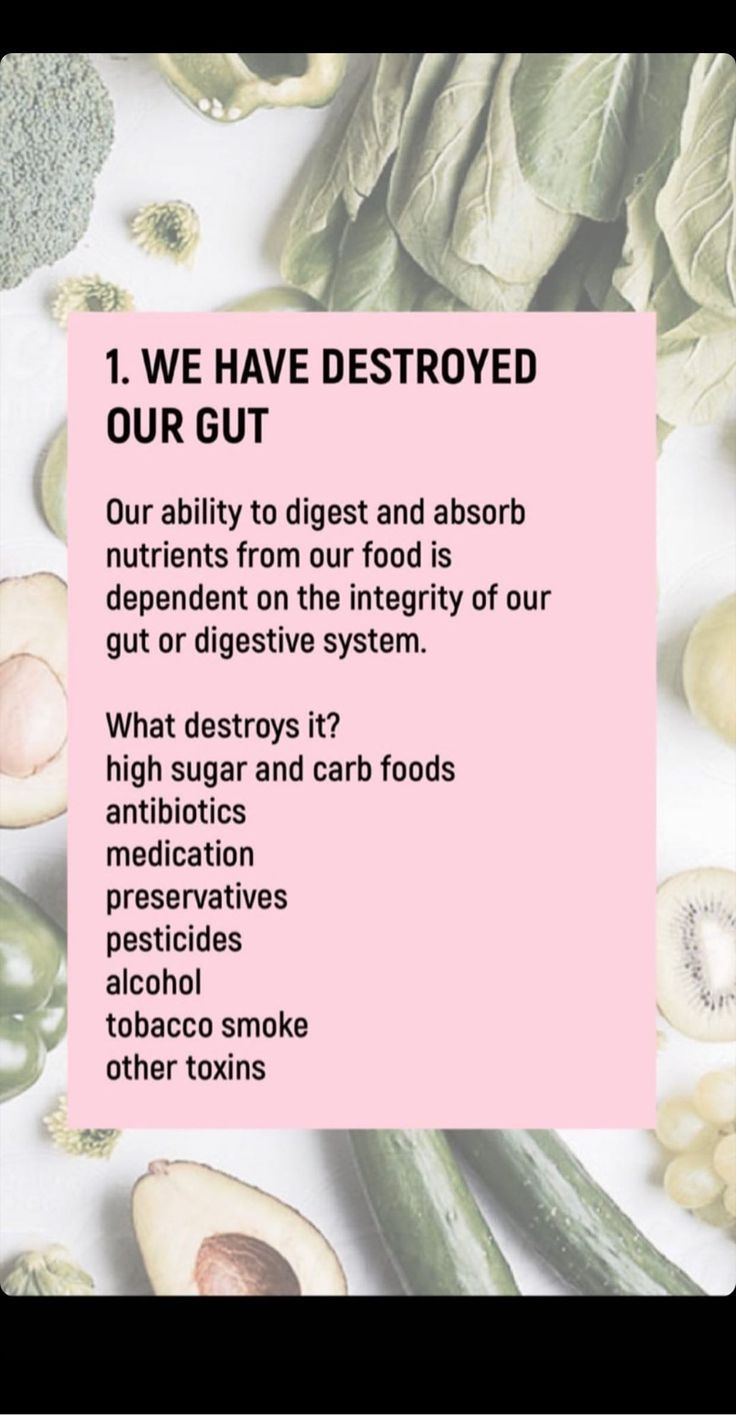
Many detox diets rely on promoting myths about the body’s ability to cleanse itself. These myths typically revolve around the idea that the body needs a ‘reset’ to eliminate toxins and impurities. However, the reality is that our bodies have sophisticated natural mechanisms for detoxifying. Our liver, kidneys, and other organs already handle these functions efficiently. The focus should be on nourishing and supporting these natural detoxification processes, not artificially stimulating them with often-unhealthy detox methods. Promoting these methods can mislead people into believing that complex dietary habits and health solutions can be simplified.
The Dangers of Detox Diets
Examining the potential health risks
Some detox diets involve drastic restrictions on food groups or promote the consumption of questionable ingredients. The rapid and drastic restrictions in food intake can potentially lead to nutrient deficiencies, which are critical for maintaining good health. The use of questionable ingredients raises further concerns about potential side effects. A careful and balanced approach to nutrition is often best. People following detox diets often ignore the importance of proper nutrition.
Sustainable Alternatives to Detox Diets
Embracing a holistic approach to wellness
Instead of pursuing quick fixes, consider a holistic approach to wellness. This includes adopting healthy eating habits, regular exercise, and stress management techniques. Sustainable changes in these aspects of your life are often more effective and sustainable than temporary detox diets. For example, a well-structured exercise program can significantly contribute to overall well-being, whereas fad diets often lead to health risks. Focus on increasing fruit and vegetable intake while avoiding overly processed foods.
Related Post : The Role of Hydration in Flushing Out Harmful Substances
The Importance of Professional Guidance
Seeking personalized advice from a registered dietitian or nutritionist.
Consult a registered dietitian or nutritionist for personalized guidance tailored to your specific needs. A registered dietitian or nutritionist can assess your individual requirements and create a nutrition plan that promotes sustainable changes. They can also monitor your progress and adjust the plan as needed, offering a tailored and supported approach to overall health and well-being.
The Role of Hydration
How water plays a crucial part in detoxification
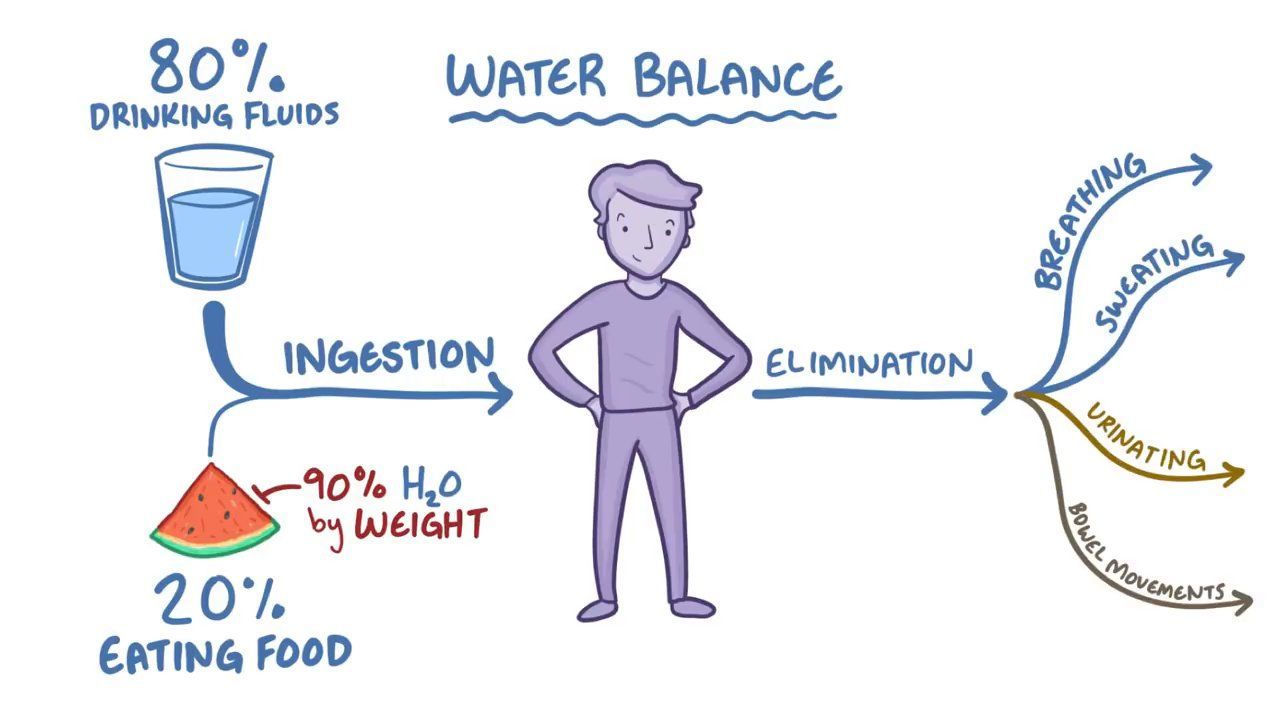
Staying adequately hydrated is crucial for overall health, and even more so when dealing with detox programs. Adequate water intake supports the natural detoxification process. Dehydration can hinder the body’s ability to flush out toxins. Prioritize water consumption throughout the day.
In conclusion, detox diets often fail to deliver on their promises of rapid weight loss or health improvement. The truth is that a balanced diet, regular exercise, and a healthy lifestyle are the most reliable paths to long-term health and well-being. Instead of pursuing quick fixes, focus on sustainable habits that support your overall health. Consider consulting a registered dietitian or nutritionist for personalized advice tailored to your needs. They can provide guidance on healthy eating and lifestyle choices that promote holistic wellness. This will help you make informed decisions about your health and nutrition, leading to lasting positive changes.