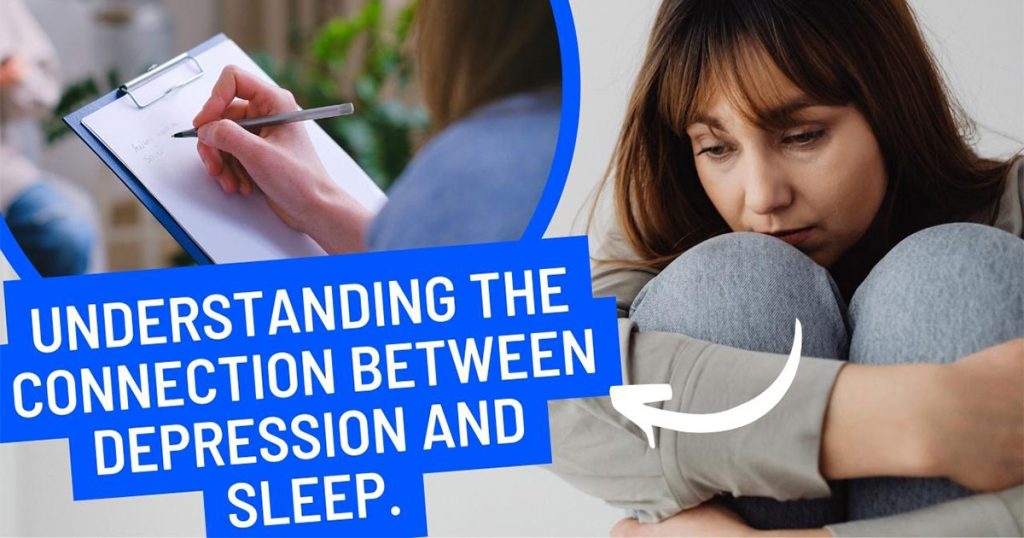
Sleep disruptions and depression are intricately intertwined, with poor sleep often acting as a significant contributor to depressive symptoms. This article delves into the complex relationship between disrupted sleep patterns and the development of depressive episodes, exploring the underlying mechanisms and offering actionable strategies for combating this often-overlooked factor. We’ll explore the critical role sleep plays in mood regulation, examine the common symptoms and signs, and delve into practical steps you can take to manage your sleep hygiene and mitigate the risk of depression. Prepare to gain a deeper understanding of how disrupted sleep can impact mental health and discover actionable strategies to improve both your sleep and your mood.
The Intertwined Nature of Sleep and Mood
Understanding the Physiological Link
Sleep is essential for the proper functioning of the human body and mind. During sleep, our brains consolidate memories, repair tissues, and regulate various physiological processes, including mood regulation. Disruptions to this natural cycle can lead to a cascade of negative consequences, including a heightened risk of developing or exacerbating depressive symptoms. Chronic sleep deprivation or sleep disorders can disrupt the delicate balance of neurotransmitters in the brain, impacting mood regulation. Insufficient sleep can contribute to a significant increase in stress hormones, such as cortisol, which can lead to feelings of anxiety and even depression. Moreover, sleep disturbances can negatively impact cognitive function, making it harder to cope with daily challenges and leading to feelings of hopelessness and helplessness, which are key components of a depressive episode. This intricate relationship underscores the importance of prioritizing sleep for optimal mental well-being. A study published in the Journal of the American Medical Association (JAMA) reported a strong correlation between sleep disorders and increased risk of developing depression, emphasizing the critical need to address sleep issues for proactive mental health.
Recognizing the Signs of Sleep Disruptions
Identifying the Symptoms and Effects
Recognizing the early warning signs of sleep disruptions and their potential impact on mood is a crucial first step in addressing the issue. Individuals with sleep disturbances may experience difficulty falling asleep, staying asleep, or experiencing a feeling of unrefreshing sleep. These disruptions can result in daytime fatigue, irritability, and difficulty concentrating. These symptoms, when persistent, can contribute to a negative spiral, impacting overall mood and increasing the likelihood of developing depressive symptoms. The frequent lack of quality sleep can lead to difficulties in regulating emotions, fostering feelings of sadness, hopelessness, and worthlessness – characteristic symptoms of depression. Observing patterns and noting any changes in sleep quality and mood is critical to understanding the possible link. The National Sleep Foundation provides valuable resources on recognizing and understanding various sleep disorders.
Sleep Hygiene Practices for Emotional Well-being
Cultivating Healthy Sleep Habits
Establishing good sleep hygiene practices is vital for promoting emotional well-being and mitigating the risk of depressive episodes. Adopting regular sleep schedules, even on weekends, helps regulate the body’s natural sleep-wake cycle. Creating a relaxing bedtime routine, such as reading, taking a warm bath, or listening to calming music, can signal to the body that it’s time to wind down. Ensuring a comfortable sleep environment, including a dark, quiet, and cool bedroom, is essential for optimal sleep quality. Limiting caffeine and alcohol intake before bed, and avoiding large meals before sleeping can also have a significant impact on sleep quality. Prioritizing regular physical activity, while avoiding intense workouts close to bedtime, can contribute to a more regulated sleep cycle. These consistent practices can contribute significantly to improving both physical and mental well-being.
The Role of Stress Management in Sleep Quality
Managing Stress to Enhance Sleep
Stressful life events and chronic stress can negatively impact sleep patterns, which can then contribute to depressive symptoms. Learning and implementing stress-management techniques can effectively help mitigate these impacts. Techniques like mindfulness meditation, deep breathing exercises, and progressive muscle relaxation can significantly reduce stress and improve sleep quality. Engaging in regular physical activity, a balanced diet, and spending time in nature can also have a calming effect. By proactively managing stress levels, individuals can create a more supportive environment for better sleep, which in turn can positively influence mental health.
Related Post : The Hidden Symptoms of Depression That Many Overlook
Seeking Professional Support for Depression
Understanding the Need for Treatment
When sleep disruptions persist and contribute to depressive symptoms, it’s essential to seek professional help. A mental health professional can assess the specific situation, provide a thorough evaluation, and recommend appropriate treatment options. This might include therapy, medication, or a combination of both. Therapy can equip individuals with coping mechanisms and strategies to address underlying stressors, while medication can help regulate neurotransmitter levels, thereby alleviating symptoms of depression. This professional approach ensures a holistic and personalized approach to addressing the intertwined issues of sleep disruptions and depression, ultimately supporting recovery and well-being. Remember that seeking professional help is a sign of strength, not weakness, and demonstrates a commitment to overall well-being.
In conclusion, understanding the intricate link between sleep disruptions and depression is crucial for effective intervention and improved mental well-being. Addressing sleep issues can significantly contribute to alleviating depressive symptoms, and recognizing the early warning signs is paramount. By incorporating healthy sleep habits, seeking professional help when needed, and focusing on overall well-being, individuals can navigate this complex relationship and cultivate resilience against depression. Consider consulting a mental health professional for personalized strategies to manage sleep disturbances and improve mental health. This article has provided a comprehensive understanding of the correlation, outlining the importance of proactive measures in protecting mental well-being. Take the first step towards a healthier, happier you by prioritizing sleep quality and mental health.