The science behind scent delves into the fascinating realm of how aromas influence our moods and anxiety levels. Imagine walking into a bakery and experiencing the warm, comforting aroma of freshly baked bread—a simple scent triggering a cascade of positive emotions. This phenomenon isn’t magic; it’s a complex interplay between our olfactory system, the brain, and our emotional responses. This article will explore the intricate relationship between scent, mood, and anxiety, examining the science behind these connections and providing actionable strategies to leverage the power of scent for a healthier, more balanced life.
The Olfactory System: A Gateway to Emotions
How Our Sense of Smell Works:
Our sense of smell, or olfaction, is a powerful sensory system that directly connects to the limbic system of our brain, the area responsible for emotions, memories, and motivation. Unlike other senses, smells bypass the thalamus, the brain’s sensory relay station, and project directly to the amygdala and hippocampus, which are deeply intertwined with emotional processing and memory formation. This direct connection explains why scents can evoke such intense and personalized emotional responses.
The Neural Pathways of Scent:
The olfactory system employs a complex network of neural pathways that connect the nose to the brain. Sensory neurons within the nasal cavity transmit signals to the olfactory bulb, which acts as a central processing unit. From there, signals travel to deeper brain regions, triggering a cascade of reactions, influencing our emotions and perceptions.
Scent and Memory: A Powerful Connection:
Studies demonstrate that scents have a remarkable ability to trigger vivid memories and emotions. Imagine a familiar perfume evoking a specific memory of a loved one—this is a powerful reminder of the profound link between scent and our emotional history.
Related Post : Natural Scents That Calm the Mind: Exploring Aromatherapy for Stress Relief
The Impact on Emotions and Behavior:
Research indicates that certain scents can alter emotional states. Fresh citrus scents, for instance, are often associated with feelings of alertness and optimism, while calming scents like lavender are associated with relaxation and tranquility.
The Role of Familiarity and Context:
Our personal associations with certain scents also play a significant role in how we perceive and respond to them. A scent that evokes a positive memory from childhood can elicit joy and comfort, while a scent associated with a negative experience might trigger feelings of unease.
The Science of Scent and Anxiety
The Impact of Aromatherapy on Anxiety:
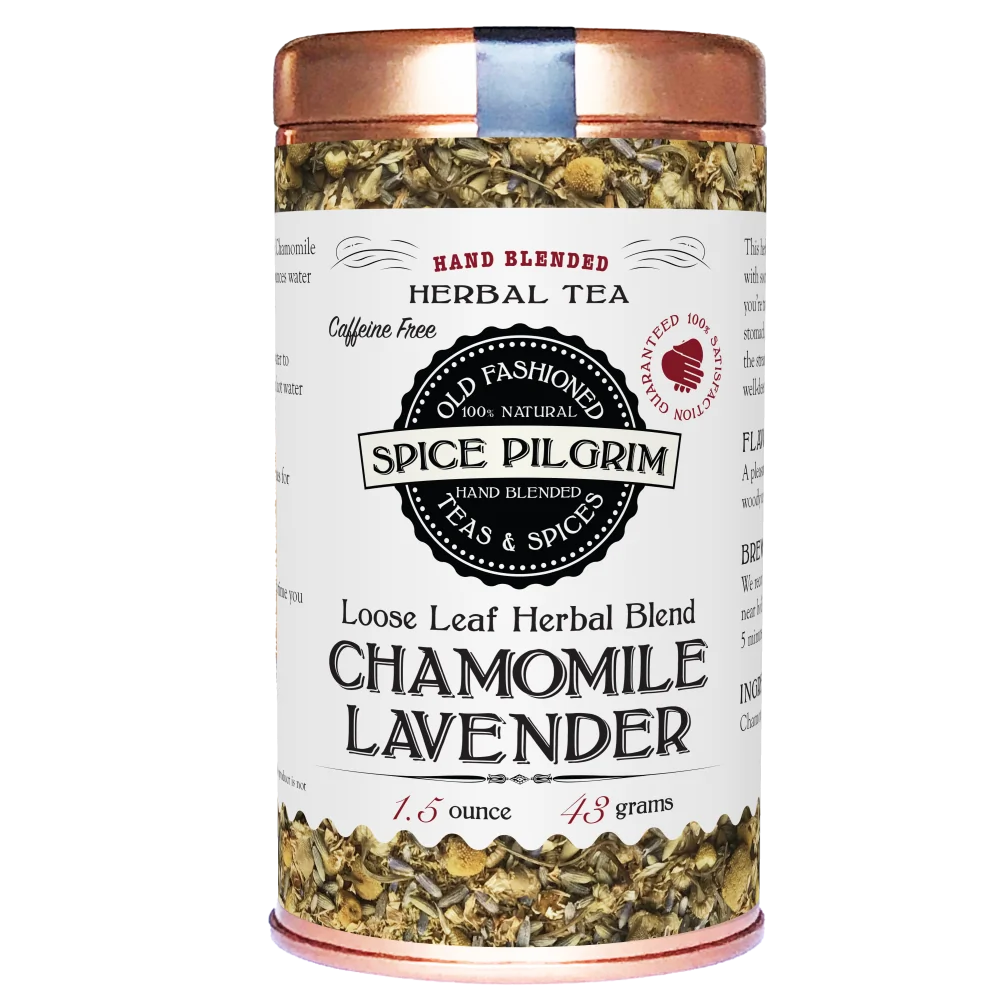
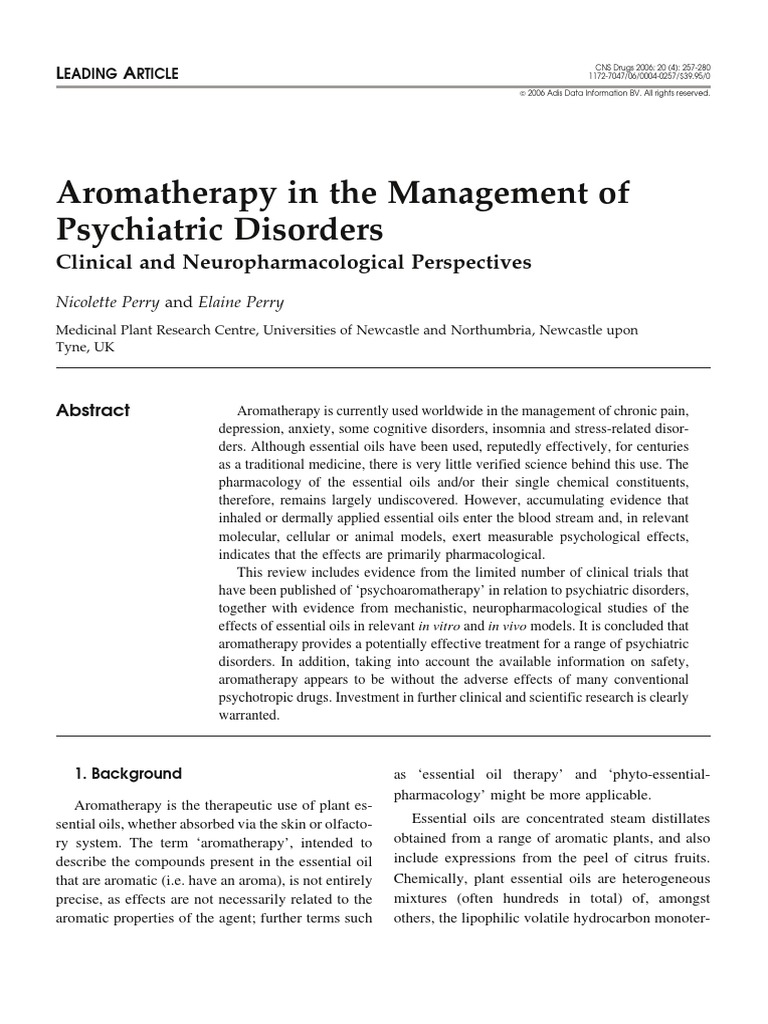
Scent therapy, also known as aromatherapy, is often utilized to alleviate anxiety. Various studies suggest that specific scents can effectively reduce anxiety levels. For instance, lavender, chamomile, and sandalwood are often used in aromatherapy to promote relaxation. The calming effects of these scents arise from their interaction with the olfactory system, prompting the release of calming neurochemicals.
Research on Scent and Stress Response:
Studies on the stress response in the human body have shown that pleasant scents can modulate the physiological effects of stress by lowering cortisol levels and decreasing heart rate variability. The ability of scents to influence our stress response is a powerful testament to their capacity to affect our physiological and emotional states.
Specific Scent Effects on Anxiety Symptoms:
Research indicates that some scents, such as bergamot and citrus, can promote feelings of optimism and alertness, while others, such as chamomile and lavender, induce feelings of calm and relaxation. This diverse range of responses highlights the intricate ways in which scents interact with our emotional processing.
The Role of Environment and Scent Choice:
Environmental scents can significantly impact our emotional state. A well-designed office space, for example, might use scents to improve focus and productivity. Choosing the right scents for specific environments is an important aspect of harnessing the power of scent.
Individual Responses and Sensory Preferences:
It is crucial to remember that individual responses to scents can vary. What one person finds calming, another might find irritating or overwhelming. Understanding and catering to individual sensory preferences is crucial for effective scent therapy.
Scent and Mood Regulation
The Power of Scent in Enhancing Mood:
Pleasant scents have the remarkable ability to elevate mood by triggering positive emotions. Fresh citrus scents are often associated with increased alertness, while floral fragrances often evoke feelings of happiness and joy. This ability to influence our emotional state is a fundamental aspect of how scents can impact our daily lives.
The Role of Scents in Improving Focus and Productivity:
Certain scents can enhance focus and productivity in work environments. This is particularly evident in offices or study spaces where specific scents are used to promote concentration. For instance, peppermint or citrus aromas have been shown to enhance cognitive performance by improving attention and alertness.
Scent and Memory Recall:
The powerful connection between scent and memory can also play a role in mood regulation. Familiar and positive scents can trigger positive memories, contributing to overall emotional well-being. This aspect is particularly relevant in therapy settings or in designing environments conducive to emotional recall.
The Therapeutic Benefits of Scent in Different Settings:
Scent therapy has found applications in various settings, from hospitals and wellness centers to personal spaces. It is being used as a tool to improve overall well-being and provide relief from various discomforts. Its usage in such settings emphasizes the efficacy of scents in impacting the human experience.
The Potential for Manipulation and Ethical Considerations:
While the benefits of scent manipulation are evident, it’s essential to be aware of the potential for manipulation. Ethical considerations concerning the use of scents in public spaces or in marketing campaigns must be explored.
The Practical Application of Scent
Designing Spaces with Scent in Mind:
Understanding the influence of scent allows us to design spaces that actively enhance our emotional well-being. Consider the use of soothing scents in bedrooms or meditation spaces or uplifting scents in workspaces to promote productivity.
Creating Personalized Scent Experiences:
Explore the wide range of scents available and identify personal preferences to create unique and tailored experiences. Experimenting with different scents, paying close attention to your emotional and physiological responses, is a crucial step towards personalizing scent therapy.
Integrating Scents into Daily Routines:
Incorporate scents into daily routines, such as diffusing essential oils during relaxation time or using scented candles or lotions. These simple practices can improve mood and create a sense of well-being.
Exploring the World of Essential Oils:
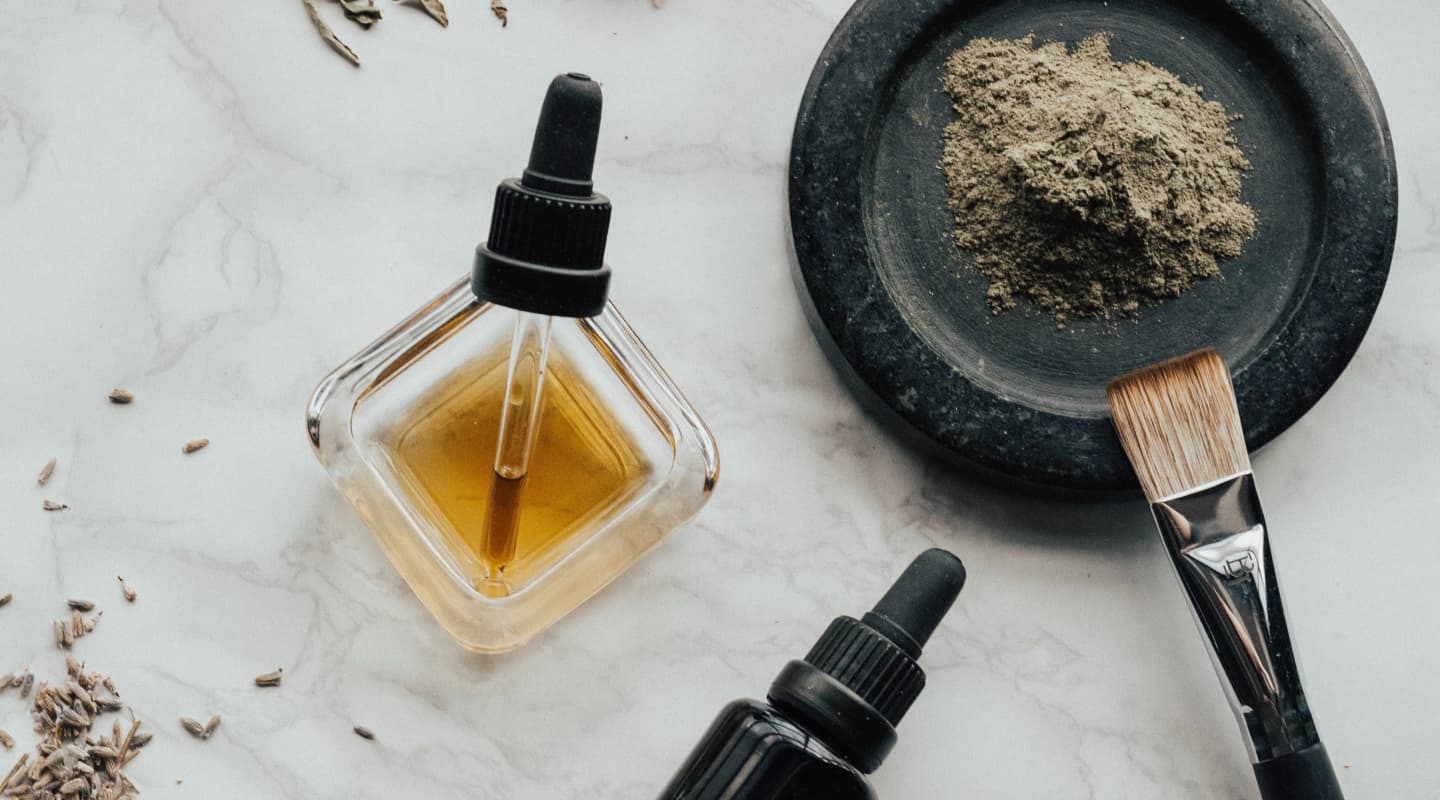
Essential oils offer a natural and versatile way to incorporate scents into daily life. The diverse properties of essential oils make them adaptable to diverse personal preferences and therapeutic needs.
Cautionary Notes:
Be mindful of potential sensitivities or allergies to certain scents. Always conduct a patch test before using a new scent, especially essential oils.
Practical Strategies for Anxiety Relief
Scent Selection for Anxiety Relief:
Choose scents known for their calming and soothing effects, such as lavender, chamomile, or sandalwood. Diffusing these scents can create a calming atmosphere, promoting relaxation and reducing anxiety.
Incorporating Scent into Mindfulness Practices:
Combine scent with mindfulness exercises for a holistic approach. Breathe in deeply and focus on the calming qualities of the scent, enhancing relaxation and reducing anxiety.
Aromatherapy and Stress Management:
Consider incorporating aromatherapy practices to manage stress. The calming effects of scents can be very effective in helping manage stress and reducing anxiety levels.
Personalized Scent Experiences:
Experiment with different combinations of scents to find personalized solutions. This approach can result in a tailored experience that best suits personal preferences and specific needs.
Incorporating Scents into Daily Routines:
Carry a small essential oil diffuser or a scented candle with you to easily access and utilize scents when needed. These small but consistent actions can drastically contribute to long-term well-being.
How can I use scent to improve my mood?
Identify scents that evoke positive emotions and incorporate them into your daily life. This could include using scented candles or diffusers, applying scented lotions, or even carrying a small, fragrant item. Regularly exposing yourself to these scents can help create positive associations, boosting your mood and enhancing your overall well-being. Experimentation is key to finding what scents work best for you.
What are some scents that can help enhance focus and concentration?
Peppermint and citrus scents, such as lemon and orange, are often reported to enhance focus and cognitive performance. These scents can increase alertness and help maintain attention, promoting productivity.
Are there any risks or downsides to using scent therapy?
While generally considered safe, some individuals may experience allergic reactions or sensitivities to certain scents. It’s crucial to test any new scent on a small area of skin before widespread use, especially with essential oils, to avoid potential adverse effects.
How can I incorporate scent into my daily routine without overdoing it?
Start with small, incremental steps. A few drops of essential oil in a diffuser, a scented candle for a few minutes, or a short walk through a fragrant garden can be effective. The key is to incorporate scent in a way that feels natural and comfortable without feeling overwhelmed or using excessive amounts.
In conclusion, the science behind scent is fascinating and impactful, revealing how aromas profoundly influence our mood and anxiety levels. Understanding this connection can empower us to harness the therapeutic potential of scents in our daily lives, promoting well-being and reducing stress. Experiment with different scents, mindful of your personal responses, to discover the aromas that best suit your needs and environments. By incorporating this knowledge, you can cultivate a more harmonious and emotionally balanced life experience. Explore the world of aromatherapy and discover the unique impact of scent on your mental and emotional states. Visit our website for more articles and resources!