
Technology is dramatically enhancing hearing and communication, offering hope and solutions for individuals with a wide range of needs. Modern technology has significantly advanced our ability to assist those with hearing loss, speech impediments, and other communication challenges. This article explores the evolving role of technology in transforming how we hear and connect with each other, highlighting both the existing solutions and the future potential. We will delve into various technological advancements, from assistive listening devices to communication apps and more. We will also address the challenges and explore how technology can bridge the communication gap. This exploration will look at the diverse applications of technology across different areas of hearing and communication.
Assistive Listening Devices: Enhancing Accessibility
Hearing Aids and their Evolution
Technological advancements have dramatically improved the effectiveness of hearing aids. The evolution of miniaturization, combined with sophisticated digital signal processing, have led to more discreet, comfortable, and powerful hearing aids. These modern devices can adjust to varying levels of background noise and filter out unwanted sounds, optimizing the clarity and amplification of desired sounds. This technology provides a tailored hearing experience for each individual, based on their specific hearing loss. Furthermore, advanced features like Bluetooth connectivity and streaming capabilities allow users to better integrate their hearing aids with other electronic devices.
Cochlear Implants: A Revolutionary Solution
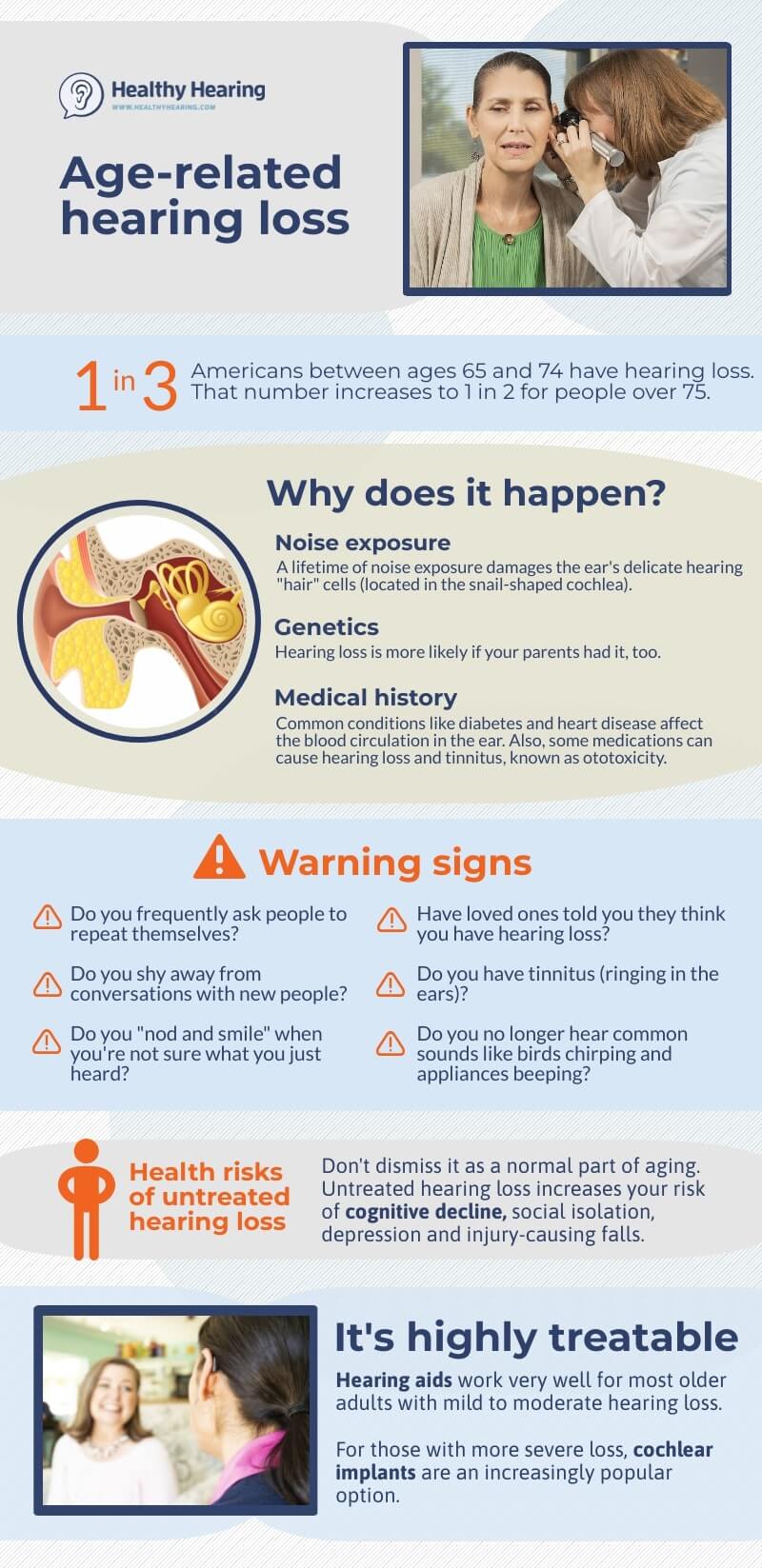
Cochlear implants are a sophisticated and groundbreaking technology, particularly for individuals with profound sensorineural hearing loss. These advanced devices directly stimulate the auditory nerve, bypassing the damaged hair cells in the inner ear. The implant system consists of an external receiver and a device surgically placed inside the inner ear. The external device receives sound, processes it digitally, and transmits the processed signal to the internal device. The effectiveness of cochlear implants in restoring hearing varies depending on the individual and the extent of hearing loss. The result is a significant improvement in hearing and communication for many. Furthermore, advancements in technology continue to refine the cochlear implant experience, making it a revolutionary solution for profound hearing loss.
Communication Applications and Tools: Bridging the Gap
Related Post : Common Causes of Hearing Loss That Often Go Unnoticed
Text-to-Speech and Speech-to-Text Software
These technologies are invaluable for people with speech impairments or those who face challenges in oral communication. Text-to-speech software allows users to transform written text into spoken words, while speech-to-text applications convert spoken words into text. This technology facilitates communication in numerous contexts, enabling individuals to communicate effectively through various formats. From simple transcription to complex language translation, these tools are improving communication access.
Video Communication and Real-Time Interpretation
Video conferencing and real-time captioning tools now allow people with hearing impairments to participate in meetings, classes, and other communication settings without barriers. These systems provide visual representations of spoken words, enabling real-time understanding and engagement. Sign language interpretation platforms also contribute to successful communication across linguistic differences, which is becoming increasingly relevant in a globalized world.
The Role of Technology in Education and Accessibility
Technology for Deaf Education
Education plays a vital role in successful communication and overall wellbeing. Technology plays an increasing role in the education of deaf or hard-of-hearing students. This is done through interactive learning systems, sign language interpreters, and captioning for audio materials, providing more inclusive educational experiences and allowing students to better access information. Furthermore, online learning resources and communication platforms support learning at home and in the classroom.
Breaking Down Barriers in Healthcare
Telemedicine, video conferencing, and real-time captioning are revolutionizing the way healthcare professionals interact with patients with hearing and communication impairments. These technologies promote effective communication between patient and practitioner, helping healthcare professionals understand patient needs better, enabling better diagnosis and care. A better understanding of patient needs translates into better healthcare.
Emerging Trends and Future Directions
Artificial Intelligence and Personalized Solutions
Artificial intelligence (AI) is poised to transform hearing and communication solutions. AI-powered speech recognition and synthesis could lead to more personalized and adaptable communication tools. By learning an individual’s communication patterns and speech style, AI-powered tools can personalize communication processes, resulting in smoother and more natural-sounding interactions. Additionally, personalized hearing aids that adapt to fluctuating hearing needs offer further customization.
Accessible Design Principles and User Experience
The development of user-friendly applications and devices is critical. Technology must focus on accessibility features, ensuring that communication solutions are not only effective but also easy for all users to operate. Design and intuitive interfaces can promote user engagement, making technology a more integral part of daily life. Considering accessibility in design will result in tools that cater to people of all abilities.
Overcoming Challenges and Barriers
The Cost of Technology
Accessibility to technology can still be a barrier for some, particularly for those in underserved communities or with limited financial resources. Programs to provide financial assistance or subsidized access to assistive devices and services will help bridge the digital divide. Addressing affordability directly is vital in maximizing the positive impact of communication technology.
Maintenance and Support
Ensuring continuous access to quality maintenance and support for technological aids is necessary to maximize their effectiveness. Dedicated technical support, repair services, and community resources play a significant role in ensuring long-term accessibility. These steps help ensure that technology becomes a reliable and effective aid for those who need it the most.
Further Exploration of Technology in Communication
Exploring the Accessibility Landscape
Incorporating technology in diverse learning environments and everyday communication situations can create a more inclusive environment. For instance, assistive listening devices are valuable for individuals in public spaces, enabling them to participate in conversations with greater ease. By making assistive listening tools readily available and accessible, public spaces can foster inclusive experiences.
Integrating Technology into Daily Living
The integration of communication technology into daily routines significantly improves quality of life. By allowing individuals to stay connected with family, friends, and communities, technology can create a sense of belonging and empowerment.
The Future of Technology and Communication
The Intersection of AI and Communication
Technological advancements are constantly pushing the boundaries of what’s possible in the field of communication and accessibility. The advancement of AI-powered language translation technology will allow for clearer communication across languages. This will enable more interactions and seamless communication in a global context.
Advancements in Communication Aids
Ongoing research and development in areas like hearing aids and cochlear implants aim to improve the quality of life for individuals with hearing loss. Further advancements promise improved features, increased comfort, and enhanced communication clarity.
Bridging the Gap: Cultural Considerations
Inclusive Design for Diverse Communities
Designing technology that is inclusive of diverse cultural communication preferences will significantly enhance its impact. Understanding the specific needs and communication styles of various communities will enhance the efficacy and adoption of technology. This consideration should be taken into account when designing accessibility features for communication tools.
Addressing Language Barriers
Technological solutions must include support for multiple languages to improve communication across cultural and linguistic boundaries. AI-powered translation tools can serve as vital mediators in overcoming language barriers, facilitating interactions in different communities.
Long-Term Impact and Future Implications
Societal Benefits
Technological advancements in hearing and communication are rapidly changing the landscape of accessibility and inclusivity. By empowering individuals to actively participate in education and employment, technology is driving societal benefits. This leads to more engaged, informed, and well-rounded communities, making the world a more inclusive environment.
Continuous Evolution and Adaptation
Technological innovation is a continuous process, so staying up-to-date with the latest advances in hearing and communication technologies is important. By embracing and adopting new innovations and technologies, the hearing and communication landscape will continue to adapt, meet emerging needs, and create more accessible communication solutions for everyone.
In conclusion, technology plays a pivotal role in enhancing hearing and communication, offering solutions for diverse needs and challenges. From assistive listening devices to advanced communication apps, technology empowers individuals with hearing impairments or communication disorders to lead fulfilling lives. Continuous research and development promise even more innovative solutions in the future. If you’re looking to explore these solutions further, consider exploring resources from organizations specializing in hearing and communication technologies. Explore our resources page for more information or contact us for personalized recommendations.