
Sleep and hormones play a pivotal role in building stronger muscles. This crucial interaction is often overlooked, yet understanding the intricate relationship can significantly impact your fitness journey. This article will delve into the connection between sleep, hormone production, and muscle development, outlining the impact of insufficient sleep on muscle growth and presenting actionable strategies to leverage the power of these critical factors. We’ll explore how specific hormones, like testosterone and growth hormone, are influenced by sleep patterns, and how diet plays a part in this complex process. We’ll also look at strategies for optimizing sleep and hormone balance to maximize your muscle-building results, making the most of your workouts. The structure of this guide will cover the science behind sleep and hormone functions related to muscle growth, examining practical steps for integrating better sleep and diet into your routine, followed by a review of the crucial importance of stress management and recovery.
The Science Behind Sleep and Hormones
Sleep Cycles and Hormone Release
Adequate sleep is vital for hormone production, especially for hormones crucial for muscle building. During sleep, the body releases growth hormone, crucial for muscle repair and growth. Disruptions in sleep patterns can lead to decreased growth hormone secretion, hindering progress towards muscle gains. Different stages of sleep have varying hormone release patterns. Deep sleep phases are critical for growth hormone release, emphasizing the importance of quality sleep over sheer quantity. Studies have shown a direct correlation between sleep deprivation and reduced testosterone levels, impacting muscle protein synthesis. The interplay between various hormones – testosterone, cortisol, growth hormone – is critical in muscle development; the delicate balance is disrupted by inadequate sleep.
The Impact of Stress Hormones
Chronic stress significantly impacts hormonal balance. Elevated levels of cortisol, the primary stress hormone, can interfere with muscle growth by breaking down muscle tissue instead of building it. Stress also often leads to poor sleep quality. This vicious cycle can make it challenging for the body to effectively recover and build muscle mass. A mindful approach to managing stress, incorporating relaxation techniques like yoga and meditation, can counteract this effect, promoting healthy sleep cycles and balanced hormone levels.
The Role of Testosterone in Muscle Building
Testosterone and Muscle Protein Synthesis
Testosterone is a key anabolic hormone that plays a crucial role in building muscle mass. Its influence extends to stimulating protein synthesis, a critical process for muscle growth. During periods of sleep, testosterone levels naturally increase, making this period crucial for optimal muscle recovery and growth. Studies have shown that adequate sleep can significantly improve testosterone levels. Incorporating regular exercise with sufficient rest periods supports the body’s natural testosterone production, enhancing muscle growth and overall well-being.
Nutritional Factors for Muscle Development
The connection between diet and muscle growth cannot be overstated. A balanced diet rich in protein, essential amino acids, and micronutrients is vital for supporting muscle protein synthesis. Sufficient protein intake is paramount for muscle repair and growth, providing the necessary building blocks for new muscle tissue. Nutrients such as creatine, vitamin D, and magnesium play supporting roles in various aspects of muscle function and recovery. Proper hydration through sufficient water intake also contributes to optimal muscle function.
Related Post : Why Consistency Matters More Than Intensity in Muscle Building
Optimizing Sleep for Muscle Growth
Creating a Conducive Sleep Environment
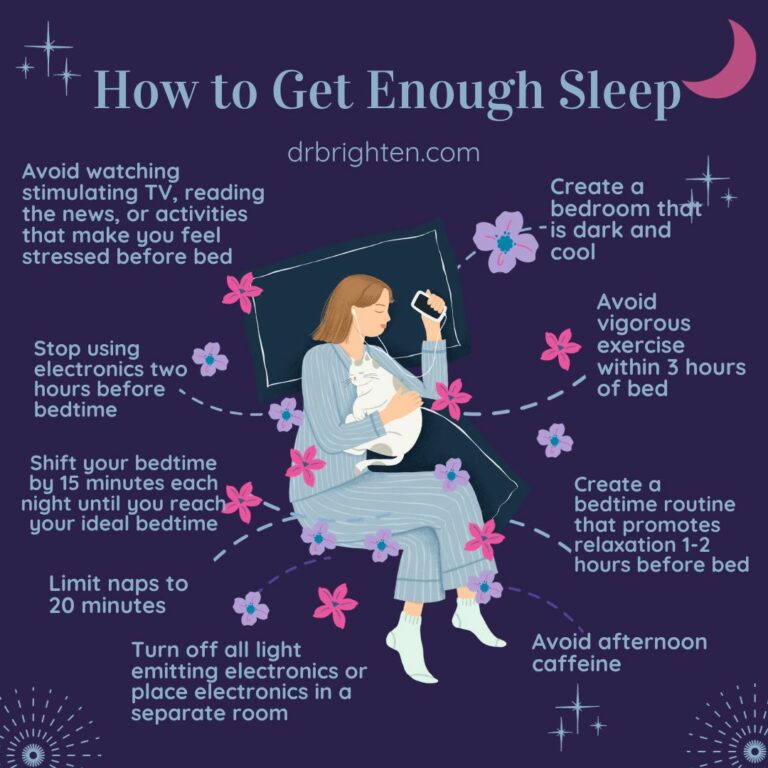
Optimizing your sleep environment is a crucial step in maximizing the benefits of sleep for muscle growth. A dark, quiet, and cool room with a comfortable bed promotes a more restful sleep. Consistent sleep schedules, even on weekends, are essential for regulating the body’s natural sleep-wake cycle, promoting better sleep quality. Electronics should be avoided before bedtime, as the blue light emitted can interfere with melatonin production, essential for regulating sleep patterns.
Sleep Hygiene Practices
Establishing good sleep hygiene practices is crucial for healthy sleep patterns. This includes limiting caffeine and alcohol intake before bed, establishing a calming bedtime routine, and avoiding large meals before sleep. Regular exercise can also improve sleep quality, although exercising too close to bedtime may disrupt sleep. Paying attention to these details can significantly impact your body’s ability to optimally recover and build muscle.
Diet Strategies for Hormone Balance
Nutrient-Rich Foods
Consuming a balanced diet is crucial for maintaining optimal hormone levels. This includes nutrient-rich foods like fruits, vegetables, lean proteins, and whole grains. These foods provide the necessary vitamins and minerals essential for hormonal function. A balanced diet provides the building blocks for the hormones and enzymes involved in muscle growth. Eating regularly throughout the day helps to regulate blood sugar levels, contributing to stable hormone production.
Prioritizing Protein
Protein is fundamental for muscle growth. Incorporating protein-rich foods into your diet ensures sufficient amino acids for building and repairing muscle tissue. Consuming protein throughout the day, rather than in a single meal, can help to optimize protein synthesis and improve muscle recovery. Consulting with a registered dietitian can provide personalized dietary advice for optimal muscle-building strategies.
Incorporating Stress Management
Stress Reduction Techniques
Chronic stress impacts the hormonal balance essential for muscle growth. Incorporating stress-reduction techniques is vital for regulating cortisol levels. Activities like meditation, deep breathing exercises, and yoga can significantly reduce stress and promote relaxation. These practices foster a better sleep-wake cycle and improve hormone regulation. By prioritizing stress management, you create a more favorable environment for muscle growth and recovery.
Prioritizing Recovery
Recovery plays an indispensable role in muscle building. Adequate rest and recovery time allow the body to repair and rebuild muscle tissue, which is essential for growth. Scheduling rest days and listening to your body’s signals can support better recovery and prevent overtraining, a common cause of muscle growth setbacks.
In conclusion, optimizing sleep and hormone balance is crucial for building stronger muscles. Prioritizing quality sleep, managing stress, and consuming a balanced diet are fundamental steps in achieving this. Understanding the intricate connection between sleep, hormones, and muscle growth allows for a personalized approach to fitness. By incorporating these strategies into your daily routine, you can unlock your body’s full potential for muscle development and overall well-being. Ready to experience the transformative power of sleep and hormones? Visit our website for more detailed workout and nutrition plans tailored for your specific goals!