
The impact of stress on skin conditions like acne and eczema is a crucial aspect of understanding how our mental well-being directly affects our physical health. Stress, in its various forms, can significantly affect our skin’s delicate balance, exacerbating existing conditions and potentially leading to new outbreaks. This article delves into the intricate connection between stress and skin, exploring the mechanisms behind this relationship and providing actionable solutions. We’ll cover the science behind the stress response and how it impacts skin, as well as practical strategies to manage stress and improve skin health.
Understanding the Stress Response and its Impact on Skin
The Physiology of Stress
Stress, a normal human response to perceived threats or challenges, triggers a cascade of physiological reactions. This “fight-or-flight” response, mediated by the hypothalamic-pituitary-adrenal (HPA) axis, releases hormones like cortisol and adrenaline. These hormones, while vital for short-term survival, can have detrimental effects on the skin when chronically elevated. For example, cortisol can disrupt the skin’s barrier function, making it more vulnerable to irritants and environmental stressors.
The Skin-Stress Connection
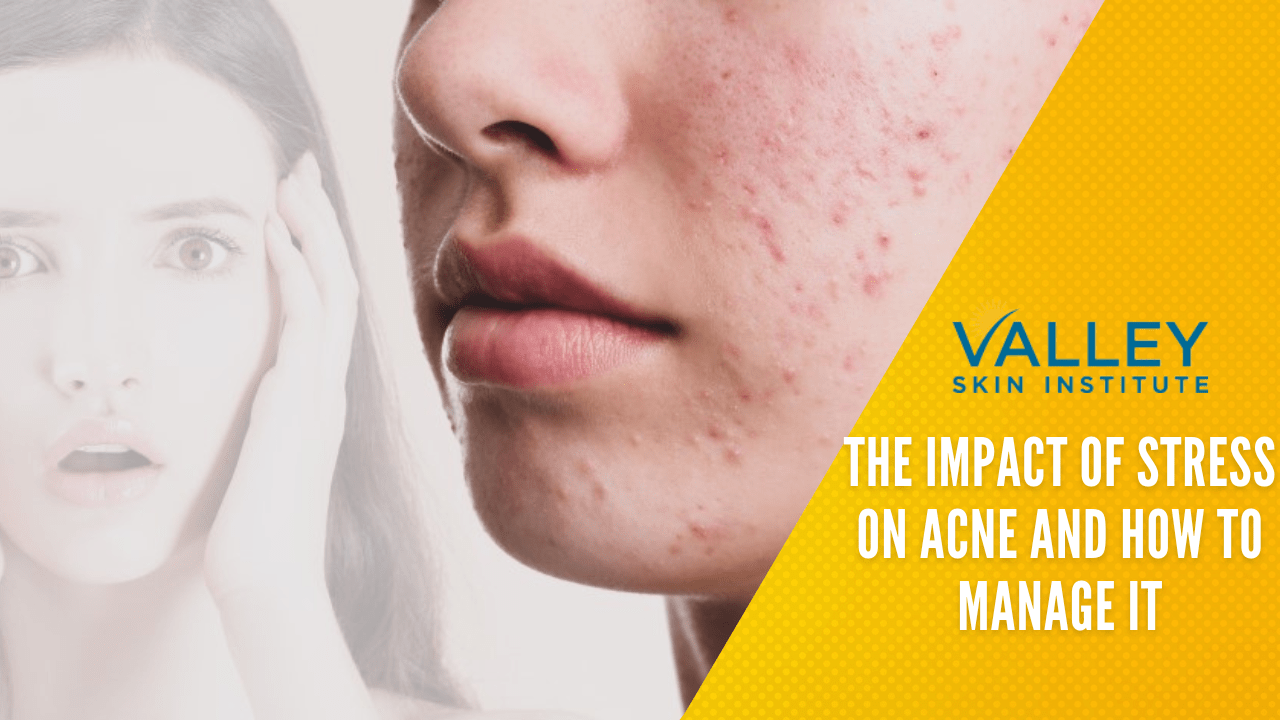
Chronic stress often manifests as inflammation in the body, and the skin is no exception. This inflammatory response can worsen acne by increasing sebum production, clogging pores, and promoting the growth of acne-causing bacteria. Similarly, eczema, characterized by dry, itchy, and inflamed skin, can also be exacerbated by stress, which further weakens the skin’s protective barrier. Researchers have observed increased skin sensitivity and impaired wound healing under stressful circumstances.
How Stress Affects Specific Conditions
Studies have shown that stress can impact the severity and frequency of acne breakouts. Individuals experiencing high levels of stress often report worsened acne conditions, suggesting a direct correlation between the two. Stress also appears to influence eczema flare-ups, potentially through increased inflammation and reduced skin barrier function.
Related Post : Common Skin Conditions That Often Go Misdiagnosed
Identifying Stress Triggers and Developing Coping Mechanisms
Understanding Your Stressors
Recognizing personal stress triggers is essential for effective stress management. Keeping a journal can be helpful in identifying patterns and understanding which situations or events tend to elevate stress levels. Common stressors include work pressures, relationship conflicts, financial worries, and major life changes. Identifying triggers allows for proactive strategies to prevent or manage stress in those situations.
Developing Coping Strategies
Once you have identified your triggers, you can develop a personalized coping plan. These strategies can include relaxation techniques like meditation, deep breathing exercises, yoga, or spending time in nature. Moreover, building a strong support system with friends and family can provide invaluable emotional support during times of stress.
The Power of Self-Care
Self-care is a crucial component of stress management. Incorporating activities that promote relaxation and rejuvenation, such as engaging in hobbies, spending time with loved ones, or practicing mindfulness, can effectively mitigate the negative impact of stress on the skin and overall well-being. For instance, a regular sleep schedule and sufficient rest can significantly reduce stress levels.
Managing Stress to Improve Skin Health
Dietary Habits and Skin Health
Adopting a healthy diet rich in fruits, vegetables, and whole grains can significantly contribute to both overall health and skin health. Nutrients like antioxidants can help protect the skin from oxidative stress, which can worsen both acne and eczema. Avoiding excessive sugar, processed foods, and caffeine, known to exacerbate inflammation, is also beneficial for healthy skin.
Stress-Reducing Lifestyle Choices
Incorporating regular physical activity, such as walking, running, or swimming, can effectively lower stress hormones. Exercise releases endorphins, which have mood-boosting effects and can help to regulate the stress response. Ensuring adequate sleep is another crucial element in maintaining skin health. Aim for 7-9 hours of quality sleep each night to allow your body to repair and regenerate.
The Role of Mindfulness and Relaxation Techniques
Mindfulness techniques, including meditation and yoga, can help individuals regulate their stress response by promoting a sense of calm and awareness. These practices train the mind to focus on the present moment, rather than dwelling on stressful thoughts or anxieties. Techniques like progressive muscle relaxation can also help reduce physical tension associated with stress.
Seeking Professional Help for Stress Management and Skin Conditions
Consulting a Dermatologist
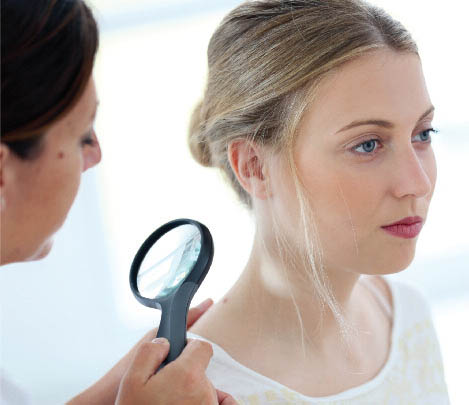
If stress-related skin conditions persist or worsen despite lifestyle changes, consulting a dermatologist is advisable. A dermatologist can diagnose the specific condition, assess the underlying causes, and develop a tailored treatment plan. A consultation can clarify the role of stress in skin conditions, especially in acne and eczema cases.
Seeking Support from Mental Health Professionals
For individuals experiencing significant stress or anxiety that negatively impacts their skin conditions, seeking support from a therapist or counselor is highly recommended. Mental health professionals can help develop coping mechanisms and strategies for stress management, promoting a holistic approach to well-being and potentially improving skin health.
Recognizing the Importance of Comprehensive Care
Addressing stress-related skin conditions often requires a multi-faceted approach. By combining lifestyle modifications with professional guidance from dermatologists and mental health providers, individuals can effectively manage stress and improve their skin’s overall health.
The Importance of a Holistic Approach to Skin Health
Beyond the Physical
Healthy skin isn’t just about external care; it’s about a holistic approach that includes mental and emotional well-being. When stressed, the body can react in ways that negatively impact skin health. Consider reducing stress through mindfulness practices, getting sufficient sleep, and prioritizing activities that promote emotional well-being.
The Relationship Between Diet and Skin
Diet plays a crucial role in overall health and skin well-being. Nutritious foods provide essential vitamins and minerals that support the skin’s natural barrier function and promote healing. Conversely, a diet high in processed foods and refined sugars can increase inflammation and negatively impact skin conditions.
Skin Care Routines that Complement Stress Management
Incorporating a consistent skincare routine can further support healthy skin. Gentle cleansers, moisturizers, and sun protection can further bolster the skin’s natural barrier, promoting resilience against environmental stressors, which can be exacerbated by stress.
In conclusion, the impact of stress on skin conditions like acne and eczema is undeniable. Understanding the intricate link between emotional well-being and skin health empowers individuals to proactively manage stress and promote healthier skin. By implementing stress-reduction techniques and maintaining a balanced lifestyle, you can significantly improve your skin’s resilience and reduce the likelihood of flare-ups. Remember, a holistic approach to health, encompassing both mental and physical well-being, is key to achieving optimal skin health. For more personalized guidance, consider consulting a dermatologist or therapist. Take charge of your skin’s health today!