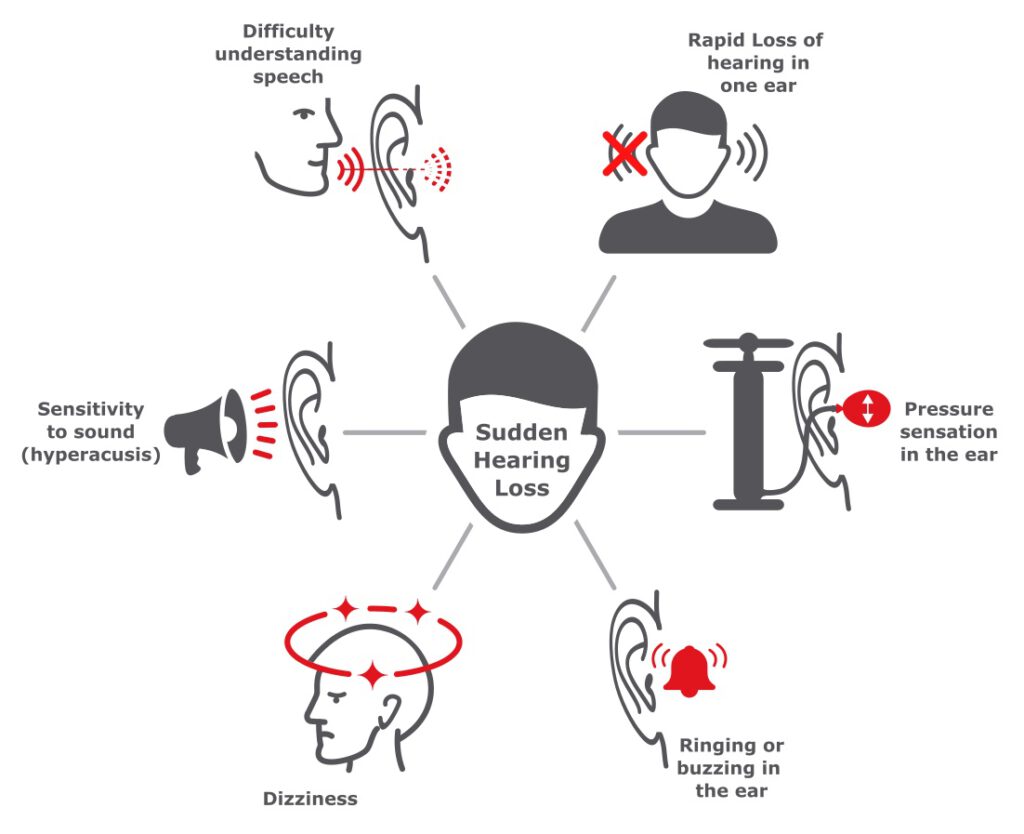
Ear infections are a significant health concern, impacting not only immediate well-being but potentially having long-lasting effects on auditory function. Imagine struggling with everyday sounds that once were clear; it’s a challenge many face after dealing with these common infections. This article delves into the intricate connection between ear infections and long-term hearing health, offering insights into the different types, potential complications, and preventative strategies that you can employ. We’ll explore the various degrees of impact, from temporary discomfort to permanent hearing loss, and emphasize proactive steps you can take to safeguard your auditory function. We’ll cover the different types, risks, symptoms, treatments, and preventive measures related to this condition. The structure of the article is as follows: First, we’ll define ear infections and their types. Then, we’ll dive into how ear infections can affect long-term auditory function, exploring potential complications. We’ll explore potential preventative methods and provide actionable tips on how to protect your hearing.
Understanding Ear Infections: Types and Causes
Different Types of Ear Infections
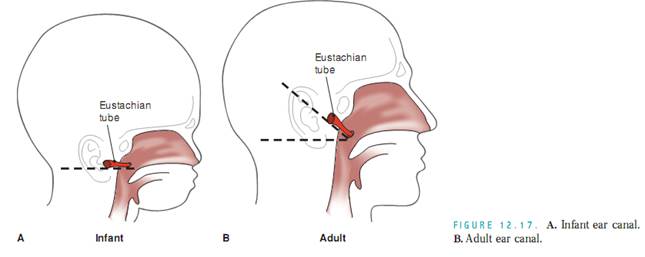
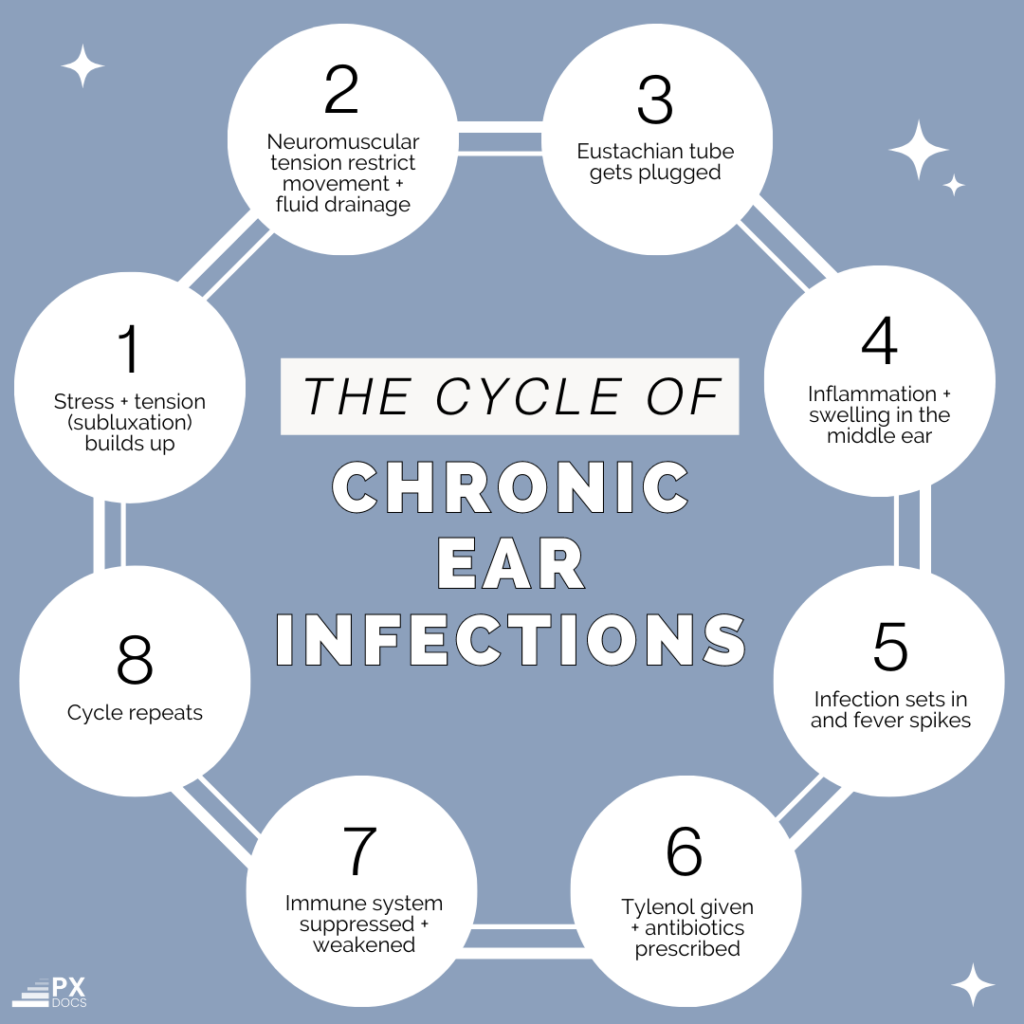
Ear infections, also known as otitis, encompass a variety of conditions affecting the different parts of the ear. These infections can be broadly classified into several types, each with its own set of characteristics and potential complications. Otitis externa, or swimmer’s ear, typically affects the outer ear canal, often resulting from water exposure. Otitis media, the most common type, affects the middle ear, frequently associated with respiratory infections. Another type is otitis interna, affecting the inner ear, potentially leading to more severe hearing problems. Each type requires different approaches to diagnosis and treatment. Understanding the specific type of infection is crucial to guiding effective treatment.
The Impact on Long-Term Auditory Function
Potential Consequences of Untreated Infections
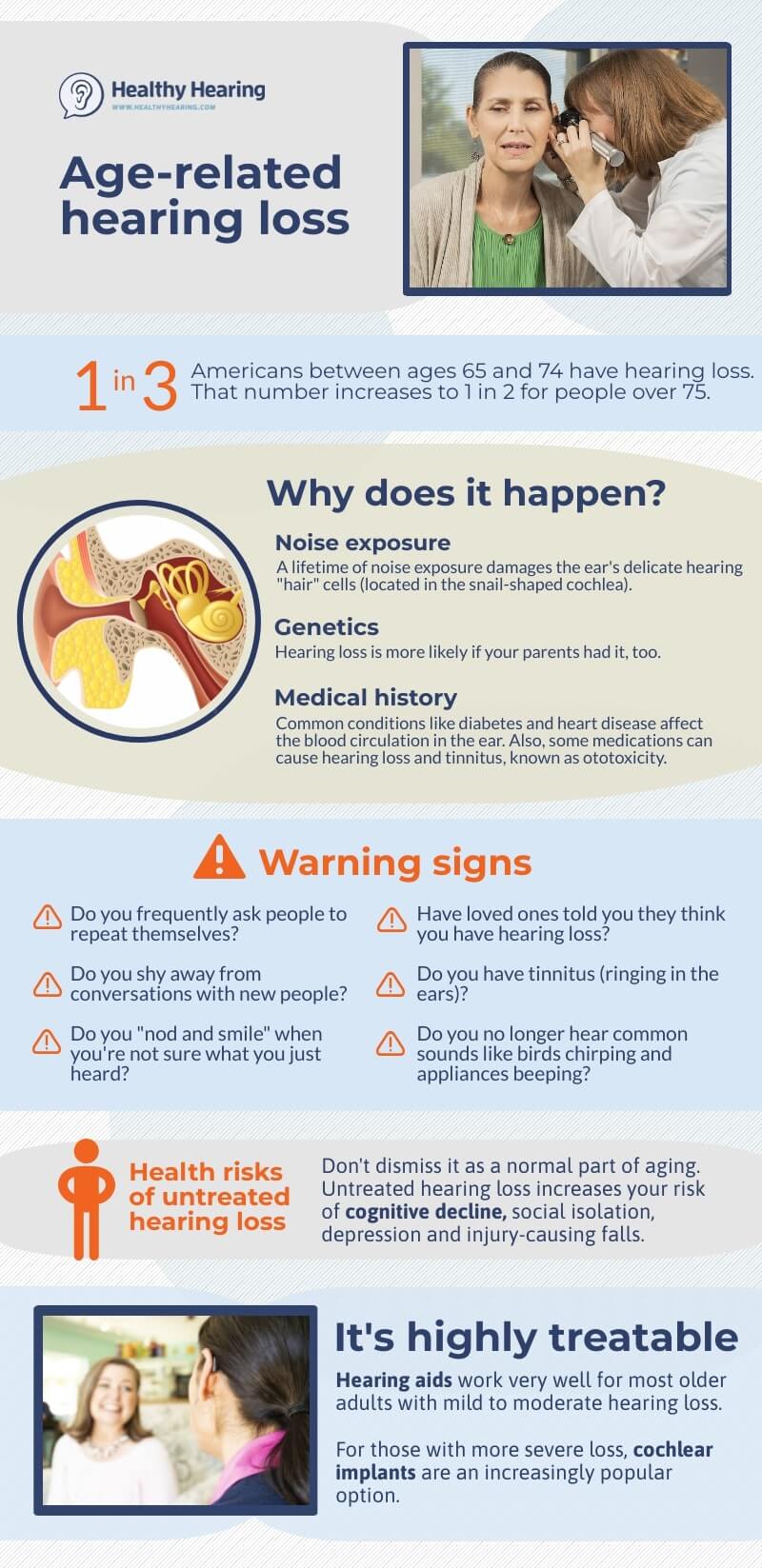
Untreated or inadequately treated ear infections can lead to a variety of long-term complications, significantly impacting auditory function. Repeated or severe infections can damage the delicate structures within the ear, resulting in hearing loss. The damage can range from mild to profound, depending on the severity and duration of the infection. Damage can occur in the eardrum, ossicles, or inner ear structures such as the cochlea, each crucial for hearing clarity. The consequence of hearing loss can affect not only the person’s quality of life, it can impact their interpersonal relationships and professional life. The impact on cognitive functions and overall well-being must also be taken into consideration.
Related Post : Common Causes of Hearing Loss That Often Go Unnoticed
Preventing Ear Infections: Proactive Measures
Lifestyle Choices for Better Hearing
Proactive measures play a crucial role in safeguarding against ear infections. Practicing good hygiene, particularly keeping the ear canal clean and dry, especially for those prone to ear infections, is paramount. Avoiding exposure to irritants and allergens is an essential step. A healthy immune system can act as a primary defense against infectious agents, reinforcing the importance of adequate nutrition and hydration. Proper hydration and rest promote the body’s natural healing process. Maintaining good overall health is essential in preventing and combating infections.
Treatment Strategies for Ear Infections
Options for Managing Ear Infections
A variety of treatments exist for managing ear infections, ranging from over-the-counter pain relievers to prescription antibiotics. Depending on the severity, infection type, and age of the patient, the doctor may recommend medication, or simply rest and watchful waiting. Addressing the underlying cause of the infection, such as a respiratory illness, can accelerate the healing process. For example, addressing a cold or flu can quickly reduce ear infection complications. The right approach depends on the individual patient and their unique circumstances.
Long-Term Management and Support
Monitoring and Addressing Potential Complications
Long-term monitoring is crucial for individuals experiencing hearing difficulties after an ear infection. Regular hearing tests can help identify the presence of any further issues and provide valuable data for monitoring hearing changes. A hearing specialist can provide guidance and ongoing support, especially regarding strategies for managing hearing loss, ensuring accessibility to communication aids or assistive technologies when needed. Support groups can also provide valuable social connections.
In conclusion, ear infections can significantly impact long-term auditory function, potentially leading to permanent hearing loss or other complications. Understanding the different types of ear infections, their potential long-term effects, and proactive preventative measures is crucial for safeguarding auditory health. If you suspect an ear infection or experience hearing changes, seek professional medical attention promptly. Early diagnosis and treatment are key to mitigating long-term damage. Visit an audiologist for regular hearing screenings to monitor your auditory health and ensure any potential issues are addressed.