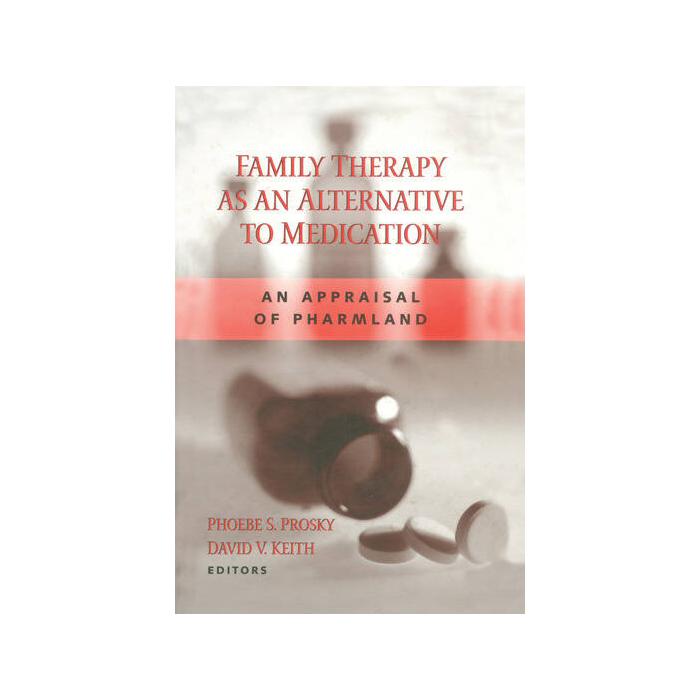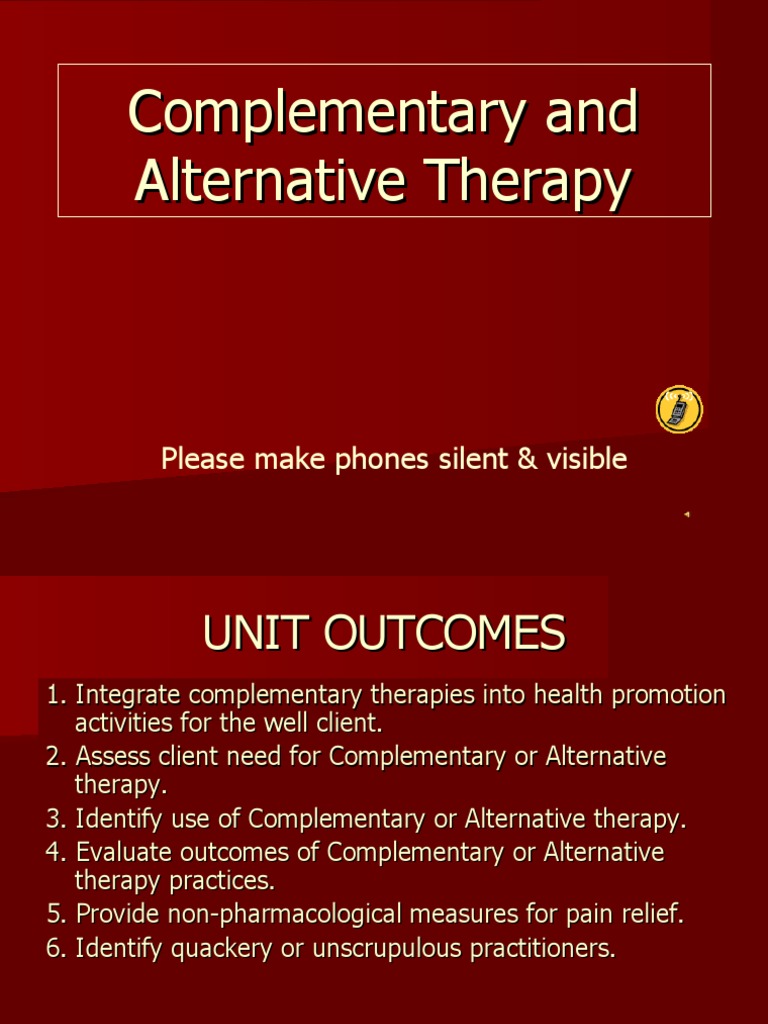
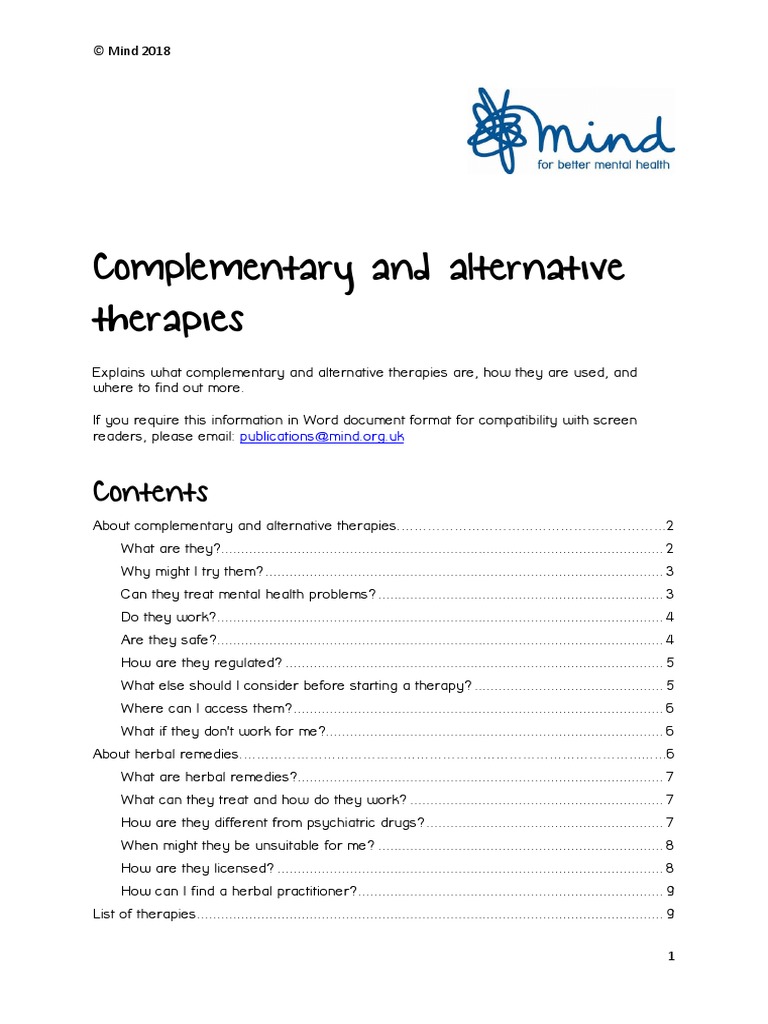
Integrating alternative therapies with conventional healthcare is a growing trend, recognizing the potential benefits of blending traditional and alternative approaches to achieve holistic well-being. This approach offers a personalized and comprehensive strategy for health management. Many people are seeking ways to complement traditional medicine with practices like acupuncture, herbal remedies, or mindfulness techniques. This article explores the multifaceted aspects of integrating alternative therapies and examines how they can be harmonized effectively with conventional healthcare practices to optimize outcomes. We will cover the benefits, potential challenges, and practical strategies for achieving a successful integration. The structure of this article includes a broad overview of the topic, exploring different facets of integration, followed by specific examples, concluding with actionable advice and frequently asked questions.
Understanding the Principles of Integration
Defining Complementary and Alternative Medicine (CAM)
Alternative medicine, also known as complementary and alternative medicine (CAM), encompasses a diverse array of therapeutic practices. CAM techniques range from herbal remedies and acupuncture to meditation and yoga. They are often used in conjunction with conventional medical treatments. Crucially, integrating these practices involves understanding the role and mechanisms of action of these therapies.
The Rationale Behind Integration
The rationale behind integration often stems from a patient’s desire for a more holistic and personalized approach to healthcare. Individuals are actively seeking ways to complement traditional treatments with additional therapies that address their unique needs and concerns. This integrative approach acknowledges the mind-body connection and the role of lifestyle factors in promoting well-being. Many seek alternatives to traditional pain management, mental health support, and enhancing overall wellness.
Exploring the Benefits of Integration
Related Post : Unsure Which Alternative Therapy is Right for You? Making Informed Choices.
Enhanced Treatment Outcomes
Combining conventional and alternative approaches can lead to more effective management of chronic conditions. For example, studies show that acupuncture, combined with conventional pain management for chronic back pain, can offer significant relief, reducing the need for strong medications. Combining conventional cancer treatments and meditation techniques shows potential to manage side effects and improve patient well-being.
Improved Patient Experience
Patients often report increased satisfaction when given the choice to integrate alternative therapies into their treatment plans. This choice can foster a greater sense of empowerment and control over their health journeys. For instance, yoga classes or mindfulness workshops offered at a hospital or clinic can improve patients’ experiences by providing emotional and mental support alongside physical therapy.
Navigating the Challenges of Integration
Ensuring Safety and Efficacy
One of the key challenges in integration is ensuring the safety and efficacy of the combined therapies. It is crucial to coordinate care with licensed healthcare providers familiar with both conventional and alternative methods. This involves careful consideration of potential interactions or contraindications between different treatments. Effective communication and collaboration are essential to avoid adverse effects.
Addressing Regulatory and Ethical Considerations
Regulatory frameworks often vary for alternative therapies across different countries and regions. This disparity creates challenges in standardizing practices and ensuring consistent quality control. Ethical considerations, such as informed consent and disclosure of potential risks and benefits, become paramount in the integration process.
Case Studies and Examples of Successful Integration
Acupuncture and Pain Management
Studies have shown that acupuncture can be an effective complementary therapy for managing chronic pain conditions such as back pain and arthritis. In many cases, acupuncture can reduce reliance on opioid pain relievers, with positive effects on patient outcomes.
Mindfulness and Stress Reduction
Mindfulness and meditation techniques have been integrated into hospitals and clinics to help patients manage stress and improve mental well-being, particularly during cancer treatment. These techniques can help address stress, anxiety and enhance resilience. This approach can improve overall patient care.
Practical Strategies for Integration
Building a Collaborative Relationship
Establishing effective communication and collaboration between conventional and alternative healthcare providers is essential. Open dialogue, shared patient records, and regular consultations are crucial for coordinated care. This collaboration benefits patient care significantly.
Patient Education and Empowerment
Educating patients about the potential benefits, risks, and limitations of alternative therapies is crucial. This ensures informed decision-making and empowers patients to actively participate in their treatment plans. This is crucial for successful outcomes.
Conclusion
The future of healthcare
A holistic approach to healthcare
Holistic and personalized care
In conclusion, integrating alternative therapies with conventional healthcare offers a holistic approach to well-being. By embracing the strengths of both, individuals can achieve optimal health outcomes. This approach often emphasizes patient empowerment and personalized care plans. Consider consulting with both conventional and alternative healthcare providers to explore the best path for your specific needs. Explore these complementary approaches to gain a deeper understanding of how these modalities can effectively enhance your health journey.