Incorporating aromatherapy into your night routine can profoundly impact your sleep quality and overall well-being. Aromatherapy, the therapeutic use of essential oils, has long been recognized for its calming and restorative properties. It can create a deeply relaxing atmosphere, promoting sleep and reducing stress. Many people struggle with insomnia and sleep disorders, impacting their daily lives and overall health. This article will delve into practical techniques to incorporate aromatherapy into your night routine to achieve better sleep, including selecting the right essential oils, creating a conducive bedroom environment, and establishing a consistent sleep schedule. We’ll also explore potential pitfalls and discuss the importance of consulting with a healthcare professional if needed. This comprehensive guide will equip you with the knowledge to create a personalized aromatherapy routine for a more restful and rejuvenating sleep.
Choosing the Right Essential Oils for Sleep
Identifying Calming Essential Oils
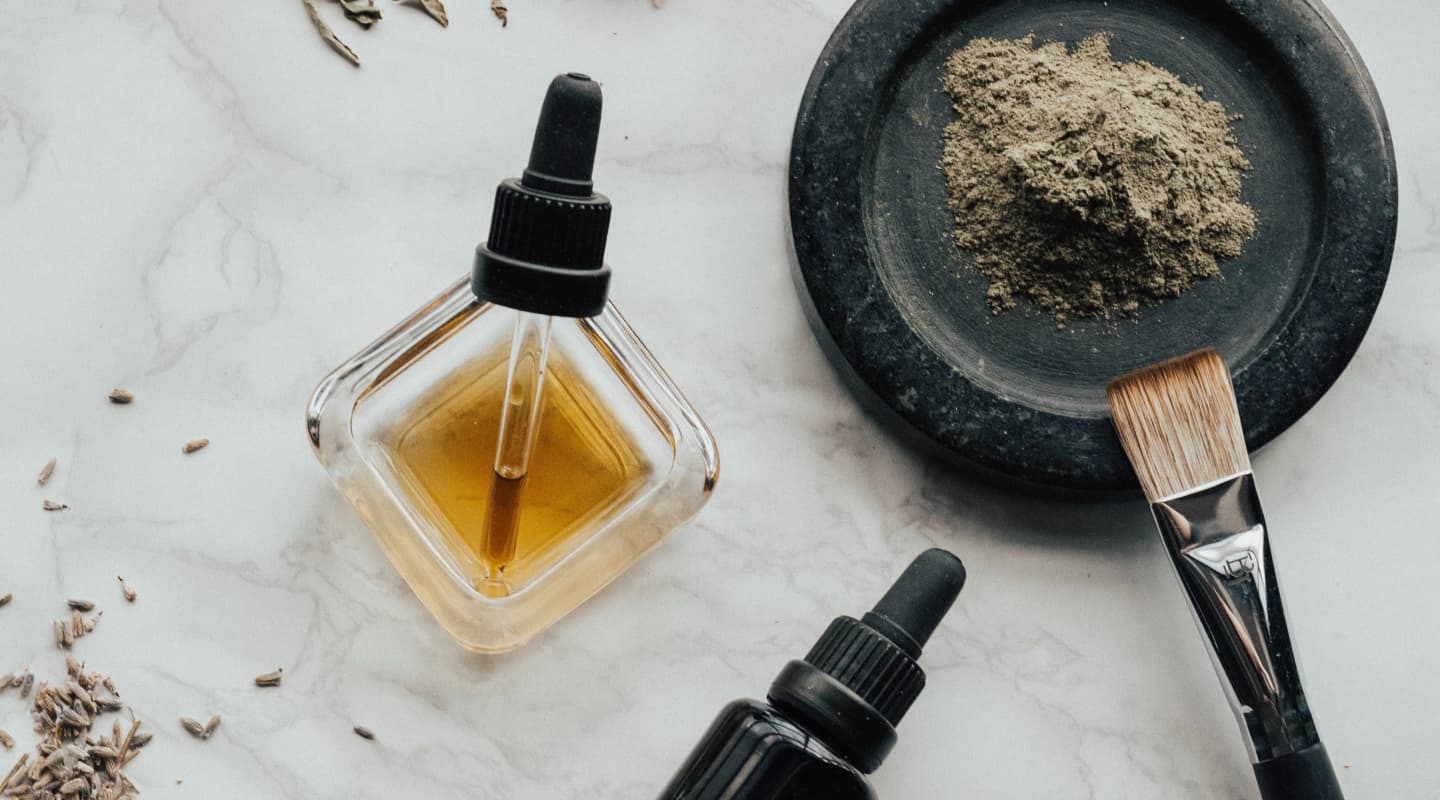
Essential oils are concentrated plant extracts that, when inhaled or diffused, can influence mood, emotions, and even sleep patterns. For a relaxing bedtime routine, certain essential oils are particularly effective in promoting calmness and sleep. Lavender, for example, is widely known for its calming properties and has been used for centuries to ease anxiety and promote sleep. Other excellent choices include chamomile, sandalwood, and ylang-ylang. These oils typically have a soothing fragrance that can help to calm the mind and body, preparing you for sleep. Consider researching and experimenting with different blends to find the ones that resonate best with you.
Essential Oil Combinations
While using single essential oils can be effective, combining them can create even more powerful effects. A blend of lavender and chamomile, for instance, can provide a potent combination of calming and sleep-promoting properties. Some research suggests that combining certain essential oils can enhance their therapeutic effect. For a more personalized blend, consider incorporating other oils like cedarwood or sandalwood, which are known for their grounding and calming effects. Consider experimenting with various combinations to discover the perfect blend for your needs and preferences.
Precautions and Safety Measures
When using essential oils, it’s crucial to prioritize safety. Always dilute essential oils with a carrier oil like jojoba or almond oil before applying them to the skin. This prevents potential skin irritation or allergic reactions. Never ingest essential oils directly, as they can be harmful if swallowed. If you have any pre-existing health conditions or allergies, consult with a healthcare professional before using aromatherapy. Always follow the manufacturer’s instructions and recommended dosages.
Using Essential Oils in Your Bedroom
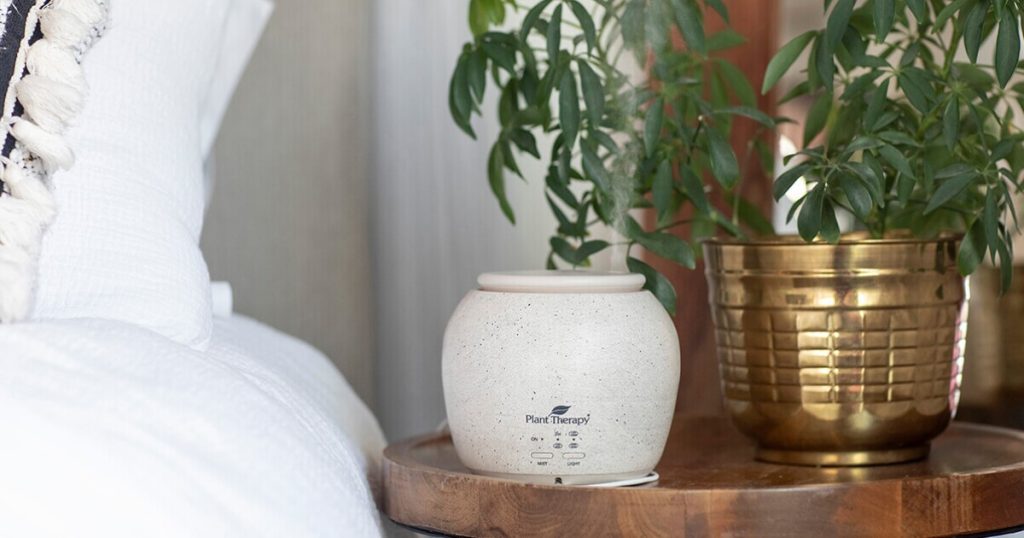
Creating a calming atmosphere in your bedroom can significantly enhance the effectiveness of essential oils for sleep. Using a diffuser to disperse essential oils throughout the room can create a relaxing and sleep-conducive environment. When choosing a diffuser, consider its capacity, noise level, and features to match your preferences. Using a humidifier with essential oils can help add moisture to the air and promote relaxation.
Additional Considerations
The way you use the essential oils also makes a difference. Consider using a few drops on a tissue placed under your pillow to inhale softly throughout the night. A gentle massage with a diluted blend can also encourage relaxation. The effects of essential oils can be quite subtle and personal.
Creating a Relaxing Bedtime Atmosphere
Establishing a Consistent Bedtime Routine
Establishing a consistent bedtime routine is vital for regulating your body’s natural sleep-wake cycle. Going to bed and waking up around the same time each day, even on weekends, helps regulate your internal clock, promoting better sleep. Include relaxing activities such as taking a warm bath, reading a book, or listening to calming music to signal your body that it’s time to wind down.
Optimizing Your Bedroom Environment
Your bedroom should be a sanctuary designed for relaxation and sleep. Make sure your bedroom is dark, quiet, and cool. Use blackout curtains or an eye mask to block out light. Use earplugs or a white noise machine to reduce distracting sounds. Maintaining a comfortable temperature, ideally around 65-70 degrees Fahrenheit (18-21 degrees Celsius), can also significantly impact sleep quality. Consider incorporating nature elements like plants or a soothing color palette.
The Power of Aromatherapy Diffusers
Diffusers are a great way to release essential oils into the air. Aromatic diffusers come in various shapes, sizes, and functionalities. Consider selecting a model that suits your personal needs in terms of scent intensity, noise levels, and aesthetic preferences. Diffusers can create a relaxing and rejuvenating atmosphere in your bedroom.
Incorporating Calming Colors and Textures
Choosing calming colors and textures can add to the relaxing ambiance of your bedroom. Use soft lighting and calming colors like lavender, blue, or green. Incorporate soft textures and comfortable bedding to enhance the overall sense of relaxation. Consider the impact of the textiles and lighting to your sleeping environment.
Nature Connection in Your Bedroom
Bringing nature into your bedroom can create a calming atmosphere. Introduce plants or natural elements to improve the sense of calm and connection with nature, which has a relaxing influence on your overall well-being. Consider the impact of the natural elements and how they connect with your interior design.
Implementing Aromatherapy Techniques for Better Sleep
Diffusing Essential Oils Before Bed
Diffusing essential oils before bed is a popular and effective technique to promote relaxation and sleep. Select a diffuser and place it in your bedroom. Choose a blend of calming essential oils and set the diffuser to release the aroma softly. This will help create a soothing environment that promotes relaxation and sleep.
Applying Essential Oil Blends to Your Skin
Applying a diluted blend of essential oils to your skin can also be very effective. Dilute essential oils with a carrier oil like jojoba or almond oil. Apply a small amount to your wrists, temples, or ankles before bed. Avoid applying essential oils directly to your skin, as this may cause irritation. Pay attention to your personal sensitivity and any reactions to these blends.
Understanding the Impact of Aromatherapy on Sleep
The Psychological Effects of Essential Oils
Essential oils have a significant impact on the psychological aspect of sleep. The aromas of certain essential oils can trigger relaxation and calmness, leading to a reduction in anxiety and stress, which are often associated with sleep difficulties. The soothing nature of essential oil fragrances can create a serene atmosphere, helping to mentally prepare the body for sleep.
Physiological Effects on Sleep Stages
Beyond the psychological aspects, essential oils can also impact physiological processes related to sleep. Studies have shown that certain essential oils, such as lavender, can promote sleep and reduce stress hormones. Creating a relaxing atmosphere reduces the stress response, encouraging the body to transition into sleep more naturally.
The Role of Cognitive Function
Cognitive function plays a key role in falling asleep. Anxiety, stress, and racing thoughts can interfere with the ability to fall asleep. Aromatherapy can help alleviate these factors, promoting a state of calm that aids in cognitive regulation and facilitates the natural transition to sleep.
Combining Aromatherapy with Other Relaxation Techniques
To maximize the benefits of aromatherapy, consider combining it with other relaxation techniques, such as meditation or mindfulness. These practices can reinforce the calming effects of essential oils and further enhance the quality of your sleep.
Importance of Regular Practice
Regular use of aromatherapy techniques for sleep can promote a more consistent sleep pattern. By consistently integrating aromatherapy into your routine, you condition your body and mind to associate the scent and ritual with relaxation and sleep, leading to improved sleep quality over time.
Related Post : Natural Scents That Calm the Mind: Exploring Aromatherapy for Stress Relief
Maintaining a Consistent Sleep Schedule
Establishing a Regular Sleep-Wake Cycle
A consistent sleep-wake cycle is crucial for regulating your body’s natural sleep-wake rhythm (circadian rhythm). This rhythm plays a significant role in your body’s internal clock, impacting various physiological processes. Going to bed and waking up around the same time each day, even on weekends, helps synchronize your body’s internal clock and improves your overall sleep quality.
The Significance of Pre-Sleep Rituals
Creating a calming pre-sleep ritual can signal to your body that it’s time to wind down and prepare for sleep. This could involve a warm bath, reading a book, or listening to calming music. This ritual helps to create a transition between your daily activities and your sleep time.
Optimizing Bedroom Conditions
Maintaining a conducive sleep environment is equally important. Ensure your bedroom is dark, quiet, and cool. Using blackout curtains, earplugs, and a white noise machine can help optimize the sleep environment.
The Connection Between Diet and Sleep
Consider avoiding heavy meals and caffeine or alcohol close to bedtime. These substances can interfere with your sleep quality. Maintaining a healthy and balanced diet can significantly improve your overall well-being and sleep quality.
The Role of Exercise
Regular exercise can contribute to better sleep. Aim for moderate-intensity exercise during the day, but avoid vigorous workouts close to bedtime.
Creating Personalized Aromatherapy Blends
Understanding Individual Preferences
Your personal preferences should guide your aromatherapy choices. Consider the scents that evoke feelings of relaxation and calm in you. Exploring different scents and blends allows you to find the best fit for your preferences.
Combining Essential Oils for Optimal Effects
Creating a blend of essential oils can enhance their synergistic benefits. Experiment with different combinations of oils and discover your unique preferences. This personalization allows you to customize your sleep environment and enhance the effectiveness of aromatherapy.
Considering Lifestyle Factors
Your lifestyle and emotional state can influence the selection of essential oils. Consider any stresses you’re experiencing and how essential oils can soothe your mind and body.
Conclusion
Incorporating aromatherapy into your nightly routine offers a unique pathway to improve sleep quality and promote well-being. By thoughtfully selecting essential oils and creating a relaxing atmosphere, you can transform your bedtime routine into a peaceful and restorative experience.
FAQ
Does aromatherapy work for everyone?
While aromatherapy is often beneficial, individual responses to essential oils can vary. Experimentation and careful observation of your personal reactions are key. Some individuals may not experience the desired effects, which can depend on individual sensitivities. Be mindful of your personal responses to ensure your safety and well-being.
How long should I use the diffuser to get the best effect?
Generally, using a diffuser for 30 minutes to an hour before bed can create a conducive atmosphere. Adjust the duration based on the intensity of the scent you prefer. Experiment with different durations to discover what works best for you.
Incorporating aromatherapy into your nightly routine can significantly improve your sleep quality and overall well-being. By carefully selecting essential oils, creating a relaxing atmosphere, and establishing a consistent sleep schedule, you can harness the power of aromatherapy to cultivate a peaceful and rejuvenating bedtime experience. Experiment with different blends and techniques to discover what works best for you. Remember to prioritize a healthy sleep hygiene routine to maximize the benefits of aromatherapy. Consider consulting with a sleep specialist or aromatherapist for personalized recommendations if needed. Sweet dreams!