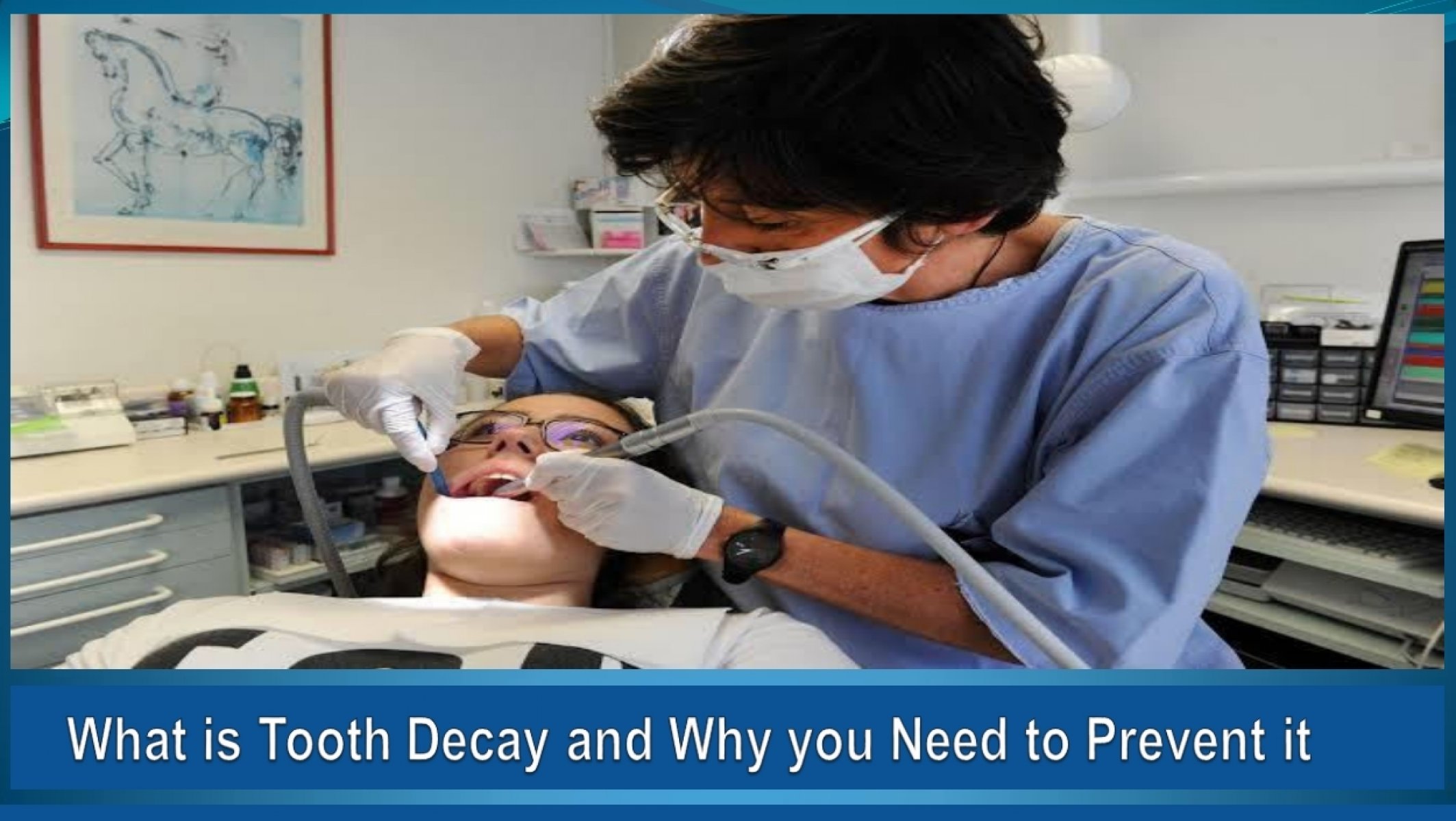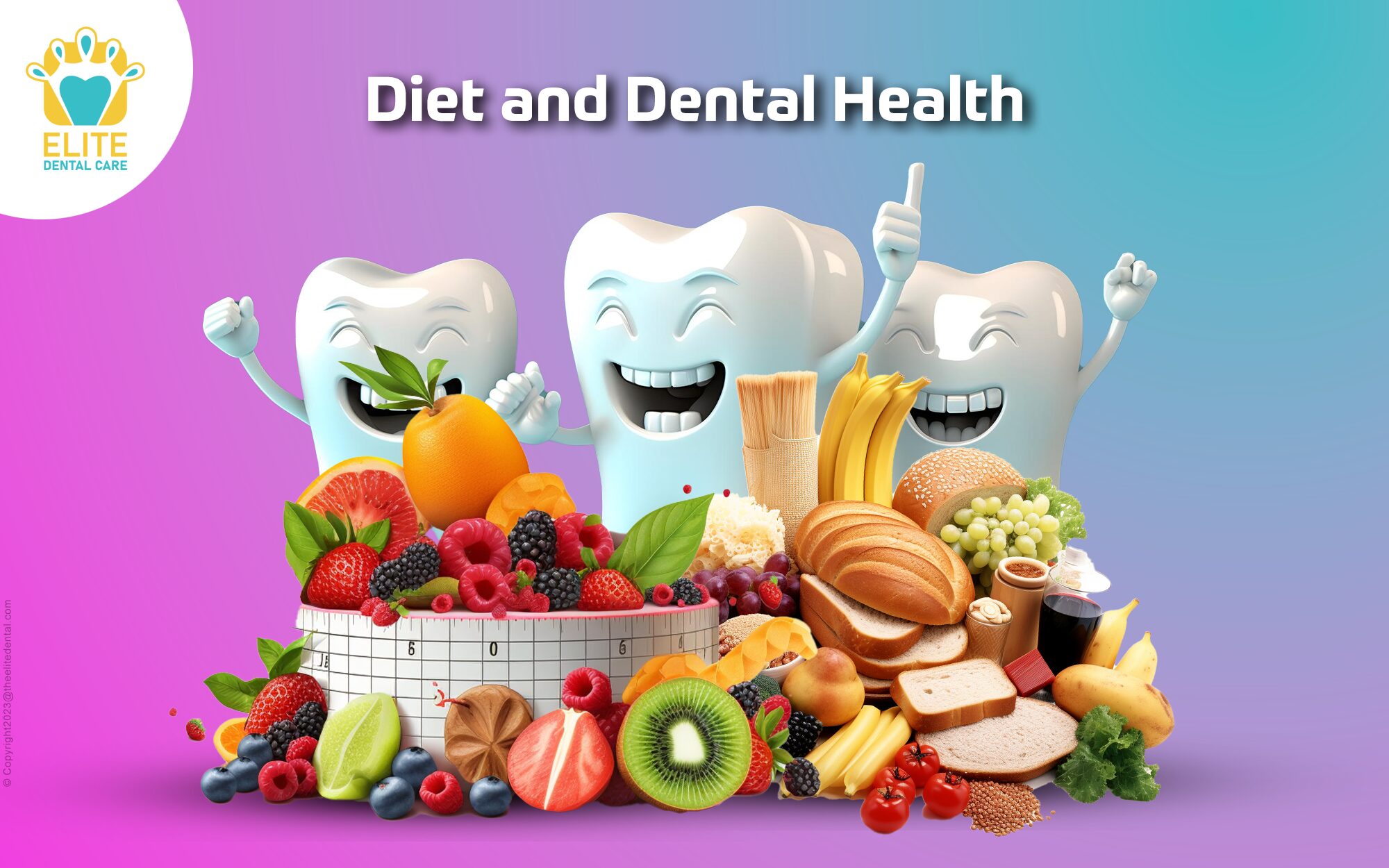

Diet choices influence dental health every day, profoundly impacting the well-being of your teeth and gums. A balanced diet provides essential nutrients that support healthy oral tissues, while poor dietary habits can increase your susceptibility to cavities, gum disease, and other dental issues. This comprehensive guide explores the intricate link between food choices and oral health, identifying key nutrients and addressing common dietary pitfalls. We’ll delve into the impact of specific food groups, sugary drinks, and processed foods on your mouth, presenting actionable strategies to maintain optimal dental hygiene throughout your life. This article is structured to help you understand the essential connection between your food choices and your oral health. We’ll explore how different foods affect your teeth and gums, outlining the importance of a balanced diet and highlighting potential risks associated with certain dietary habits.
The Vital Connection Between Diet and Dental Health
The Role of Nutrients in Oral Health
Maintaining healthy teeth and gums hinges on a well-balanced diet rich in essential nutrients. Key nutrients play a critical role in supporting strong enamel, healthy gums, and preventing oral diseases. Calcium, vitamin D, and phosphorus are fundamental for strong tooth structure, while vitamin C contributes to healthy gum tissue. A diet lacking these crucial nutrients can weaken teeth and gums, increasing the risk of cavities and gum disease. Studies have shown a strong correlation between a balanced diet and decreased instances of tooth decay.
The Negative Impact of Sugary Foods and Drinks
Excessive consumption of sugary foods and drinks is a significant contributor to tooth decay. Sugary foods adhere to tooth surfaces and provide a breeding ground for harmful bacteria. These bacteria produce acids that erode tooth enamel, leading to cavities and potential complications. Processed foods, with their high sugar and carbohydrate content, also contribute significantly to oral health problems. The frequency of consumption of these foods and drinks can play a role, with more frequent exposures contributing to a higher risk.
The Impact of Specific Food Groups on Dental Health
Related Post : The Importance of Regular Check-Ups in Preventing Tooth Decay
Healthy Foods for a Healthy Mouth
Fruits and vegetables provide essential vitamins and minerals vital for overall health, and oral health, including vitamin C. The natural fiber content contributes to healthy gum stimulation and saliva production. Incorporating plenty of fruits, vegetables, and whole grains into your diet is beneficial in maintaining oral health.
Foods to Limit or Avoid
Excessive consumption of acidic foods like citrus fruits, carbonated beverages, and processed foods can erode tooth enamel, increasing the risk of cavities. While occasional consumption of these foods is acceptable, moderation is key to preserving the health of your teeth and gums. The acidity levels of certain foods like citrus fruits can have a corrosive effect on tooth enamel, over time.
Preventing and Managing Oral Health Issues
The Importance of Oral Hygiene Practices
Maintaining good oral hygiene practices is crucial for preventing and managing oral health issues. Regular brushing, flossing, and rinsing with mouthwash are essential steps in removing food particles and plaque. Frequent check-ups with a dentist are also vital for early detection and treatment of oral problems, along with maintaining a well-balanced diet. These practices complement a healthy diet, ensuring maximum oral health benefits.
Dietary Strategies for Optimal Oral Health
In addition to regular oral hygiene, dietary modifications can significantly improve oral health. This includes limiting sugary foods and drinks, opting for foods rich in vitamins and minerals, and consuming water between meals. Water acts as a natural cleanser, removing food particles from the mouth. Consider drinking water frequently and avoiding sugary drinks whenever possible.
Long-Term Effects of Dietary Choices
The Cumulative Impact of Dietary Habits
Over time, consistent dietary choices can influence the long-term health of your teeth and gums. A diet rich in sugar and acidic foods can lead to the development of cavities, gum disease, and even tooth loss. Conversely, a diet emphasizing whole foods, fruits, and vegetables can help maintain healthy teeth and gums and prevent oral problems. The sustained effects of diet make it critical to form healthy long-term habits.
Dietary Considerations for Specific Conditions
Individuals with certain medical conditions, such as diabetes or acid reflux, may have specific dietary needs to manage their condition and protect their oral health. Consulting a healthcare professional or dentist for personalized dietary advice can help you create a plan to manage your specific requirements. This advice is for informational purposes only and does not substitute personalized medical recommendations. Consult with your dentist or a medical professional for any specific concerns.
The Role of Hydration in Maintaining Oral Health
The Importance of Water
Drinking plenty of water throughout the day is crucial for maintaining oral health. Water acts as a natural cleanser, rinsing away food particles and bacteria. Regular water intake can also help maintain a healthy balance of saliva, which is important for neutralizing acids and protecting tooth enamel.
Additional Hydration Strategies
Besides water, consider incorporating other hydrating drinks like unsweetened tea or diluted fruit juice into your diet. These can aid in maintaining hydration while avoiding excessive sugar consumption, further supporting a healthy oral environment. The presence of bacteria in the mouth can also be influenced by diet and hydration, with sufficient hydration reducing the impact of oral bacteria.
In conclusion, your diet choices significantly impact your oral health. Prioritizing a balanced diet rich in essential nutrients, including calcium, vitamin D, and fiber, can support strong teeth and gums. By incorporating these strategies into your daily routine, you can actively safeguard your dental well-being and maintain a healthy smile. Want to take charge of your dental health today? Learn more about dietary recommendations for optimal oral health, and discover actionable steps to elevate your daily habits by visiting our resources page!