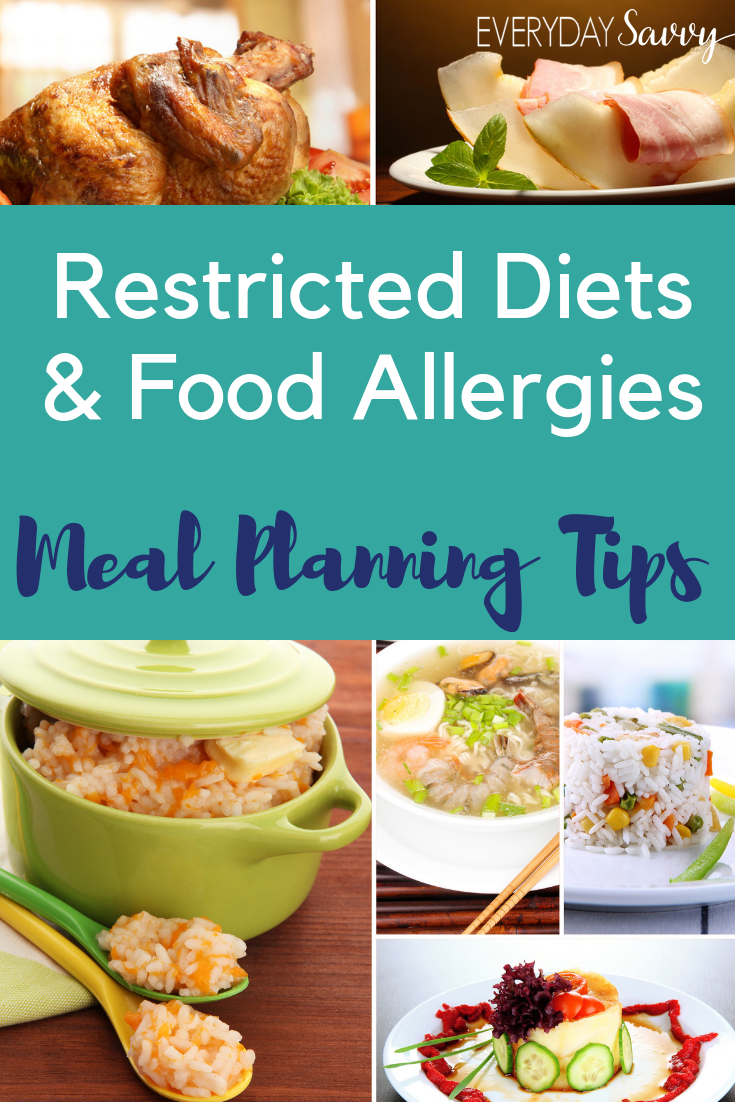

Food allergies are making meal planning a challenge for many. This article dives deep into strategies for creating enjoyable and safe meals, specifically targeting the practical aspects of managing food allergies during the meal planning process. Food allergies, impacting millions worldwide, require careful attention to ensure both enjoyment and safety. Many face difficulties in planning meals due to the need to identify and avoid allergens. This article will tackle this challenge by outlining key strategies for success in planning meals for those with food allergies. This article will cover everything from understanding food labels to strategies for avoiding cross-contamination. We’ll also discuss creative recipe ideas to make meals allergy-friendly, delicious, and enjoyable for the whole family or individual.
Understanding Food Allergies and Their Impact on Meal Planning
Recognizing the Spectrum of Food Allergies
Food allergies vary significantly in their severity and triggers. Some people may have mild reactions, while others experience severe anaphylaxis. Mild reactions may involve skin rashes, hives, or digestive issues, while severe reactions can be life-threatening. This understanding is crucial when designing meal plans.
Mastering Food Labels and Ingredient Lists
Deciphering Hidden Allergens
Food labels are a crucial tool in navigating food allergies. A deep understanding of ingredients is essential to identify potential allergens, particularly hidden ones. For instance, certain processed foods may contain unexpected allergens like nuts in sauces or dairy in seemingly innocuous ingredients like seasoning mixes.
Strategically Avoiding Cross-Contamination
Preventing Accidental Exposure
Cross-contamination is another significant concern for individuals with food allergies. Contamination can occur when utensils, cutting boards, or cooking surfaces come into contact with allergens without proper cleaning. To prevent cross-contamination, use separate cutting boards and utensils for allergens, thoroughly wash all surfaces after use, and ensure proper storage to prevent accidental contact. For example, if prepping a peanut butter sandwich, use a separate cutting board and knife from the one used for other foods.
Exploring Allergy-Friendly Recipe Ideas
Creative Culinary Solutions
Finding allergy-friendly recipes that are both tasty and nutritious can be challenging. There are plenty of readily accessible resources online and in cookbooks specifically designed for individuals with food allergies. Many recipes can be easily adapted to suit dietary needs. Consider exploring online communities and platforms dedicated to allergy-conscious cuisine.
Related Post : Persistent Sneezing and Itching? Understanding Your Allergy Triggers.
The Importance of Communication and Education
Open Dialogue for Safety
Communicating openly with family members, friends, and restaurant staff about food allergies is essential for a safe and enjoyable experience. Proper communication helps to avoid accidental exposure and prevents potentially serious consequences. This might involve providing detailed information about allergies or even having a dedicated conversation with the chef for a safe dining experience.
Meal Planning Tips for Food Allergies
Practical Tips for Success
For people dealing with food allergies, meal planning requires a proactive and structured approach to avoid cross-contamination and to satisfy nutritional needs. Meal planning is particularly important to avoid accidental exposure to allergens, ensuring a safe experience for individuals with food allergies and those preparing the meals.
Creating Delicious and Allergy-Friendly Meals
Delicious and Safe Cuisine
Creating satisfying meals while avoiding food allergens can be achieved with some simple adjustments. By adopting some practical meal planning tips and utilizing innovative allergy-friendly recipes, people with food allergies can easily enjoy safe and delicious foods. Understanding food labels and ingredients, avoiding cross-contamination, and exploring suitable recipes are all integral to successful meal planning for those with food allergies.
Resources for Support and Education
Support Networks for Allergy Management
Connecting with support networks can provide valuable information and insights on various allergy-related topics. These support networks offer valuable resources and advice, offering encouragement and support to those navigating the challenges of managing food allergies.
In conclusion, food allergies can significantly impact meal planning, but with careful planning, understanding of labels, and awareness of potential cross-contamination, individuals with food allergies can still enjoy delicious and safe meals. This article has provided valuable strategies for successfully navigating food allergies and creating delicious, allergy-friendly meals. Consider exploring online resources and consulting with a registered dietitian or allergist for personalized advice on your specific needs. Are you ready to conquer food allergies and create enjoyable meals? Start planning today!