Dealing with unexpected allergic reactions can be terrifying. The sudden onset of symptoms, ranging from mild discomfort to life-threatening anaphylaxis, can leave individuals feeling overwhelmed and confused. Understanding the potential hidden causes behind these reactions can empower individuals to take proactive steps to protect their health and well-being. This guide delves into the complex world of allergic responses, providing practical insights on identifying triggers, managing symptoms, and developing personalized action plans for managing future unexpected allergic reactions. We’ll explore hidden causes, symptom identification, and strategies for preventing future episodes. This article will cover the different types of allergic reactions, how to identify potential hidden triggers, and what steps you can take to manage the situation.
Understanding Allergic Reactions
Types of Allergic Reactions
Allergic reactions manifest in diverse ways, affecting various parts of the body. Some individuals experience mild reactions such as skin rashes, itching, or hives, while others may experience more severe reactions such as difficulty breathing, swelling of the throat, and anaphylaxis, which is a life-threatening condition. Understanding the different types of allergic reactions and their potential triggers is crucial for effective management.
Identifying Common Triggers
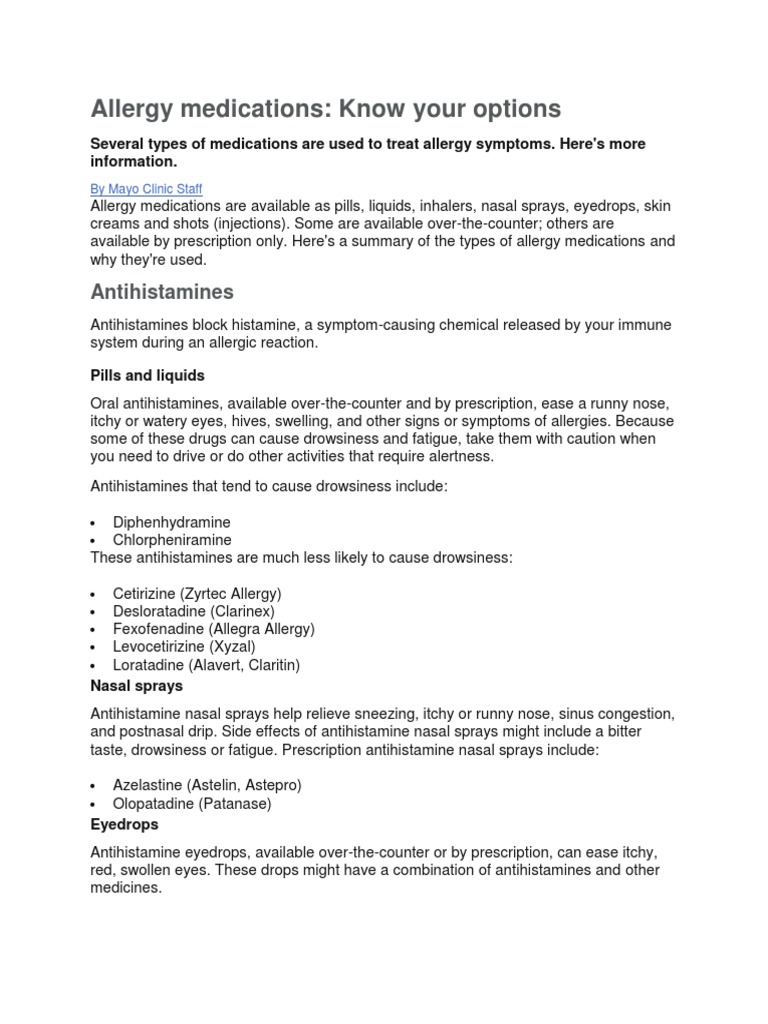
Common triggers for allergic reactions include various substances, often categorized as food allergens, environmental allergens, and drug allergens. Food allergens, such as peanuts, tree nuts, milk, eggs, and shellfish, can provoke severe reactions in susceptible individuals. Environmental allergens such as pollen, dust mites, and animal dander can also trigger allergic reactions, particularly in people with seasonal allergies or asthma. Drug allergies, while less frequent than food or environmental allergies, can lead to serious systemic reactions and should be considered in the case of unexpected reactions to medication.
Identifying Hidden Causes
Related Post : Persistent Sneezing and Itching? Understanding Your Allergy Triggers.
Exploring Potential Triggers
Beyond the obvious triggers, hidden causes of allergic reactions can be elusive and challenging to pinpoint. Often, delayed reactions or subtle symptoms can mask the true culprit. Cross-reactivity, where an allergen triggers a reaction to a seemingly unrelated substance, is another important factor to consider. Sometimes, hidden causes might be related to a combination of triggers or factors, which complicates the diagnostic process.
Investigating Cross-Reactivity
For example, individuals allergic to certain fruits might also experience cross-reactivity with pollen or latex, complicating diagnosis. Identifying these hidden patterns through careful medical observation and allergy testing is crucial. This often requires a combination of approaches, including detailed medical histories, food diaries, and skin prick tests.
Managing Allergic Reactions
Recognizing Symptoms
Early recognition of symptoms is paramount for managing allergic reactions effectively. The symptoms can vary greatly depending on the individual and the specific allergen involved. Common symptoms include itching, hives, swelling, difficulty breathing, and gastrointestinal distress. Recognizing the specific pattern of symptoms is important in determining the nature of the allergic reaction. In certain instances, symptoms may be subtle and delayed, necessitating careful observation and immediate medical attention.
Taking Action
Prompt action is critical in allergic reactions. If an individual experiences symptoms, immediate steps should be taken to manage the situation, such as administering epinephrine auto-injectors (EpiPens) or seeking immediate medical attention. A well-defined action plan, established in consultation with a healthcare provider, can be instrumental in mitigating the severity of reactions.
Preventing Future Reactions
Avoiding Known Triggers
Preventing future allergic reactions often involves rigorous avoidance of known triggers. This proactive approach involves carefully reading food labels, avoiding certain environments, and being cautious when taking medications. Individuals with severe allergies should carry a medical alert bracelet and inform others about their condition. This precaution is vital for both their own well-being and for those around them.
Regular Monitoring and Allergy Testing
Regular monitoring and allergy testing are important for ongoing management of allergic reactions. Allergy specialists can help identify and manage specific triggers, helping individuals to lead healthier lives. Allergen immunotherapy, a treatment that desensitizes the body to allergens, is often an effective long-term solution.
The Role of Genetics
Genetic Predisposition
Genetic predispositions play a significant role in susceptibility to allergic reactions. Family history of allergies often increases the likelihood of developing allergic responses. Understanding this genetic component can help individuals understand their risk and adopt proactive measures to protect their health.
Environmental Factors and Allergies
Environmental factors, including exposure to certain chemicals or toxins, can also influence the development of allergic reactions. Understanding these factors can lead to preventive measures for future occurrences.
In conclusion, dealing with unexpected allergic reactions requires a proactive approach. Understanding the triggers, recognizing the symptoms, and seeking appropriate medical assistance are crucial steps to manage the situation effectively. This proactive approach, coupled with identifying potential hidden causes, empowers individuals to better control their health and well-being when confronted with unexpected allergic responses. Consult your physician or allergist to develop a personalized action plan in case of future unexpected allergic reactions.