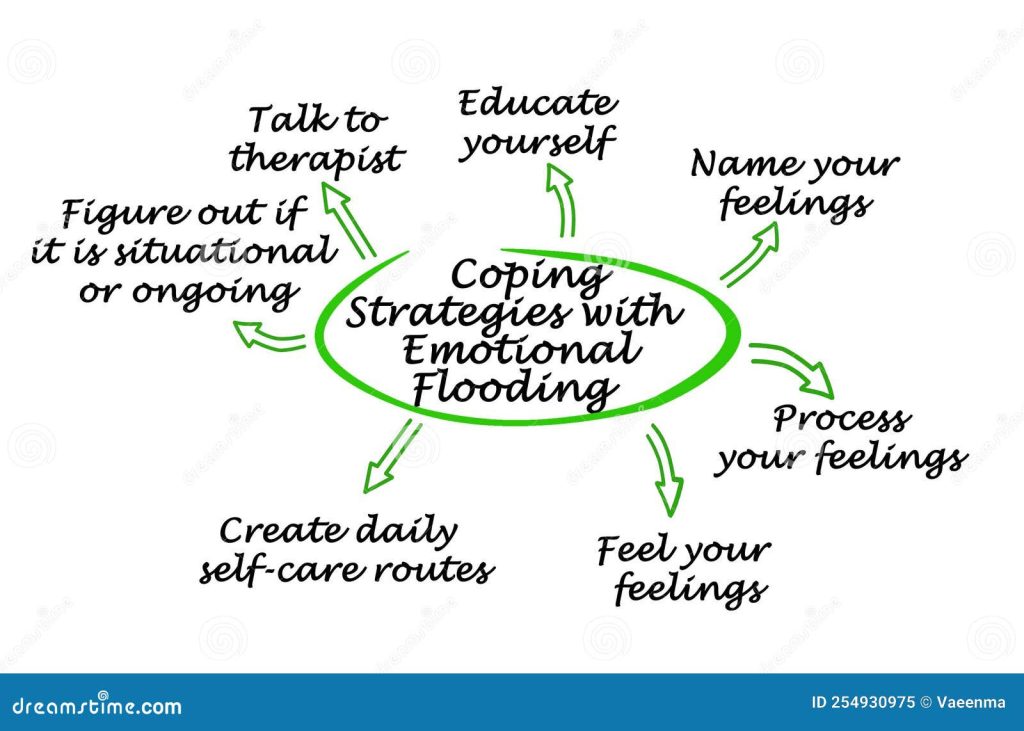
Coping strategies are crucial for maintaining long-term emotional stability. Facing daily stressors, navigating relationships, and overcoming challenges requires a robust toolkit of coping mechanisms. This article dives into a comprehensive exploration of proven strategies to foster emotional resilience and stability. We’ll delve into various techniques, from mindfulness practices to healthy lifestyle choices, illustrating how these methods create a solid foundation for navigating life’s inevitable ups and downs. The structure of this article includes defining coping strategies, exploring different types, highlighting their practical application, and ultimately empowering you to implement these techniques in your daily life.
Understanding Coping Strategies
Defining Coping Strategies
Coping strategies are the conscious and unconscious methods individuals employ to manage stress, challenges, and emotional distress. These mechanisms, whether healthy or unhealthy, help individuals navigate difficult situations. They can range from simple relaxation techniques to seeking professional support. A key element in emotional stability is recognizing and choosing effective coping strategies.
Identifying Emotional Challenges
Many face significant emotional challenges during their life, such as grief, loss, anxiety, or trauma. Identifying the root cause of emotional distress is the first step to finding appropriate coping strategies. Recognizing patterns in stressful situations can also be vital for identifying triggers and developing coping mechanisms.
Mindfulness and Meditation Practices
Related Post : The Hidden Symptoms of Depression That Many Overlook
Mindfulness Techniques
Mindfulness practices, which focus on present-moment awareness, have demonstrated significant benefits in managing stress and improving emotional regulation. These methods involve paying attention to thoughts, feelings, and bodily sensations without judgment. Practicing mindful breathing or body scans can help anchor individuals in the present, reducing anxiety and promoting a sense of calm. Studies show that regular mindfulness can lead to reduced stress hormones and improved emotional regulation.
Meditation for Emotional Stability
Meditation is a powerful tool for fostering emotional stability. Through consistent meditation practice, individuals can develop a greater awareness of their thoughts and emotions, reducing reactivity and promoting self-regulation. Various types of meditation, including loving-kindness meditation, can cultivate positive emotions and empathy.
Cognitive Behavioral Therapy (CBT) and Emotional Regulation
CBT Techniques for Emotional Well-being
Cognitive Behavioral Therapy (CBT) is a widely recognized therapy approach that emphasizes the connection between thoughts, feelings, and behaviors. CBT techniques aim to identify and challenge negative thought patterns that contribute to emotional distress. Through cognitive restructuring, individuals can learn to reframe their thinking, leading to healthier emotional responses.
Journaling and Self-Reflection
Regular journaling and self-reflection can be a valuable coping mechanism for processing emotions and gaining insights. By documenting thoughts, feelings, and experiences, individuals can gain clarity about patterns and triggers, leading to more effective coping mechanisms.
Healthy Lifestyle Choices and Emotional Well-being
Balanced Diet and Emotional Stability
Maintaining a balanced and nutritious diet is essential for overall well-being, including emotional health. A diet rich in fruits, vegetables, and lean proteins provides essential nutrients that support brain function and mood regulation. Conversely, a diet high in processed foods or lacking essential nutrients can negatively impact emotional stability and increase stress levels.
Importance of Physical Activity
Engaging in regular physical activity has been shown to have significant positive effects on mental health. Physical activity releases endorphins, which have mood-boosting properties. Exercise can help regulate stress hormones, reduce anxiety, and improve sleep quality, all contributing to emotional stability.
Seeking Support and Building Healthy Relationships
Importance of Social Connections
Strong social support systems are vital for emotional well-being. Sharing experiences and feelings with trusted friends, family, or support groups can provide comfort, validation, and a sense of belonging. Social connections can buffer against stress and promote emotional resilience.
Professional Help and Support Systems
When coping strategies are not sufficient, seeking professional help from therapists or counselors is a sign of strength. They can provide personalized guidance and support tailored to individual needs. Support groups or online communities can also provide a safe space to connect with others facing similar challenges.
Building Resilience Through Coping Mechanisms
Identifying Personal Strengths
Understanding and leveraging personal strengths can be a powerful coping mechanism. Identifying strengths such as problem-solving skills, resilience, or creativity allows individuals to use them proactively to navigate challenges.
The Role of Self-Compassion in Coping
Cultivating Self-Compassion
Practicing self-compassion involves treating yourself with the same kindness and understanding you would offer a friend facing a difficult situation. This involves acknowledging difficult emotions and treating yourself with empathy and support.
The Importance of Setting Boundaries and Prioritization
Setting Healthy Boundaries
Establishing clear boundaries with others can help protect your energy and well-being. This involves recognizing and respecting your needs and limits. Knowing how to say no, and prioritizing your well-being, is an essential aspect of healthy coping.
Using Humor as a Coping Mechanism
Humor and Emotional Well-being
Humor can be a powerful coping mechanism. Laughing and finding humor in challenging situations can help reduce stress and promote emotional well-being. Surrounding yourself with positive and supportive people is also crucial for managing stress and developing resilience.
In conclusion, cultivating coping strategies for long-term emotional stability is an ongoing journey. By understanding and implementing the diverse methods discussed, individuals can build resilience and navigate life’s challenges with greater ease. Remember, seeking professional help when needed is a sign of strength, not weakness. Consider scheduling a consultation with a therapist or counselor to explore these strategies further and tailor them to your specific needs. This proactive approach to emotional well-being can contribute significantly to a more fulfilling and stable life.