Common mistakes disrupting barrier function and glow are surprisingly prevalent in skincare routines. These seemingly minor errors can have a significant impact on your skin’s health, leading to dryness, irritation, and even more serious issues. This article will explore the most frequent missteps that hinder skin’s barrier function, unveiling practical solutions to restore and maintain a healthy glow. We’ll examine problematic skincare routines, ingredient pitfalls, and external factors, providing a comprehensive approach to achieving optimal skin health. This article will be broken into sections focusing on specific areas of concern to improve clarity and provide easy-to-understand solutions.
Over-Exfoliation: A Common Pitfall:
Understanding Exfoliation:
Exfoliation is a crucial part of many skincare routines, aimed at removing dead skin cells and promoting cell turnover. However, excessive exfoliation can damage the skin barrier, leading to dryness, redness, and sensitivity. The skin’s natural barrier protects it from environmental aggressors, and over-exfoliation can disrupt this protective layer. The barrier function is vital for maintaining hydration, preventing moisture loss, and shielding skin from pathogens. Excessively harsh scrubs or chemical exfoliants can cause micro-tears in the skin, leaving it vulnerable.
The Impact on Barrier Function:
Frequent or aggressive exfoliation can lead to inflammation and irritation, disrupting the skin’s lipid barrier. This disruption makes the skin more susceptible to environmental stressors, such as pollution and UV exposure. As a result, the skin becomes prone to dryness, itching, and tightness. Prolonged irritation can also lead to long-term skin damage and compromise the skin’s ability to protect itself, making it less resilient to external factors. Studies show that repeated, harsh exfoliation can lead to increased transepidermal water loss (TEWL), contributing to dryness and barrier dysfunction.
The Right Approach:
Opt for gentle exfoliation methods, such as chemical exfoliants with lower concentrations or physical exfoliants with soft grains. Use exfoliants only 1-2 times per week, or as directed by a dermatologist. Listen to your skin’s signals, adjusting your routine based on its response. It is important to follow up with a hydrating moisturizer immediately after exfoliation to help restore the skin’s moisture barrier.
Inappropriate Skincare Ingredient Selection:
The Role of Ingredients:
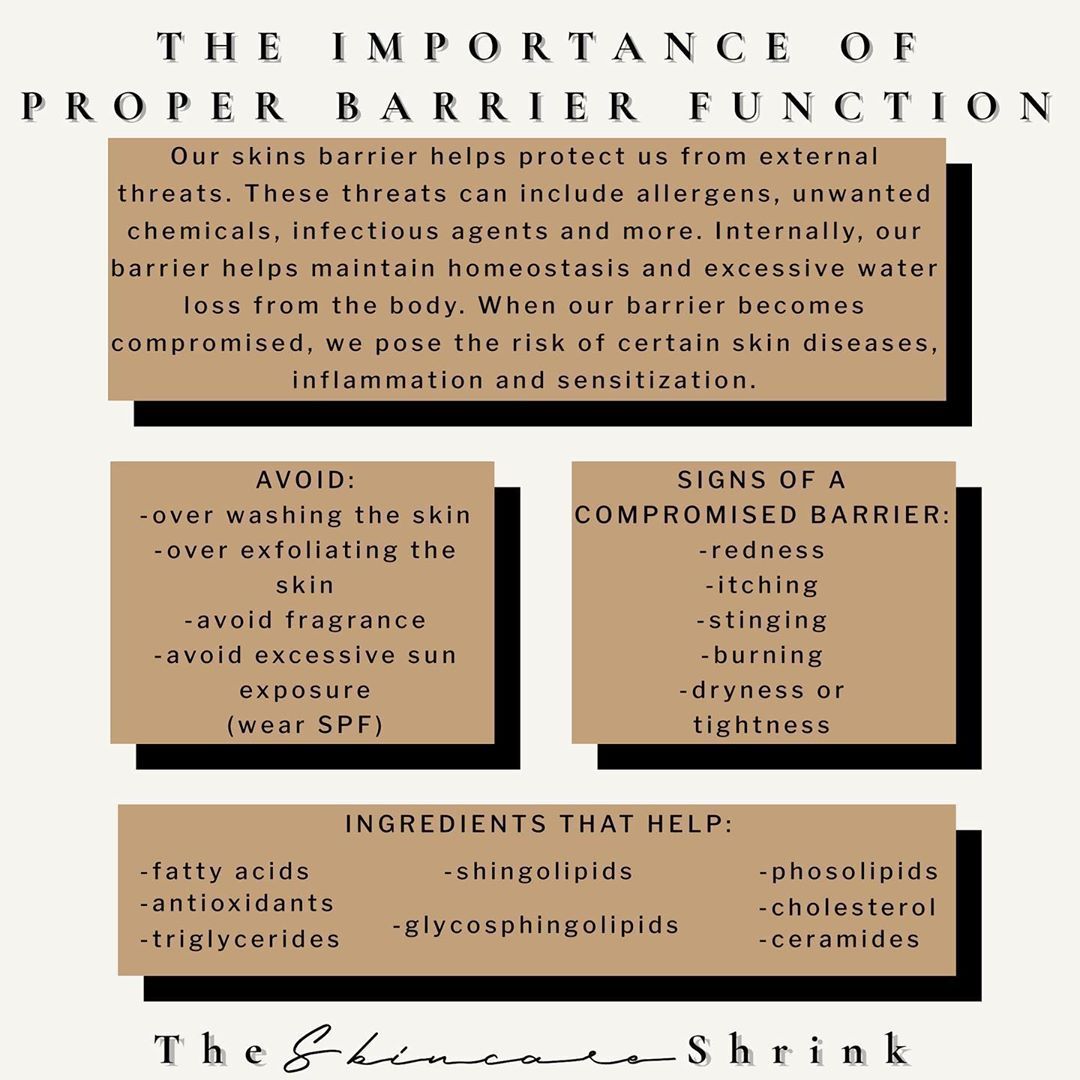
Skincare ingredients play a significant role in maintaining skin health. However, some ingredients can disrupt the skin barrier. Harsh chemicals, fragrances, and alcohol are examples of potential irritants. These ingredients can strip the skin of its natural oils, leading to dryness and inflammation. This can disrupt the skin’s natural barrier, impacting both its structural integrity and function.
Ingredient Sensitivity:
Many people are sensitive to certain ingredients, even those considered safe for general use. Some ingredients may trigger allergic reactions, inflammations, or other adverse reactions in sensitive skin, causing irritation, redness, and even rashes. It’s crucial to research ingredients and understand how they interact with your skin. If you’re unsure about an ingredient, consult a dermatologist. Testing new products on a small patch of skin before full application can also prevent unwanted reactions.
Choosing the Right Ingredients:
Prioritize products with a focus on hydrating and repairing the skin barrier. Opt for fragrance-free and hypoallergenic options to minimize the risk of irritation. Ingredients that support barrier function, such as ceramides, hyaluronic acid, and glycerin, can help maintain hydration and protect the skin.
Neglecting Hydration:
Importance of Hydration:
Proper hydration is essential for maintaining a healthy skin barrier. Dry skin is more vulnerable to damage and irritation, as the protective layer is compromised. Maintaining adequate moisture levels helps to keep the skin’s barrier intact. Adequate hydration ensures the skin can effectively hold onto moisture. Sufficient hydration also strengthens the skin’s natural defense mechanisms, ensuring that it can respond effectively to environmental stressors.
The Impact on Barrier Function:
Without proper hydration, the skin loses its elasticity and resilience, which can also disrupt the skin barrier function. This leads to decreased skin barrier function, increased trans epidermal water loss, and makes it more vulnerable to environmental stressors. Maintaining healthy hydration levels are crucial to prevent moisture loss and maintain skin elasticity.
Hydration Strategies:
Implementing a daily moisturizing routine is key. Choosing a moisturizer suited to your skin type and concerns is crucial. Look for ingredients that hydrate and support the skin barrier, such as ceramides, glycerin, and hyaluronic acid. Incorporating hydrating foods and drinks into your diet can also play a significant role in improving overall skin hydration.
Incorrect Cleansing Techniques:
Gentle Cleansing:
Cleansing is a necessary step in a skincare routine, but harsh cleansers can strip the skin of its natural oils, disrupting the protective barrier. Gentle cleansing methods are paramount to maintaining healthy skin. Choose cleansers specifically designed for sensitive skin, using lukewarm water rather than hot water to minimize potential damage.
The Importance of Avoiding Hot Water:
Hot water can severely strip the skin of its natural oils and disrupt the protective skin barrier. The skin’s natural oils are crucial for maintaining hydration and preventing moisture loss, thereby creating a protective layer. Excessive water heat can negatively impact the skin’s natural oils, increasing transepidermal water loss and causing tightness, dryness, and irritation.
Optimal Cleansing Routines:
Use lukewarm water and a gentle cleanser that’s suitable for your skin type. Gently massage the cleanser into your skin in circular motions, rinse thoroughly, and follow up with a hydrating moisturizer.
Related Post : Understanding Skin Types for Customized Product Use
Ignoring Underlying Health Conditions:
Health’s Impact on Skin:
Underlying health conditions can significantly affect skin health and disrupt barrier function. Conditions such as eczema, psoriasis, and even hormonal imbalances can cause chronic inflammation, making the skin more susceptible to damage and dryness. It’s important to recognize that your overall health has a direct impact on the health of your skin.
Addressing Underlying Issues:
Addressing the root cause of these health concerns, by consulting healthcare professionals, is crucial for managing skin conditions. Managing health conditions appropriately can prevent further skin issues. Maintaining an active, healthy lifestyle can help manage symptoms and prevent flare-ups, leading to healthier and more radiant skin.
Healthy Lifestyle Choices:
Maintaining a healthy diet, engaging in regular exercise, and ensuring adequate sleep are all important aspects of overall wellness, which also have a direct impact on skin health.
In conclusion, understanding and mitigating common mistakes disrupting barrier function and glow is crucial for maintaining healthy skin. By focusing on proper skincare routines, avoiding harsh ingredients, and managing underlying health conditions, you can significantly improve your skin’s barrier function and radiance. Implementing these strategies, along with seeking professional guidance when necessary, can lead to a more youthful and healthy complexion. Ready to unlock your skin’s potential? Visit our website for more skincare tips and resources!