Support systems play a pivotal role in influencing recovery success rates across various contexts, from mental health recovery to substance abuse recovery. Imagine struggling with a significant life challenge—a diagnosis, a setback, or a personal crisis. Having a strong support system, be it family, friends, or professionals, can significantly impact the journey to recovery. This article explores the intricate link between support systems and recovery success, examining the crucial elements that contribute to positive outcomes.
The Fundamental Role of Support in Recovery
Understanding the Impact of Support Systems
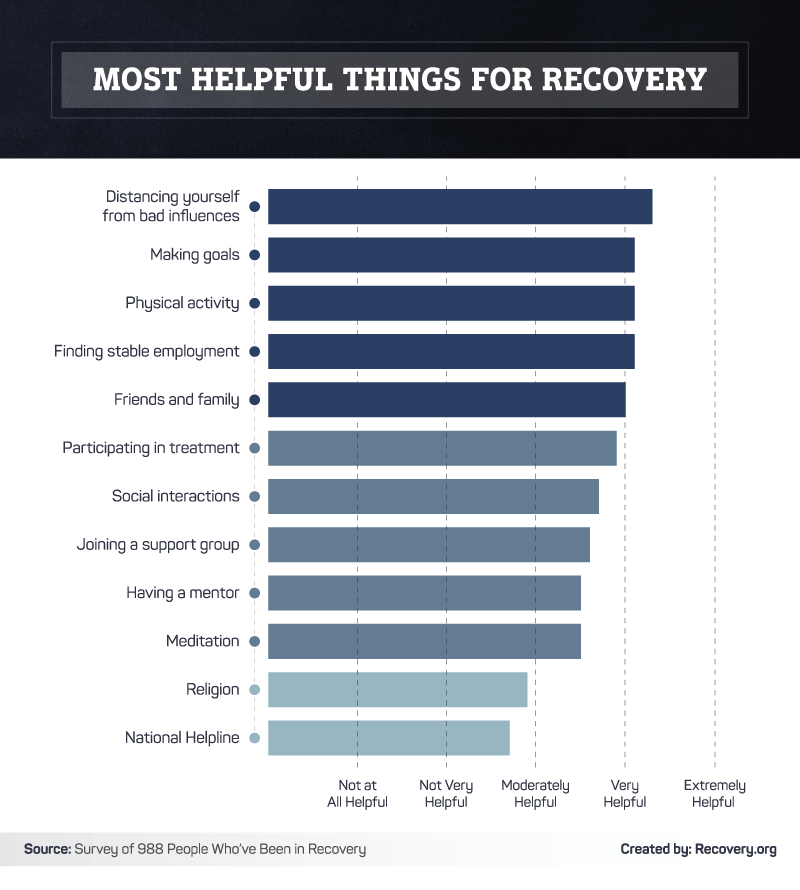
Effective support systems are crucial for recovery, offering a network of encouragement, practical assistance, and emotional sustenance. They provide a sense of belonging and validation, mitigating feelings of isolation and promoting a sense of hope. Support systems can significantly impact the recovery process by offering practical support such as transportation, childcare, and financial assistance. They also act as crucial emotional anchors, providing comfort, empathy, and validation during times of stress and uncertainty. Research consistently demonstrates a positive correlation between strong support networks and improved recovery outcomes.
Emotional Support and Recovery
The Power of Connection
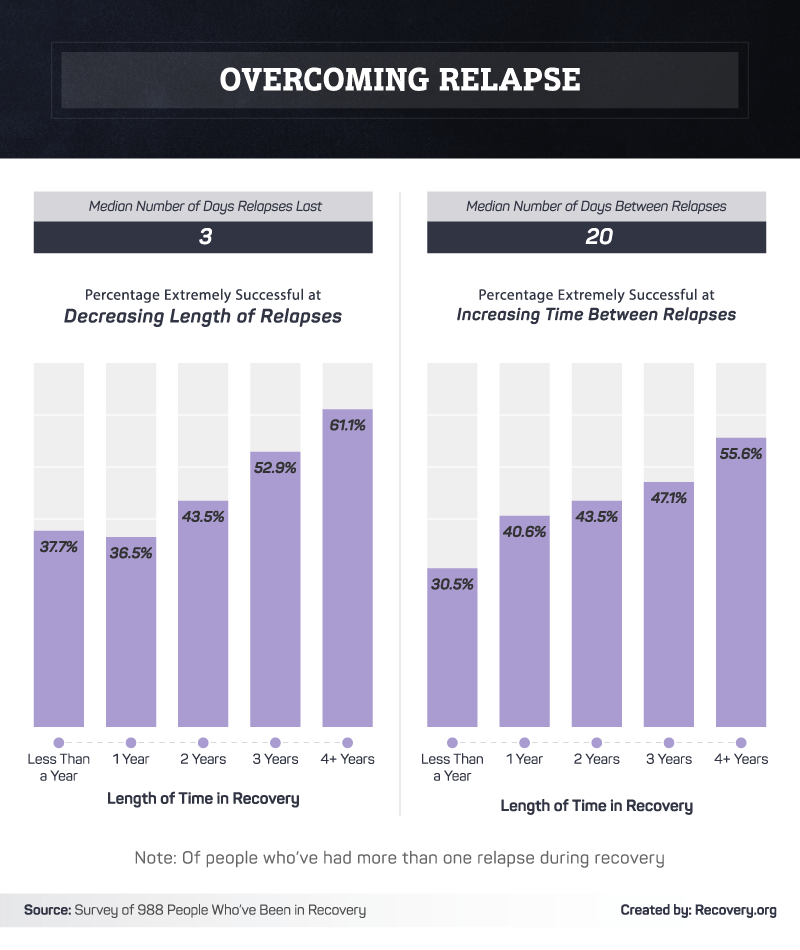
Emotional support is arguably the most vital component of a robust support system. This involves empathy, active listening, and validation of feelings. Individuals in recovery often face a range of emotions, from anxiety to grief, and a supportive network can help them navigate these challenges. Consider the case of a recovering addict who grapples with intense cravings and feelings of isolation. A trusted friend or family member can offer unconditional support, helping to manage cravings and maintain motivation. A study from the National Institute on Drug Abuse revealed that individuals with strong social support networks were significantly less likely to relapse.
Practical Support and Practical Assistance
Support systems often provide practical assistance that extends beyond emotional support. This encompasses a range of tasks, from transportation to childcare, to financial aid. Practical assistance alleviates burdens and allows individuals to focus on their recovery journey. For instance, a caregiver providing transport to therapy appointments, errands, and general support enables the recovering individual to prioritize their well-being, leading to enhanced recovery.
Encouragement and Motivation
Support systems play a vital role in maintaining motivation. Friends, family, and therapists often act as cheerleaders, offering encouragement and praise. These positive reinforcements are critical in motivating individuals to continue their recovery journey. For instance, a support group for individuals recovering from eating disorders may provide encouragement and a sense of community among members, offering validation for each other’s experiences. This shared experience fosters a sense of empowerment and provides a platform for mutual encouragement.
Related Post : The Social and Emotional Consequences of Substance Dependence
Social Support Networks and Recovery Success
The Importance of Community
Social support networks provide a sense of belonging, crucial for recovery. These networks can encompass friends, family, support groups, and community organizations. Support groups often offer a safe space for individuals to share their experiences, gain insights from others, and develop a sense of community. This sense of community fosters shared understanding and support, promoting recovery.
Navigating Challenges in Support Systems
Addressing Limitations and Conflicts
Sometimes, support systems can present challenges, such as conflicts or limitations. Addressing these challenges constructively is essential to maintaining the health of both the individual and the support network. Family dynamics or disagreements may create barriers, requiring communication and compromise. In these situations, professional guidance can facilitate effective communication and resolve conflicts constructively, thereby preserving the integrity of the support network.
Building a Strong Support System
Strategies for Seeking and Cultivating Support
Building a strong support system involves proactive steps to cultivate and nurture relationships. Active listening, empathy, and understanding are key components. Taking steps to build support networks include attending support groups, connecting with online communities, and fostering meaningful connections with friends and family.
How can support systems help recovery success?
Support systems are critical to recovery as they provide encouragement, practical assistance, and emotional validation. This helps individuals cope with challenges, maintain motivation, and foster a sense of belonging, all of which are essential components of successful recovery.
What are some strategies for building support networks?
Building support networks involves actively seeking connections with others. Join support groups, connect with online communities, nurture relationships with friends and family, and consider seeking professional guidance for navigating challenges within your support networks.
In conclusion, robust support systems are critical to recovery success rates. A comprehensive approach, encompassing emotional, practical, and social support, significantly enhances the likelihood of positive outcomes. Implementing these strategies empowers individuals and communities to navigate challenges and achieve lasting recovery. To learn more about specific support programs in your area, consult local healthcare providers and community resources. Consider exploring online support groups and forums for additional perspectives and encouragement.