Understanding the dietary impacts on your acne condition is essential for effectively managing this common skin concern. A diet rich in certain nutrients and low in others can significantly influence your skin’s health, reducing acne breakouts and promoting clear skin. This article delves into the connection between diet and acne, offering actionable insights and practical strategies for healthier skin through dietary changes. We’ll explore the connection between specific foods and acne, identify potential dietary triggers, and provide you with actionable strategies to make better food choices. We’ll cover the different aspects of diet and acne, from specific food groups to the role of overall nutritional balance.
The Link Between Diet and Acne
Understanding the Basics
A proper diet significantly impacts acne development. While acne isn’t solely caused by diet, certain dietary habits can either exacerbate or mitigate acne. Poor dietary choices can lead to an imbalance of essential nutrients, potentially contributing to inflammation and clogged pores. This, in turn, creates the perfect environment for bacteria to thrive, further exacerbating acne outbreaks. Conversely, a healthy diet rich in vitamins, minerals, and antioxidants can promote healthy skin and reduce acne risk. This article will examine various aspects of diet and skin health and provide actionable strategies to minimize acne.
Specific Food Groups and Their Impact
Related Post : Choosing the Right Acne Skincare Products? Avoiding Mistakes.
Processed Foods and Sugars
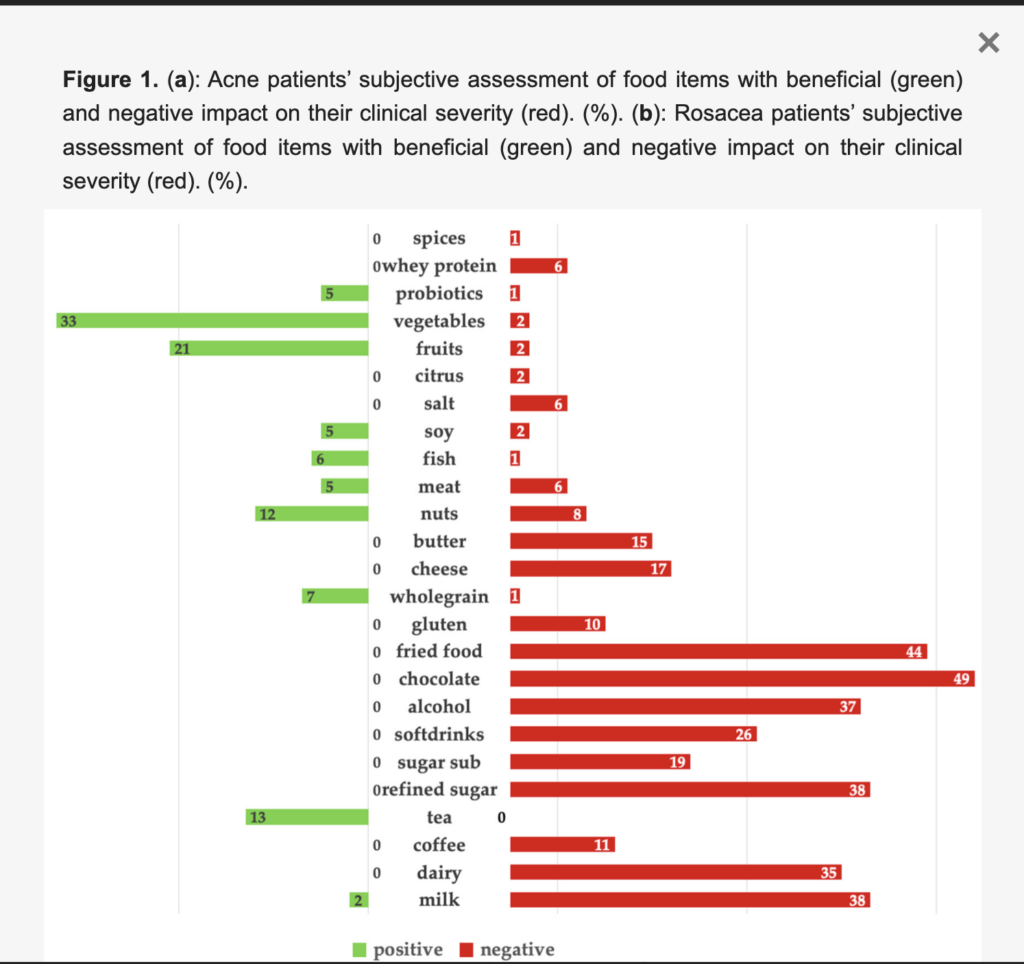
A diet heavy in processed foods and sugary drinks has been linked to increased acne. These foods often contain high glycemic index (GI) carbs that can spike blood sugar levels. Elevated insulin levels can then increase oil production in the skin, potentially leading to acne. Furthermore, processed foods lack essential nutrients, contributing to an overall nutritional imbalance. Studies have shown that limiting these types of foods can be crucial in reducing acne severity. We’ll look at specific examples of processed foods known to worsen acne later.
Nutrient Deficiencies and Acne
Vitamins and Minerals
A deficiency in certain vitamins and minerals can negatively impact skin health and contribute to acne breakouts. For instance, a lack of vitamin A can affect sebum regulation, leading to increased oil production. Similarly, insufficient zinc levels can disrupt skin cell turnover and increase inflammation. Consuming a varied diet rich in fruits, vegetables, lean proteins, and healthy fats can help ensure adequate intake of essential nutrients.
Dairy Products and Acne
The Dairy Connection
Some studies suggest a link between dairy consumption and acne. However, the exact mechanism is still under investigation. Dairy products contain hormones that may trigger inflammation in susceptible individuals. The effects can vary greatly between people and many individuals experience no such impact. For example, some people find that limiting dairy helps improve their skin while others find that it doesn’t affect their skin at all. Further research is needed to definitively determine the link.
Hydration and Skin Health
The Importance of Water
Adequate hydration is crucial for overall health and also supports healthy skin. Dehydration can lead to dry skin, contributing to irritation and potentially triggering breakouts. Maintaining proper hydration by drinking plenty of water throughout the day can help support healthy skin function.
Stress and Diet
The Connection
Stress can influence dietary choices. Stress eating, unhealthy choices, and less sleep and hydration can negatively impact acne. Stress is a multifaceted condition that impacts several bodily functions, including the digestive system, immune system, and hormonal balance, which also affects skin.
Conclusion
Frequently Asked Questions
References
In summary, understanding how diet affects acne is crucial for managing this common skin condition. By making informed dietary choices and addressing underlying nutritional imbalances, you can significantly improve your skin’s health and reduce acne outbreaks. Remember to consult with a dermatologist or nutritionist for personalized advice and to rule out other potential causes. A balanced diet, rich in fruits, vegetables, and lean protein, while limiting processed foods, can bring substantial improvements. Start making these changes today and see the difference!