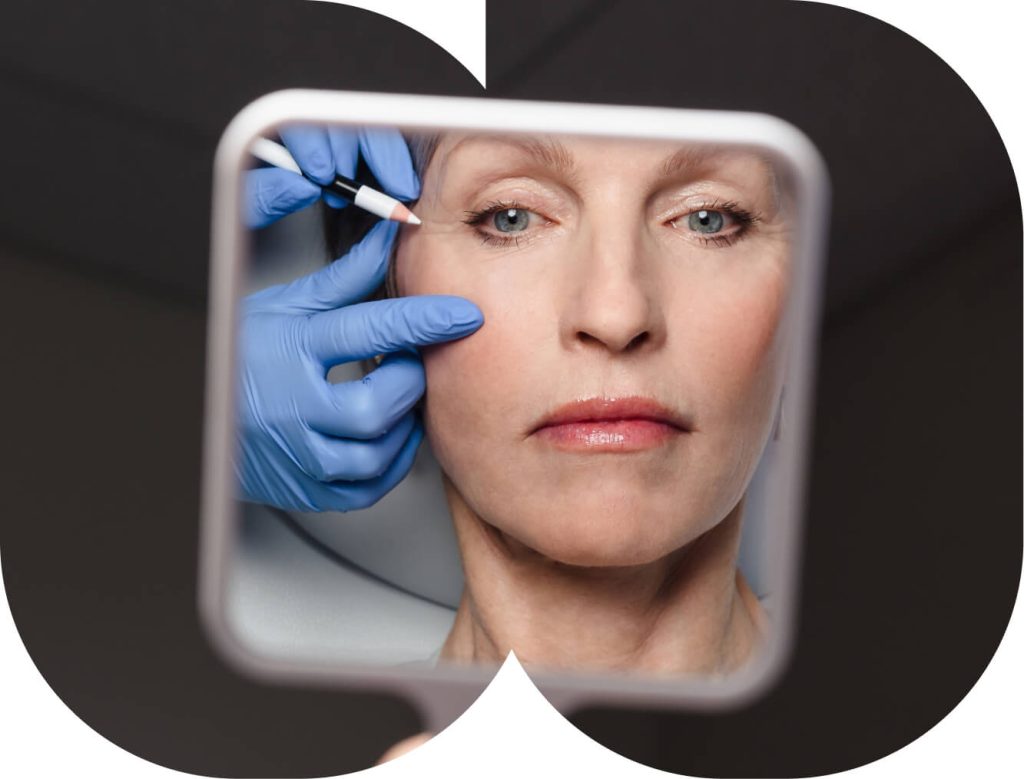

The emotional impact of aesthetic treatments is a complex and often overlooked aspect of the procedure. It’s not just about physical changes; it’s about how these treatments affect our emotional well-being, self-image, and overall happiness. This comprehensive guide delves into the emotional rollercoaster associated with undergoing aesthetic treatments, examining both the potential for joy and the possible anxieties that may arise. We will explore the psychological implications, patient expectations, and practical strategies for navigating the emotional journey. This article will discuss the emotional impact of aesthetic procedures from a variety of perspectives, considering the patient’s perspective as well as the professional’s. We will cover the potential emotional challenges and positive outcomes related to aesthetic procedures. The structure will include discussions about patient expectations, psychological considerations, and strategies for successful emotional management.
Understanding the Emotional Landscape of Aesthetic Treatments
Initial Expectations and Desired Outcomes
Before undergoing any aesthetic procedure, patients often have specific expectations and desired outcomes, ranging from improving self-confidence to addressing specific physical concerns. These expectations, sometimes unrealistic, can greatly influence the emotional experience of the treatment process. For instance, a patient seeking rhinoplasty may harbor hopes of enhanced social confidence, a perceived boost in career opportunities, or simply a better sense of self-worth. These expectations, whether realistic or not, form a foundation for their emotional response.
Early Stages of Treatment
Related Post : What to Know Before Considering Any Cosmetic Enhancement
The journey often begins with excitement and anticipation. Patients may feel a sense of empowerment as they embark on the journey towards their desired outcome. This initial enthusiasm may be driven by various factors such as social pressures, media influences, or the desire to feel better about one’s appearance. However, it’s essential to acknowledge the potential for unrealistic expectations and the importance of a realistic approach.
Pre-Procedure Anxiety
This period often involves significant anxiety as patients prepare for the procedure. This anxiety can stem from fears related to the procedure itself, the possible outcome, the recovery process, and the potential for unforeseen complications.
The Psychological Impact of Changes
Body Image and Self-Esteem
Aesthetic treatments can significantly impact body image and self-esteem. A positive outcome can lead to a boost in confidence and self-worth, while a negative result could trigger feelings of disappointment, dissatisfaction, and even depression. It’s crucial to emphasize the importance of realistic expectations and a focus on overall well-being rather than solely on appearance.
Social and Cultural Influences
Social and cultural norms play a significant role in shaping individual perceptions of beauty. Exposure to idealized beauty standards through media and social media can influence patient expectations and intensify anxieties surrounding the procedure. This can often be emotionally taxing and lead to unrealistic expectations, leading to emotional struggles post-treatment.
The Recovery Process
The recovery process itself can also be emotionally challenging. Physical discomfort, changes in appearance during recovery, and potential emotional distress need to be adequately addressed. Comprehensive support systems and open communication are crucial during this period to help patients cope with any emotional distress that may arise.
Managing the Emotional Rollercoaster
Open Communication and Realistic Expectations
Effective communication between patients and healthcare professionals is paramount. Patients should feel comfortable discussing their anxieties, expectations, and concerns openly. A thorough consultation can help set realistic expectations and address any concerns about potential emotional repercussions. Transparent discussions about potential risks and limitations, as well as alternative approaches, are crucial for a positive experience.
Importance of Support Systems
Strong support systems can play a vital role in navigating the emotional complexities of aesthetic treatments. Family, friends, and support groups can provide emotional reassurance and practical assistance during the pre-procedure, post-procedure, and recovery phases. Having a strong support network can significantly lessen the emotional burden of such procedures.
Professional Guidance
Consultations with a qualified therapist or counselor can help patients process pre-existing emotional issues. Working with a counselor can offer valuable tools to manage anxiety, self-esteem concerns, and body image issues before and after the procedure. This preparation can greatly influence the overall outcome.
Positive Emotional Outcomes
Enhanced Self-Confidence
In many cases, positive outcomes can result in a significant boost in self-confidence. Patients may feel more comfortable in their own skin and develop a stronger sense of self-worth, leading to improved self-image. The emotional payoff can be significant and contribute positively to their well-being.
Improved Body Image
Positive experiences can improve the perception of their own bodies, contributing to enhanced body image and emotional well-being. In cases where procedures align with their desired aesthetic goals, the positive changes can lead to significant boosts in their self-esteem.
Emotional Acceptance
For some patients, the process can lead to a deeper understanding of their emotional needs and a stronger sense of emotional acceptance. This process can facilitate a healthy relationship with their physical appearance, leading to lasting emotional benefits.
Addressing Potential Concerns
Psychological Considerations for Patients
Pre-existing mental health conditions can influence how patients respond to aesthetic procedures. It is vital for patients to have an open dialogue with their healthcare providers about any underlying conditions, concerns, and vulnerabilities that may contribute to emotional challenges before and after the procedure.
Post-Operative Support
Post-operative support is crucial for effective emotional management. Establishing a plan for continued emotional support throughout the recovery period is essential to mitigate any potential negative outcomes. Addressing potential challenges during this period is vital for promoting emotional stability. This period is crucial for managing stress and anxieties associated with recovery.
Setting Realistic Expectations
Encouraging realistic expectations before and during the procedure can help mitigate potential emotional distress. Open discussions and a shared understanding of the procedure’s potential and limitations help manage anxieties that may arise.
In conclusion, the emotional impact of aesthetic treatments is multifaceted and deeply personal. Understanding these emotional responses is crucial for both practitioners and patients. By acknowledging the potential for both positive and negative emotions, and by prioritizing open communication and realistic expectations, we can ensure that these procedures are undertaken with informed consent and a greater likelihood of positive outcomes. For personalized guidance and support, schedule a consultation with a qualified therapist or aesthetic specialist. This will help you navigate the emotional journey associated with aesthetic procedures.