
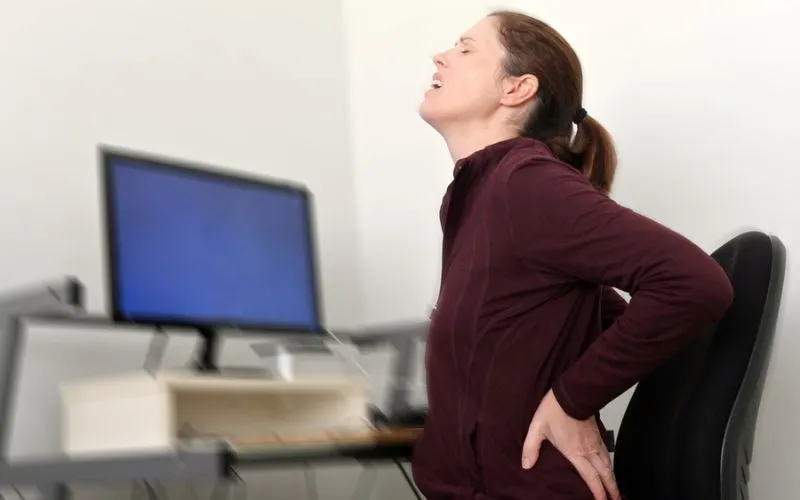
When back pain signals something more than just a muscle strain, it’s crucial to understand the potential underlying issues. A sudden sharp pain, persistent discomfort, or pain radiating to other parts of the body could indicate a more serious condition requiring medical attention. Back pain is a common ailment, often attributed to muscle strain or overuse. However, ignoring persistent or worsening symptoms can delay diagnosis and treatment, potentially leading to more severe problems. This article explores the various possibilities beyond simple muscle strain, offering insights into potential causes, symptoms, and the importance of seeking medical advice. We’ll delve into the different types of back pain, the symptoms to watch out for, and how to determine if your back pain needs further medical evaluation. We will also review common underlying conditions and discuss effective treatment options. This article has four sections to cover these critical issues: causes, symptoms, diagnosis, and treatment.
Understanding the Spectrum of Back Pain
Back pain is a widespread condition affecting individuals of all ages and backgrounds. While many instances of back pain are attributed to muscle strain, overuse, or poor posture, underlying conditions can sometimes contribute to persistent or worsening discomfort. This initial exploration will delve into the diverse causes of back pain, ranging from common muscle strain to more serious conditions requiring immediate medical attention.
Common Causes of Back Pain
Muscular strain from prolonged physical activity or sudden movements is a frequent culprit. Poor posture and repetitive stress can also lead to chronic back pain. Lifestyle factors such as obesity, lack of exercise, and improper lifting techniques play a significant role.
Identifying Underlying Conditions
However, back pain can also stem from more serious conditions, including herniated discs, spinal stenosis, osteoarthritis, and inflammatory conditions. These conditions often present with more persistent symptoms, and certain characteristics might indicate an underlying structural issue needing immediate attention.
Related Post : Daily Habits That Secretly Worsen Your Back Pain
Recognizing the Signs and Symptoms
Identifying the signs and symptoms of back pain is crucial in determining the underlying cause. While some back pain is easily treatable, others might signal a more serious condition that requires medical attention. Recognizing the nuances of different types of pain is important for determining whether it is just a muscle strain or a more severe issue.
Acute vs. Chronic Pain
Differentiating acute from chronic pain is essential. Acute pain typically arises suddenly, often following a specific injury or exertion, and usually resolves within a few weeks with appropriate care. Conversely, chronic pain persists for more than three months, often accompanied by different symptom profiles, suggesting a more complex underlying issue.
Radiating Pain
Pain that radiates to the legs or buttocks may indicate a herniated disc or nerve impingement, a significant red flag requiring urgent evaluation. The intensity, location, and any associated numbness or tingling should be meticulously documented and reported to a physician.
Diagnosing the Root Cause
A proper diagnosis is essential for effective treatment. A thorough evaluation by a healthcare professional is critical to determine the root cause of back pain and rule out more serious conditions.
Medical History and Physical Exam
A comprehensive medical history, including details about the onset, location, intensity, and characteristics of the pain, will help in the diagnosis. A physical examination, including neurological and orthopedic tests, assists in assessing the extent of the injury and any associated nerve involvement.
Imaging Techniques
Imaging techniques such as X-rays, MRIs, and CT scans might be necessary to visualize the spine and surrounding tissues to identify any structural abnormalities. The specific imaging procedures depend on the suspected cause of back pain.
Effective Treatment Strategies
The treatment approach for back pain depends on the underlying cause and severity of the condition. Early intervention and proper treatment are vital to avoid long-term complications.
Conservative Treatments
Initially, conservative treatments such as over-the-counter pain relievers, physical therapy, and exercise are often effective for muscle strain or other less severe causes. These treatments aim to reduce inflammation, improve flexibility, and strengthen the back muscles.
Interventional Procedures
In cases of herniated discs or spinal stenosis, more invasive procedures such as epidural injections or surgery may be necessary. These procedures are usually reserved for situations where conservative treatments have failed and when serious structural damage is suspected.
Managing Back Pain Long-Term
Maintaining a proactive approach to back health is crucial in the long term to prevent future issues.
Lifestyle Modifications
Adopting a healthy lifestyle, including regular exercise, maintaining a healthy weight, and practicing good posture, can significantly reduce the risk of back pain recurrence. Ergonomic adjustments in the workplace can also play a major role.
Patient Education
Patient education on proper lifting techniques, posture, and recognizing early signs of pain can empower individuals to take proactive measures.
Understanding the Risk Factors
Lifestyle Changes
Additional Tips
In conclusion, recognizing when back pain signals something more than just a muscle strain is crucial for timely intervention and proper treatment. Understanding the various causes, from herniated discs to spinal stenosis, allows for informed decisions and potentially avoids long-term complications. If you experience persistent or worsening back pain, consult a healthcare professional for a proper diagnosis and personalized care plan. Don’t hesitate to seek medical advice if you suspect a serious underlying issue; early diagnosis and treatment can significantly improve outcomes. By understanding the warning signs and actively seeking professional help, individuals can proactively manage their back pain and maintain a healthy lifestyle.